First Impressions
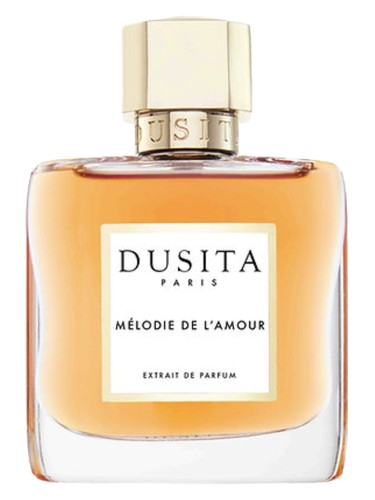
The first spray of Melodie de L''Amour announces itself with the kind of unapologetic femininity that doesn''t ask for permission. Tuberose and gardenia surge forward immediately, their creamy petals glazed with a golden honey that feels both indulgent and surprisingly natural. This isn''t the stark, green tuberose of a funeral arrangement, nor is it the candied confection that sometimes plagues white florals. Instead, Pissara Umavijani—the perfumer behind Parfums Dusita—has captured something more nuanced: the heady, almost narcotic quality of night-blooming flowers when humidity hangs thick in the air and sweetness borders on the animal.
There''s an intimacy to this opening that catches you off guard. The honey doesn''t merely sweeten; it adds a viscous, skin-like quality that makes the florals feel worn rather than sprayed. Within minutes, you understand why this fragrance carries "animalic" as one of its defining characteristics at 22%—there''s a warmth here that suggests skin and desire, not just petals in a vase.
The Scent Profile
The heart of Melodie de L''Amour reveals the composition''s true sophistication. Indian jasmine weaves through the tuberose-gardenia foundation, adding a slightly indolic richness that deepens the white floral character without tipping into the overtly sexual. Lily-of-the-valley provides a necessary counterpoint—a thread of green freshness that keeps the composition from suffocating under its own opulence.
The inclusion of broom (genêt) is particularly inspired here, contributing a hay-like, subtly honeyed green note that feels like sunshine filtering through leaves. It''s this accord that likely accounts for the 15% green classification, a surprisingly prominent element in what could have been a straightforward white floral bomb. And then there''s peach—not the syrupy canned variety, but the fuzzy, slightly tart skin and flesh that adds a fruity softness, tempering the floral intensity with something more approachable.
As Melodie de L''Amour settles into its base, the composition takes a quieter turn. Musk and cedar provide a woody, skin-like foundation that feels deliberately understated after the florals'' grand performance. The cedar isn''t a bold, pencil-shaving cedar; instead, it offers a soft, almost suede-like texture. The musk—likely contributing to that 22% animalic accord—adds a warmth that makes the entire composition feel lived-in, like a silk slip worn close to the body.
This is where the fragrance proves its staying power, both literally and conceptually. Rather than collapsing into a generic white floral drydown, it maintains its personality for hours, the florals slowly fading to reveal that honeyed, musky base that clings to pulse points with quiet insistence.
Character & Occasion
The community data tells a clear story: Melodie de L''Amour is quintessentially a spring fragrance (100% seasonal association), though it performs admirably into summer (78%) and remains wearable through fall (57%). Winter, at 28%, is its weakest season—unsurprising given its fresh white floral heart and relative lack of heavy amber or spice.
The day-to-night ratio (93% day, 53% night) reveals the fragrance''s versatility. This is primarily a daytime scent, luminous and radiant enough for warm afternoons in gardens or sun-drenched brunches. Yet that 53% night rating shouldn''t be dismissed—the animalic undertones and honey-musk base give it enough depth for evening wear, particularly in warmer weather when heavier orientals feel oppressive.
Who is this for? The woman who appreciates white florals but finds many iterations too sharp or too sweet. Someone who wants presence without aggression, femininity without frills. At its heart, this is a fragrance for those who understand that tuberose isn''t a single note but a spectrum—and Umavijani has captured one of its most wearable expressions.
Community Verdict
With 842 votes landing at a solid 4 out of 5 stars, Melodie de L''Amour has clearly resonated with its audience. This isn''t a niche obscurity with a handful of devotees; it''s a fragrance that has earned genuine community respect. That rating suggests broad appeal tempered with some reservations—likely from those who find tuberose inherently challenging or who want more projection and longevity than this composition offers.
The substantial vote count indicates staying power beyond initial hype. Released in 2016, this fragrance has had years to find its audience, and that 4-star rating reflects genuine consensus rather than launch excitement. It''s neither universally adored nor dismissed—it occupies that interesting middle ground where quality is recognized but personal preference determines devotion.
How It Compares
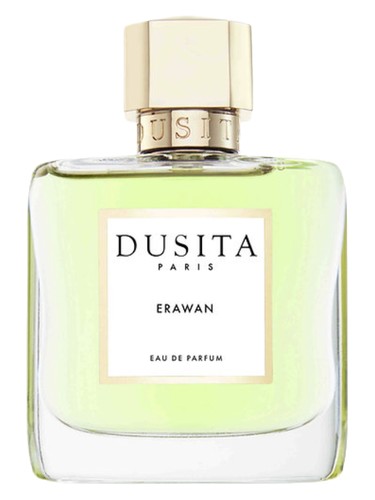
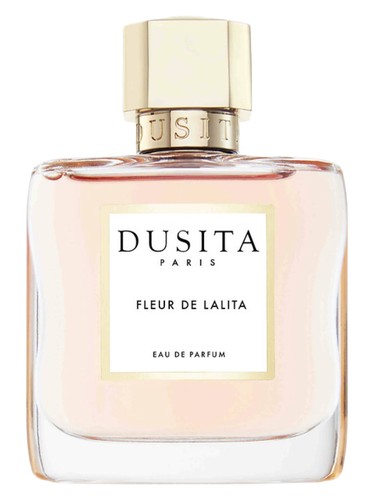
Positioned alongside Carnal Flower by Frederic Malle and within the broader Parfums Dusita lineup (Fleur de Lalita, Erawan), Melodie de L''Amour carves out its own territory. Where Carnal Flower goes bold and green-animalic, Melodie opts for honeyed approachability. It shares the animalic tendencies of Tom Ford''s Black Orchid and the sophisticated darkness of Guerlain''s Angélique Noire, yet remains fundamentally lighter, more translucent.
Within Dusita''s own collection, this sits as perhaps the most overtly romantic and accessible. It doesn''t demand the commitment that some niche tuberoses require; instead, it invites you in with sweetness before revealing its more complex character.
The Bottom Line
Melodie de L''Amour succeeds precisely because it doesn''t try to reinvent tuberose—it simply renders it in Pissara Umavijani''s distinctly refined voice. The honeyed opening, the carefully balanced heart, and that skin-close musky base create a composition that feels both classically beautiful and distinctly modern in its restraint.
At 4 out of 5 stars from over 800 voters, this is a fragrance with proven appeal. It won''t convert tuberose haters, but for those who appreciate white florals with depth and nuance, it''s worth serious consideration. The price point for niche perfumery is justified by the quality of materials and the sophistication of the composition, though projection-seekers might wish for more presence.
Try this if you''ve loved Carnal Flower but wanted something sweeter, or if you''re curious about white florals that balance opulence with wearability. Melodie de L''Amour isn''t just a love song—it''s a conversation about how tuberose can seduce without overwhelming, how honey can enhance without cloying, and how a truly well-crafted white floral remains eternally relevant.
Reseña editorial generada por IA