First Impressions
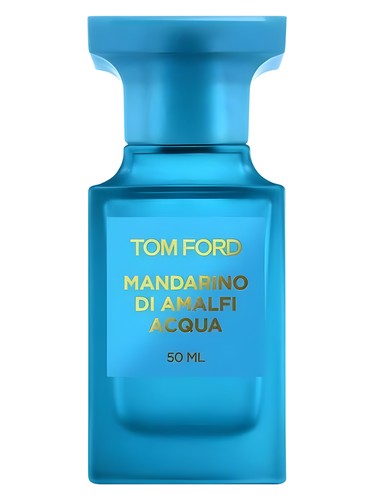
The first spray of Mandarino di Amalfi Acqua is like plunging into a sun-drenched citrus grove overlooking the Tyrrhenian Sea. There's an immediate burst of juicy mandarin orange, so vivid and realistic that you can almost feel the spray of essential oils as your fingers peel into the fruit's skin. Grapefruit adds a slightly bitter, sparkling edge, while mint provides an unexpected cooling sensation—like a Mediterranean breeze cutting through the warmth. This is citrus at full volume, unapologetically bright and utterly summer-soaked.
The bergamot weaves through with its characteristic tea-like quality, while tarragon and black currant contribute subtle anise and berry nuances that keep the opening from becoming a one-note citrus chorus. It's a refreshing assault on the senses, the kind of fragrance that makes you understand why Tom Ford dedicated an entire collection to Italian coastal destinations. Within seconds, you're transported—not metaphorically, but viscerally—to the terraced lemon groves of Amalfi, where the air itself seems to shimmer with aromatic oils.
The Scent Profile
As the initial citrus explosion begins to settle, Mandarino di Amalfi Acqua reveals its aromatic heart—an unexpectedly complex blend that elevates this beyond simple cologne territory. Orange blossom emerges as a soft, honeyed counterpoint to the zesty top notes, while lemon leaf oil maintains that fresh, green citrus through-line. The herbal contingent arrives in full force: basil adds a slightly peppery sweetness, thyme brings an earthy, Mediterranean warmth, and clary sage contributes a clean, almost wine-like aromatic quality.
The heart is where this fragrance earns its 83% aromatic accord rating. Jasmine and wildflowers soften the composition with delicate white floral touches, while shiso—a Japanese herb rarely seen in Western perfumery—adds an intriguing minty-basil dimension. Black pepper and coriander provide the fresh spicy accent (51% accord), creating tiny sparks of warmth that prevent the fragrance from becoming too cool or one-dimensional.
The base notes—musk, vetiver, civet, labdanum, and amber—are present more as a whisper than a statement. The vetiver adds a subtle grassy earthiness, while musk provides a clean skin-like foundation. The amber and labdanum theoretically offer warmth and depth, but in practice, most wearers won't experience much of this phase. The fragrance's architecture is decidedly top-heavy, with the majority of its beauty concentrated in those first precious hours.
Character & Occasion
This is a summer fragrance through and through—the data shows 100% summer suitability, with spring coming in at a distant 57%. Fall and winter barely register (12% and 6% respectively), and for good reason. Mandarino di Amalfi Acqua is built for heat, designed to cut through humidity with its citrus-aromatic sharpness. It's the olfactory equivalent of a crisp white linen shirt, a glass of limoncello, or a plunge into cool water after hours in the sun.
The overwhelming day-wear preference (83% versus just 16% for evening) tells you everything about this fragrance's personality. It's casual, approachable, and decidedly daytime in character. This is a fragrance for weekend brunches, beach clubs, office environments, or any situation where you want to smell fresh and bright without overwhelming. The feminine classification speaks more to its softness and approachability than any strict gender boundaries—the citrus-aromatic profile is genuinely universal.
Community Verdict
The fragrance community's relationship with Mandarino di Amalfi Acqua is decidedly complicated, reflected in a sentiment score of 6.5 out of 10 based on 30 opinions. The praise is enthusiastic but specific: citrus lovers genuinely adore the strong, juicy mandarin note, with some considering it a favorite citrus fragrance. The pleasant sweet character earns appreciation, and many enjoy the scent itself immensely.
But—and this is a significant qualification—the longevity issues dominate nearly every discussion. The consensus is damning: poor performance, quick fading, and the need for frequent reapplication. Multiple reviewers note that both EDP and EDT versions suffer from short wear time, which at Tom Ford's price point feels particularly frustrating. Some dismiss it as generic, suggesting that the formula doesn't offer enough to justify the luxury markup when drugstore citrus colognes perform similarly (or identically poorly) in terms of lasting power.
The community's practical advice centers on managing expectations: if you love citrus and don't mind reapplying, this delivers a beautiful scent experience. If longevity matters to you, or if you're seeking something unique, look elsewhere.
How It Compares
Within Tom Ford's own lineup, Mandarino di Amalfi Acqua sits alongside Neroli Portofino as the brand's Italian coastal citrus offerings. The Acqua version is lighter and more aromatic than the original Mandarino di Amalfi, leaning further into freshness at the expense of depth. Grey Vetiver offers a more sophisticated, longer-lasting alternative for those seeking something with better performance.
The comparisons to Terre d'Hermès and Creed's Virgin Island Water position this fragrance firmly in the luxury citrus-aromatic category—a crowded field where longevity often separates the exceptional from the merely pleasant. At 4.16 out of 5 stars from 974 votes, the rating suggests broad appreciation tempered by real limitations.
The Bottom Line
Mandarino di Amalfi Acqua is a beautiful fragrance with a fatal flaw. The scent itself—that luminous, juicy citrus opening transitioning into an aromatic herbal heart—is genuinely lovely. It captures something essential about summer, about freshness, about the particular quality of light on the Italian coast. For those moments when it's present on your skin, it delivers exactly what it promises.
But fragrance exists in time, and this one doesn't give you enough of it. At luxury pricing, the poor longevity isn't just disappointing—it's a dealbreaker for many. This is a fragrance for those who genuinely love the ritual of reapplication, who keep their bottles accessible throughout the day, or who prioritize those first few hours of perfection over all-day performance. Citrus devotees who understand the category's inherent limitations will find much to love here. Everyone else should sample extensively before committing, ideally on a warm day when you can properly evaluate both the scent and your tolerance for its fleeting nature.
Reseña editorial generada por IA