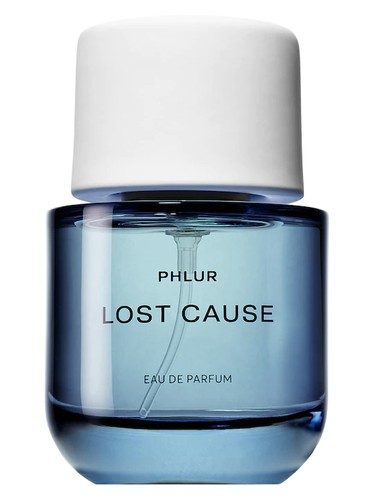
First Impressions
The first spray of Lost Cause feels like pushing through a garden gate on a dewy spring morning—but there''s something else here, something harder to place. The initial burst is unapologetically green, almost aggressively so, with crisp leaves and bright bergamot cutting through the air. Rhubarb adds a tart, slightly vegetal quality that keeps the opening from veering into typical fruity-floral territory. But lurking beneath all that verdant freshness is an unusual character that community members describe as "vinyl-musk"—a synthetic, almost plastic-like note that either fascinates or frustrates, depending on who''s wearing it.
This is not your mother''s fresh floral. Phlur, the indie brand that''s been quietly building a loyal following since its relaunch, clearly wasn''t interested in playing it safe with Lost Cause. The name itself suggests something irretrievable, perhaps a nod to the polarizing nature of its composition.
The Scent Profile
Lost Cause is dominated by its green accord—the data shows it maxing out at 100%—and you feel it immediately. Those green leaves aren''t a subtle backdrop; they''re the main event, supported by the citrusy brightness of bergamot and an unexpected rhubarb note that reads more vegetable than dessert. The fruity elements register at 41%, enough to soften the edges without compromising the fragrance''s distinctly verdant character.
As the opening settles, the heart reveals itself with a quartet of white florals that should feel conventional but somehow don''t. Freesia, lily-of-the-valley, and jasmine create a clean, almost soapy floral bouquet, punctuated by that curious "dew drop" note—presumably the aquatic element that reinforces the morning-garden imagery. The floral accord sits at 65%, substantial but never overpowering, while white floral specifically comes in at 48%. This is where the fragrance either wins you over or loses you entirely. The florals feel well-blended, soft rather than strident, but that unusual musky-vinyl undertone persists, creating a discord that some find fascinating and others find off-putting.
The base is where Lost Cause makes its most conventional choices. Ambergris provides a subtle marine salinity and warmth, while vanilla orchid offers just enough sweetness to round out the composition. These base notes never dominate—Lost Cause remains resolutely fresh from opening to dry down—but they provide enough depth to prevent the fragrance from feeling thin or purely aquatic.
Character & Occasion
The data here tells a clear story: Lost Cause is a spring and summer fragrance, rating 100% and 79% respectively for those seasons. It''s a daytime scent through and through, with a 97% day rating versus just 19% for night. This isn''t a fragrance for dinner dates or evening events; it''s for Saturday farmers market runs, outdoor brunch, or a fresh start to your workday.
The green-floral profile makes it naturally suited for warmer weather, though 28% of wearers report reaching for it in fall. Winter, at 20%, is clearly Lost Cause''s weakest season—that aggressive freshness would feel jarring against heavy coats and gray skies.
Who is this for? Based on its feminine classification and crowd-pleasing reputation (despite its quirks), Lost Cause targets someone looking for a fresh signature that won''t read as generic. It''s for the person who finds conventional florals too sweet, aquatics too boring, and wants something that sparks conversation—even if that conversation is "What is that note I''m smelling?"
Community Verdict
The Reddit fragrance community gives Lost Cause a mixed reception, landing at a 6.5/10 sentiment score based on eleven opinions. This middling enthusiasm is telling. Community members praise its "soft, crowd-pleasing scent profile" and note that it''s well-blended, making it a "good blind buy option" for those exploring indie fragrances. That "unique musky vinyl note that doesn''t smell cheap" earns specific mention—an unusual compliment that speaks to Phlur''s success in creating something distinctive, even if not universally loved.
The cons are equally revealing. Lost Cause suffers from "limited discussion in the community" and exists in that challenging space occupied by "niche indie brands with less mainstream recognition." It''s "not extensively reviewed or compared to conventional fragrances," which means potential buyers have fewer reference points. The fragrance hasn''t generated the passionate advocacy that turns niche scents into cult favorites, nor has it sparked the kind of debate that creates buzz.
The overall rating of 3.62 out of 5, based on 406 votes, confirms this lukewarm reception. It''s solidly middle-of-the-road—not poorly made, not disappointing, but not inspiring fierce loyalty either.
How It Compares
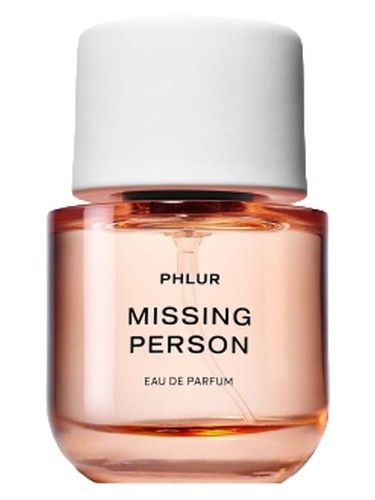
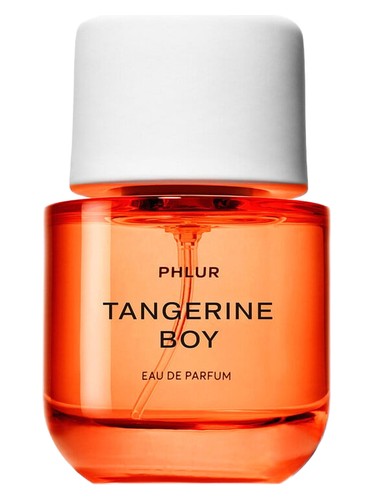
Phlur positions Lost Cause alongside its own lineup, with similar fragrances including Tangerine Boy, Phloria, Apricot Privee, and Missing Person. The inclusion of Viktor&Rolf''s Flowerbomb in the comparison set is interesting—Flowerbomb is a sweet floral powerhouse, while Lost Cause deliberately eschews that kind of richness. The comparison likely stems from both being florals marketed to a feminine audience, but they occupy very different territories within that category.
Within Phlur''s own range, Lost Cause appears to be the greenest, most unconventional option, appealing to those who found the brand''s other offerings either too sweet or too straightforward.
The Bottom Line
Lost Cause is exactly what Phlur intended: a well-executed green floral with an unusual twist that won''t be for everyone. That 3.62 rating and mixed community sentiment reflect not a failure of execution but a deliberate creative choice that divides opinion. The vinyl-musk note that some find intriguing others will find alienating.
Should you try it? If you''re exploring indie fragrances and want something fresh that doesn''t smell like every other citrus-aquatic on the market, absolutely. If you prefer your florals sweet, rich, and conventionally pretty, skip it. At its price point—typical for Phlur''s range—it represents decent value as a daytime spring and summer fragrance, particularly if that unusual character appeals to you.
Lost Cause isn''t a lost cause at all. It''s a competent, intentionally quirky fragrance that knows exactly what it wants to be. Whether that aligns with what you want to wear is the only question that matters.
Reseña editorial generada por IA