First Impressions
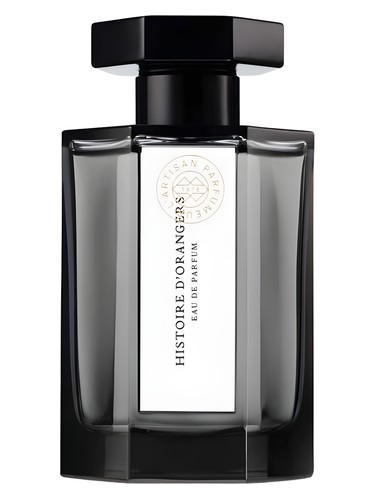
The first spray of Histoire d'Orangers transports you to a sun-drenched Mediterranean orchard at daybreak. There's an immediate brightness—not the sharp, acidic bite of citrus fruit, but something more nuanced and gentle. The neroli arrives like liquid sunshine, tempered by the unexpected coolness of white tea. It's a contradiction that works beautifully: warm yet fresh, radiant yet restrained. This opening feels less like a perfume and more like stepping into a memory you didn't know you had—perhaps of a garden you visited once, or should have.
L'Artisan Parfumeur, a house known for their artisanal approach to fragrance storytelling, has crafted something that feels both classical and contemporary. The 2017 release pays homage to traditional orange blossom compositions while introducing a modern transparency that keeps it from feeling heavy or dated.
The Scent Profile
The journey begins with neroli and white tea creating an opening that's simultaneously sparkling and contemplative. The neroli—extracted from bitter orange blossoms—brings its characteristic honeyed brightness, but the white tea acts as a diffuser, adding a soft, almost aqueous quality that prevents any cloying sweetness. This pairing establishes the fragrance's essential character: luminous without being overwhelming, floral without being overtly romantic.
As Histoire d'Orangers settles into its heart, the orange blossom reveals itself more fully, joined by musk. Here's where the composition shows its sophistication. Rather than presenting orange blossom in all its indolic, heady glory (as you might find in more bombastic white florals), this interpretation keeps things surprisingly clean. The musk weaves through the petals, adding body and skin-like warmth without weighing down the ethereal quality established in the opening. It's orange blossom for those who appreciate the flower's beauty but might be wary of its potential to dominate.
The base brings ambroxan and tonka bean into play—modern anchors for a traditional theme. The ambroxan contributes that signature fuzzy warmth and subtle marine quality that's become increasingly popular in contemporary compositions. Tonka bean adds just enough sweetness and creaminess to give the fragrance staying power without transforming it into something gourmand. The overall effect remains firmly in white floral territory, supported by citrus and musky elements that read as fresh rather than heavy.
Character & Occasion
This is unmistakably a warm-weather fragrance, with the community data confirming what the nose already knows: summer and spring are its natural habitat. The combination of white florals and neroli seems purpose-built for temperatures above 70 degrees, when you want presence without suffocation. Fall wears it moderately well, but winter seems a mismatch for its sun-soaked character.
The day-to-night ratio tells an equally clear story. With 90% of wearers choosing it for daytime, Histoire d'Orangers is your companion for morning meetings, weekend brunches, and afternoon strolls through botanical gardens. It has enough refinement for professional settings while maintaining the ease required for casual wear. Evening wear isn't impossible—18% still find it suitable—but this isn't the fragrance you reach for when you want to make a dramatic entrance at a dinner party.
While marketed as feminine, the composition's clean muskiness and restrained sweetness could easily be worn by anyone drawn to transparent white florals. The green undertones (29% of the accord profile) add a crispness that keeps it from reading as traditionally feminine.
Community Verdict
With a rating of 4.19 out of 5 from 494 votes, Histoire d'Orangers has earned solid appreciation from those who've experienced it. This isn't a polarizing fragrance—the rating suggests consistent satisfaction rather than wild devotion from a small camp. It's worth noting that this level of approval indicates a well-crafted, wearable composition that delivers on its promises without necessarily breaking new ground. The vote count, while respectable, suggests this remains somewhat under the radar compared to mainstream blockbusters—which may be precisely part of its appeal for those seeking something refined but not ubiquitous.
How It Compares
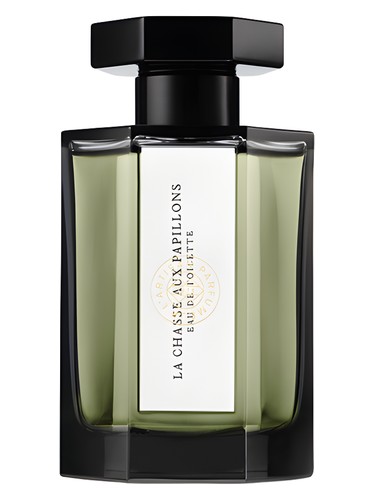
Histoire d'Orangers exists in excellent company. Its spiritual siblings include Diptyque's Eau des Sens, which shares that sophisticated citrus-floral balance, and Tom Ford's Neroli Portofino, though the latter skews more cologne-like and less musky. Within L'Artisan Parfumeur's own line, La Chasse aux Papillons offers a similar approach to white florals with different supporting players.
The comparison to Carnal Flower by Frederic Malle is interesting—both tackle white florals, but where Carnal Flower amplifies tuberose to almost shocking intensity, Histoire d'Orangers takes the gentler path with orange blossom. Hermès' Un Jardin Sur Le Nil shares the green, watery freshness but ventures more into vegetation than pure florals.
What sets Histoire d'Orangers apart is its particular balance: floral enough to satisfy white flower devotees, fresh enough to wear casually, and musky enough to have real skin chemistry.
The Bottom Line
Histoire d'Orangers is a fragrance that understands restraint. In an market often dominated by either aggressive projection or barely-there freshness, it occupies a sweet spot—present but not demanding, beautiful but not precious. The 4.19 rating reflects what it is: a very good fragrance that executes its vision with clarity and grace.
This deserves consideration from anyone building a warm-weather wardrobe, particularly those who've been disappointed by white florals that turn heavy or citrus scents that disappear within an hour. It's also an excellent choice for those transitioning from fresher compositions into more complex florals—sophisticated enough to feel grown-up, approachable enough not to intimidate.
The concentration listing remains unknown, which makes it difficult to assess value proposition directly, but L'Artisan Parfumeur generally offers fair pricing for their artisanal approach. If you're drawn to orange blossom, appreciate modern musky fragrances, or simply want something that captures the essence of a Mediterranean spring morning, Histoire d'Orangers deserves a place on your testing list.
Reseña editorial generada por IA