First Impressions
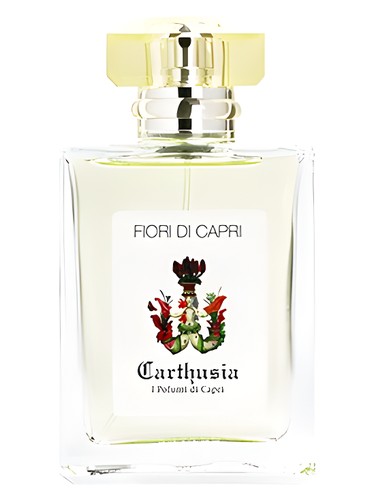
The first spray of Fiori di Capri feels like stepping onto a sun-warmed terrace overlooking the Tyrrhenian Sea, where white flowers grow wild and unrestrained. This is not the polite, powder-soft white floral of modern compositions—it''s something altogether more voluptuous and unapologetic. Ylang-ylang and tuberose announce themselves immediately, flanked by orange blossom and gardenia in a heady rush that recalls an era when perfumes weren''t afraid to make an entrance. The citrus notes—bergamot, orange, and mandarin—provide just enough brightness to keep the initial bouquet from becoming overwhelming, though make no mistake: subtlety is not what Carthusia had in mind when they created this in 1948.
There''s a Turkish rose woven through the opening that adds a slightly spicy, honeyed quality, while cyclamen contributes an unexpected green freshness. This is white floral perfumery at its most maximal, a philosophy that feels both vintage and surprisingly contemporary in an age when many wearers are rediscovering the pleasure of unabashed florals.
The Scent Profile
As Fiori di Capri settles into its heart, the composition reveals unexpected complexity beneath that white floral canopy. Carnation and cloves introduce a warm spiciness that gives the scent backbone and prevents it from floating away into pure sweetness. Hyacinth adds a soapy-clean floralcy, while white honey enriches the overall texture with a golden, viscous quality that feels almost edible.
What makes this heart phase particularly intriguing is the presence of wild strawberry, plum, and pineapple—fruit notes that could easily veer into dessert territory but instead lend a jammy, slightly fermented quality that enhances the indolic nature of the white flowers. Iris and violet leaf provide a powdery, slightly earthy counterpoint, while nutmeg and incense add depth and a hint of the ecclesiastical, reminding you that this fragrance comes from a monastic perfume tradition.
The base is where Fiori di Capri reveals its vintage DNA most clearly. Oakmoss and labdanum create a classic chypre-adjacent foundation that feels increasingly rare in contemporary perfumery. Sandalwood and cedar provide creamy, woody support, while amber warms everything from beneath. Patchouli adds earthiness, and white musk gives the dry-down a soft-focus quality that allows the composition to fade gracefully rather than disappear abruptly. This isn''t a particularly heavy base by vintage standards, but it provides enough structure to give the white florals real staying power.
Character & Occasion
The community consensus is remarkably clear: this is a spring fragrance first and foremost, with 97% of wearers finding it ideal for that season. It makes perfect sense—Fiori di Capri captures the abundance of Mediterranean spring when flowers bloom with abandon. Summer follows at 65%, though in truly hot weather this might prove too rich for some. Fall registers at 53%, suggesting it can transition into cooler months if you''re drawn to its warmth, but winter''s 27% rating indicates this isn''t your cold-weather comfort scent.
The day/night split is equally decisive: 100% day versus just 33% night. This is a fragrance that wants sunlight, fresh air, and outdoor settings. It''s for garden parties, seaside lunches, afternoon shopping in coastal towns. Evening wear is possible, but you''d want it to be a warm summer night rather than a formal winter gala.
Who is this for? Someone who appreciates classic floral compositions and isn''t afraid of a fragrance with presence. This isn''t for wallflowers or minimalists. It''s for the woman who remembers—or wishes she''d known—an era when wearing perfume was an intentional act of beauty and self-expression.
Community Verdict
With 479 votes averaging 4 out of 5 stars, Fiori di Capri has earned solid respect from those who''ve experienced it. This isn''t a niche darling with cult obsession, nor is it dismissed as outdated. Instead, it occupies that valuable middle ground: a quality fragrance that delivers what it promises without trying to be everything to everyone. The healthy vote count suggests this has found a steady audience beyond Italy''s borders, and the strong rating indicates most who try it appreciate its uncompromising approach to white florals.
How It Compares
The comparison to fragrances like Hermès 24 Faubourg, Lancôme Poème, and Dior Poison places Fiori di Capri in illustrious company—these are the grand dames of perfumery, opulent compositions from houses that understood how to create fragrances with architecture and drama. Like Givenchy Organza and Chanel Coco Eau de Parfum, it belongs to a tradition of unapologetically feminine perfumes built on quality materials and complex structures.
What distinguishes Fiori di Capri is its specifically Mediterranean character and the unique perspective of the Carthusia house, whose perfumes draw from Capri''s botanical heritage and monastic perfume-making traditions. Where Poison goes gothic and Coco goes sophisticated, Fiori di Capri remains sun-soaked and island-specific.
The Bottom Line
Fiori di Capri is not trying to reinvent white floral perfumery—it''s reminding you why the category became beloved in the first place. At 4 out of 5 stars with nearly 500 votes, it''s clearly resonating with those who seek it out. This is a fragrance that rewards those willing to embrace something with character and presence, particularly in spring and summer when its white floral exuberance feels most at home.
Should you try it? If you''re drawn to any of its comparison fragrances or if you''ve been searching for a white floral with vintage soul and Mediterranean warmth, absolutely. It''s not for everyone—nothing this distinctive ever is—but for the right wearer, Fiori di Capri offers a direct connection to an island''s floral heritage and a perfume tradition that values beauty over trends.
Reseña editorial generada por IA