First Impressions
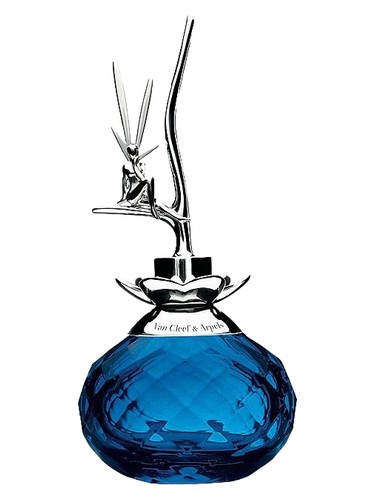
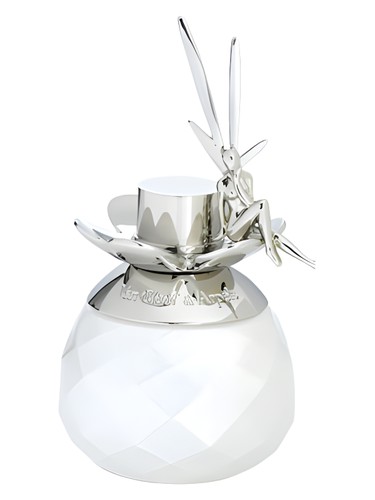
The first spray of Féerie Rose des Neiges feels like discovering a rose garden after a light snowfall—delicate yet resilient, sweet but never cloying. Van Cleef & Arpels opens this 2011 creation with an unexpected pairing: the translucent sweetness of lychee meeting the crisp bite of pink pepper. It's a contradiction that works beautifully, like silk chiffon lined with cashmere. The rose announces itself almost immediately, but it arrives cushioned in this fruity-spicy embrace, making it feel less like a traditional rose perfume and more like an interpretation—a memory of roses rather than roses themselves.
This isn't the jammy, indolic rose of vintage perfumery, nor is it the green, dewy rose of modern minimalism. Instead, Féerie Rose des Neiges presents something softer, more ethereal. The name translates to "Fairy Rose of the Snows," and that fairy-tale quality permeates every moment of wearing it. There's a lightness here, an airiness that belies the woody base waiting beneath.
The Scent Profile
The opening act belongs to lychee—that peculiar fruit that smells both floral and sweet, tropical yet somehow delicate. It dominates those first fifteen minutes, its juice-laden sweetness tempered by pink pepper's subtle warmth. The pepper here isn't aggressive; it adds texture rather than heat, like a cashmere scarf with an interesting weave.
As the fragrance settles into its heart, rose takes center stage with magnolia as its supporting player. This is a soft, powdery rose—the kind that feels like petals pressed between pages rather than blooms fresh-cut from the garden. The magnolia adds creaminess and a subtle green quality that prevents the composition from becoming too sweet or one-dimensional. Together, these florals create a cloud of femininity that feels distinctly romantic without veering into overtly seductive territory.
The base notes arrive gradually, grounding all that brightness with a woody embrace. Virginia cedar provides structure—clean, pencil-shaving woodiness that feels precise and elegant. Sandalwood adds its characteristic creamy smoothness, while tonka bean bridges the gap between the floral heart and woody base with its vanilla-like warmth. This foundation isn't dramatic or particularly bold; instead, it serves as a soft landing for all that rose and fruit, ensuring the fragrance doesn't simply evaporate but rather settles into skin with gentle persistence.
The entire composition leans heavily into its dominant accords: rose at full strength, backed by that 73% floral character and 56% woodiness. The fruity element (42%) and tropical nuance (34%) keep it from feeling too serious, while a whisper of soft spice (31%) adds just enough complexity to maintain interest through the wear.
Character & Occasion
This is decisively a daytime fragrance—the data confirms what the scent profile suggests, with 100% day-wear votes versus just 34% for evening. Féerie Rose des Neiges thrives in natural light, whether you're wearing it to brunch, an afternoon meeting, or a spring garden party. It's the perfume equivalent of a sundress with ballet flats—polished but approachable, pretty without trying too hard.
Seasonally, spring claims the strongest association at 76%, and it's easy to understand why. This is a fragrance that captures that liminal moment when winter's chill finally breaks and the first flowers emerge. Winter follows at 58%, which speaks to that "rose des neiges" concept—the snow rose that blooms against all odds. Summer and fall trail at 40% each, suggesting this might feel a touch too delicate or sweet for the heat of high summer or the spice-craving depths of autumn.
The wearer profile skews young to middle-aged, someone who appreciates traditional femininity but wants it expressed with a modern lightness. This isn't for the iconoclast or the avant-garde dresser; it's for the woman who finds beauty in romance, who still believes in fairy tales but lives firmly in the real world.
Community Verdict
With a solid 3.99 out of 5 stars from 354 votes, Féerie Rose des Neiges sits comfortably in "very good" territory. It's not achieving cult status or revolutionizing the rose category, but it's clearly resonating with those who wear it. That rating suggests a fragrance that delivers on its promises without necessarily exceeding expectations—reliable, beautiful, and well-crafted, if not groundbreaking.
The substantial vote count indicates this isn't some obscure flanker that disappeared without notice. Van Cleef & Arpels created something with staying power, a fragrance that continues to find its audience more than a decade after launch.
How It Compares
Féerie Rose des Neiges occupies interesting territory alongside fragrances like Chloé Eau de Parfum and Chanel's Chance Eau Tendre. Like Chloé, it embraces rose without apology but softens it with modern sensibilities. Compared to Lancôme's Trésor Midnight Rose, this leans lighter and less sultry. Where Yves Saint Laurent's Cinéma goes dramatic and Noa by Cacharel goes airy-clean, this Van Cleef & Arpels creation finds middle ground—romantic without being overwhelming, present without being loud.
In the crowded landscape of designer rose fragrances, it distinguishes itself through that lychee opening and the overall sense of lightness. It's less memorable than the boldest in its category but more wearable than many.
The Bottom Line
Féerie Rose des Neiges is a thoroughly pleasant rose fragrance that knows exactly what it wants to be: soft, romantic, daytime-appropriate, and unapologetically feminine. At just under 4 stars, it represents solid craftsmanship rather than artistic breakthrough, which isn't a criticism—sometimes you want the fragrance equivalent of a perfect white blouse rather than a statement piece.
This is worth exploring if you're drawn to rose fragrances but find many too heavy or too green, if you appreciate fruit notes that enhance rather than dominate, or if you simply want something pretty for spring days when you need to feel a touch more romantic. It won't challenge you, but it will make you smile—and sometimes, that's precisely enough.
Reseña editorial generada por IA