First Impressions
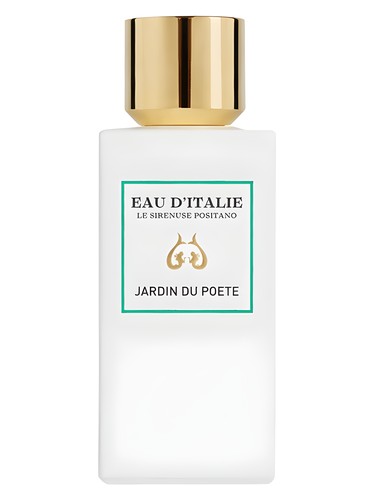
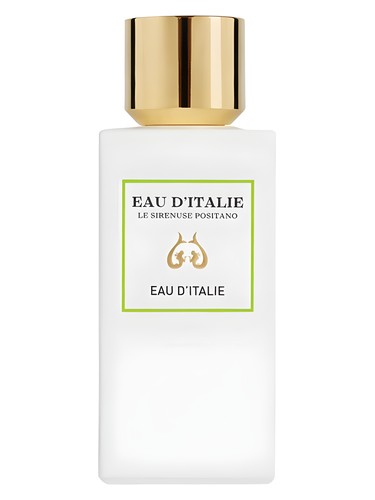
The first spray of Eau D'Italie delivers something unexpected: not the predictable blast of citrus and sea breeze you might anticipate from a fragrance named after the Italian coast, but rather the scent of wet terracotta warming in morning sun. There's incense smoke curling through the air, mingling with the sharp brightness of black currant and bergamot — like stumbling upon a villa's private garden where someone has been burning resins at dawn. This isn't the Italy of tourist brochures. This is something more intimate, more real: the smell of clay pots, earth-stained hands, and white flowers opening in the heat.
The opening feels almost ceremonial. That incense note, typically reserved for winter scents and Oriental compositions, creates an unexpected gravitas. It's softened by the tartness of black currant and the clean citrus brightness of bergamot, but make no mistake — this fragrance announces itself with quiet authority rather than breezy charm.
The Scent Profile
As Eau D'Italie settles into its heart, the clay accord emerges as the true protagonist of this composition. At 74% prominence among the main accords, it's second only to the floral elements, and it transforms everything around it. This isn't clay as a passing impression — it's the actual scent of wet earth, of pottery studios, of hands shaping something from the ground itself. Against this mineral backdrop, magnolia and tuberose unfurl with creamy, almost waxy richness.
The magnolia brings a lemony-green freshness that keeps the composition from becoming too heavy, while tuberose adds its characteristic narcotic sweetness. But here's where Eau D'Italie distinguishes itself: these florals never reach full operatic volume. Instead, they remain grounded — literally — by that persistent clay note, as if the flowers are still rooted in earth rather than arranged in a vase.
The green accord (53%) and earthy dimension (44%) work in tandem with the clay, creating a sense of something living and growing rather than cut and preserved. There's a verdant quality that suggests stems and leaves, not just blooms.
The base reveals its complexity slowly. Clover brings an almost hay-like sweetness, unexpected and rustic. Musk provides the necessary skin-like warmth, while patchouli adds depth without veering into head-shop territory. Amber rounds everything out with a golden glow, its 40% presence in the accord structure lending just enough resinous warmth to balance the cooler, earthier elements. The result is a fragrance that feels both grounded and luminous, earthy yet refined.
Character & Occasion
The data tells a clear story: Eau D'Italie is overwhelmingly a summer fragrance (90%), with strong spring appeal (76%) and little relevance for colder months. At 100% day wear suitability versus just 14% for evening, this is unambiguously a daylight scent — and its character confirms why.
This is what you wear to a farmers' market on a June morning, to a garden party where you'll actually be in the garden, to lunch on a terrace overlooking olive groves. It's for moments when you want to smell interesting and sophisticated but not perfumed in any conventional sense. The clay-floral combination feels artistic, like someone who works with their hands — a ceramicist, a landscape designer, a painter in a sun-drenched studio.
Despite being marketed as feminine, there's an androgynous quality to Eau D'Italie's earthiness. The tuberose and magnolia prevent it from reading as masculine, but those mineral and green elements would wear beautifully on anyone who appreciates unconventional compositions.
Community Verdict
With a solid 3.85 out of 5 rating from 392 voters, Eau D'Italie sits comfortably in "very good" territory. This isn't a polarizing masterpiece that some will rate at 5 and others at 1, nor is it a safe crowd-pleaser designed for universal appeal. Instead, the rating suggests a fragrance with a clear identity that delivers consistently on its particular vision — earning respect even from those for whom it might not be personally suited.
The relatively substantial vote count (nearly 400 opinions) indicates this is more than a cult obscurity; it's been sampled and evaluated by a meaningful cross-section of perfume wearers who've found something worth discussing here.
How It Compares
The comparison list reads like a who's-who of sophisticated, unconventional summer fragrances. Hermès' Un Jardin Sur Le Nil shares that green, watery quality and similar seasonal positioning. L'Artisan Parfumeur's Timbuktu offers another take on incense in an unexpected context. Diptyque's L'Ombre Dans L'Eau brings floral-green garden vibes without the clay element.
More surprisingly, Shalimar and Chergui appear as comparisons — both far more overtly Oriental and ambery. What they likely share with Eau D'Italie is that incense component and a certain weight that prevents them from being simple, fleeting summer scents.
Where Eau D'Italie distinguishes itself is in that unmistakable clay accord. None of its comparisons feature this earthy-mineral note so prominently, making it the earthiest option in a field of already-unconventional fragrances.
The Bottom Line
Eau D'Italie isn't trying to be your everyday summer scent, and that's precisely its appeal. The clay-floral combination won't suit everyone, but for those drawn to fragrances that prioritize character over mass appeal, this delivers something genuinely distinctive. The 3.85 rating reflects its quality and execution rather than universal love — and that's appropriate for a fragrance this intentionally unconventional.
At twenty years old (launched in 2004), it's proven its staying power in a market that often forgets last season's launches. That longevity suggests substance beyond novelty.
This is for the person who finds conventional summer florals boring, who wants something with earthy sophistication, who doesn't mind smelling like they've been doing something creative rather than simply smelling pretty. If the idea of incense, clay, and white flowers in warm weather intrigues rather than confuses you, Eau D'Italie deserves a place on your sampling list.
Reseña editorial generada por IA