First Impressions
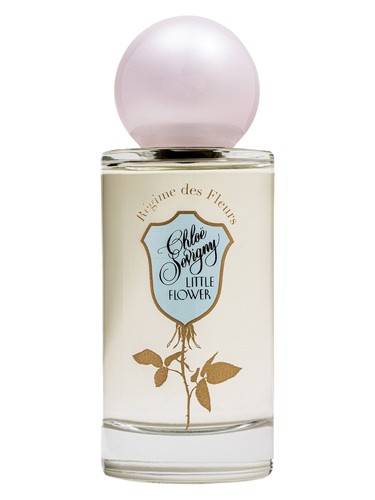
There's something quietly rebellious about a celebrity fragrance that refuses to announce itself with fanfare. Chloë Sevigny Little Flower, created in partnership with Los Angeles niche house Régime des Fleurs, opens with the soft insistence of petals pressed between pages—a rose accord so pure it borders on photorealistic, yet lifted by a citrus brightness that keeps it from feeling precious or derivative. The first spray reveals an artist's restraint rather than a marketer's ambition, which is perhaps exactly what you'd expect from an actress who built her career on authenticity over spectacle.
The fragrance introduces itself as a rose study, but one observed through morning light rather than candlelit romance. There's an airiness here, a transparency that allows you to perceive the individual facets of the composition rather than being overwhelmed by a singular statement. It's the olfactory equivalent of Sevigny's own aesthetic—refined without trying, elegant without affectation.
The Scent Profile
While the specific note breakdown remains undisclosed by the brand, the accord structure tells a clear story: this is rose reimagined as a living garden rather than a perfumer's abstraction. The dominant rose accord—registering at full intensity—forms the heart and soul of Little Flower, but it's the supporting players that give it dimension.
The citrus presence, making up over half the fragrance's character, provides a brightness that elevates the rose from potentially cloying territory into something more dynamic. Think of morning dew on rosa damascena, that moment when sunlight first touches the bloom and releases both the flower's natural oils and the crisp green of its stem. This citrus element works not as a traditional cologne-style top note that burns off quickly, but as an integrated companion that threads through the composition.
The fruity undertones add a subtle sweetness—not syrupy or candied, but the natural sugar content you'd find in rose petals themselves when they're at peak bloom. There's a lychee-like quality that some rose fragrances carry, a gentle exoticism that keeps the nose engaged without departing from the central theme.
The fresh and green accords round out the experience, grounding the rose in its botanical reality. These elements prevent the fragrance from floating too far into abstraction, anchoring it in something tangible: an actual garden, an actual flower, an actual moment of beauty captured in liquid form.
Character & Occasion
Little Flower demonstrates remarkable versatility, performing across all seasons with equal grace—a rare achievement for a rose-dominant fragrance. Its transparency allows it to wear comfortably in summer heat, where heavier florals might suffocate, while its floral richness provides enough presence to cut through the cold months without feeling thin or overwhelmed.
The lightness of touch and fresh character suggest this is primarily a daytime companion, though the sophisticated rose heart could certainly transition into evening wear for those who prefer subtlety over projection. This isn't a fragrance that demands attention across a room; it works in the personal space, revealing itself to those who come close enough to notice.
The ideal wearer understands that luxury doesn't require volume. This is for someone who appreciates the craftsmanship of a perfectly tailored white shirt, who knows that simplicity executed flawlessly often outshines complexity attempted poorly. It suits professional environments where you want to be remembered for your presence rather than your perfume, creative spaces where personal style matters but shouldn't dominate, and intimate settings where subtlety reads as confidence.
Community Verdict
With a rating of 4.3 out of 5 stars across 645 votes, Little Flower has clearly resonated with those who've experienced it. This is a substantial sample size that suggests consistent quality rather than polarizing avant-garde experimentation. The rating indicates a fragrance that delivers on its promise—perhaps not revolutionary enough to achieve perfect scores, but refined and wearable enough to earn genuine appreciation from a broad spectrum of wearers.
The solid rating also speaks to Régime des Fleurs' credibility as a house: this isn't a vanity project trading on celebrity cachet, but a legitimate artistic collaboration that stands on its own merits.
How It Compares
Little Flower finds itself in distinguished company. Its closest relatives include Delina by Parfums de Marly and Delina Exclusif—both known for their sophisticated rose-centered compositions with fruity accords. Where the Delina fragrances tend toward more opulence and projection, Little Flower maintains a lighter hand.
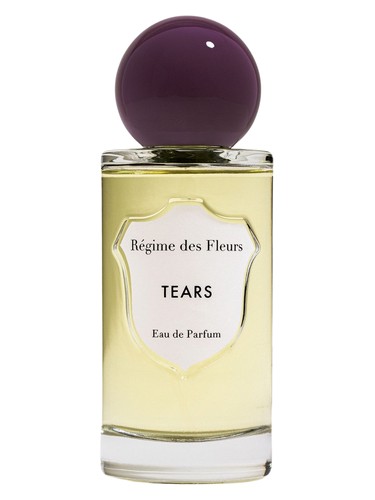
Diptyque's Eau Rose offers perhaps the nearest spiritual kinship: both fragrances celebrate rose in a fresh, wearable context rather than pursuing romantic intensity. Glass Blooms and Tears, both from Régime des Fleurs' own collection, share the house's signature botanical precision and artistic sensibility, making them natural siblings in approach if not identical in execution.
Within this context, Little Flower distinguishes itself through its particular balance of freshness and florality, achieving a rose portrait that feels both contemporary and timeless.
The Bottom Line
Chloë Sevigny Little Flower succeeds precisely because it doesn't try too hard. In an era of fragrance bombast and olfactory theatrics, this is a meditation rather than a declaration—a rose study that trusts in the inherent beauty of its subject rather than drowning it in supporting cast members.
The 4.3 rating and substantial vote count suggest this is a safe exploration for those curious about artisanal rose fragrances, while the comparison to respected fragrances in significantly higher price brackets hints at solid value proposition. It's particularly worth seeking out for anyone who found Delina too sweet, Eau Rose too fleeting, or most rose fragrances too traditionally feminine in their execution.
This is refinement without stuffiness, femininity without convention, celebrity collaboration without compromise. Sometimes the quietest voice in the room says the most interesting thing—Little Flower is that voice, and it's worth leaning in to hear what it has to say.
Reseña editorial generada por IA