First Impressions
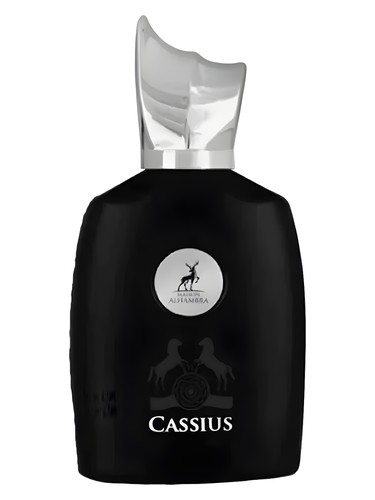
The first spray of Cassius tells you exactly what kind of evening you''re about to have. There''s an unexpected brightness—a flash of green apple cutting through the air, grounded immediately by the warmth of nutmeg. It''s a greeting that feels both playful and serious, like showing up to a velvet-draped lounge in leather boots. Within moments, something deeper stirs beneath: a whisper of vanilla so pronounced that it anchors everything else, promising that this opening act is merely prelude to something far more enveloping.
This is Maison Alhambra''s 2022 offering to those who want presence without pretense, femininity without fragility. Cassius doesn''t ask permission to take up space.
The Scent Profile
The top notes deliver their thesis quickly. Green apple brings a crisp, almost juicy facet that reads more sophisticated than candied—think the sharp snap of biting into a Granny Smith rather than syrupy sweetness. The nutmeg weaves through with its characteristic spicy warmth, adding dimension and preventing the apple from skewing too young or playful. This combination creates an intriguing tension: fresh yet warm, bright yet grounded.
As Cassius settles into its heart, the rose emerges—not the dewy, garden-fresh variety, but something richer and more resinous. It''s the kind of rose that knows its own mind, complemented beautifully by tonka bean''s almond-like sweetness and hay-like warmth. Here''s where the fragrance reveals its true architecture: that dominant vanilla accord (registering at full intensity in the data) begins to bloom in earnest, melding with the tonka to create a gourmand base that feels indulgent without tipping into dessert territory.
The base is where Cassius plants its flag. Patchouli—the second-strongest accord at 75%—brings earthy, slightly camphoraceous depth that keeps all that vanilla from floating away into pure sweetness. It''s a grounding force, adding shadow and complexity to what could otherwise be a one-dimensional vanilla bomb. The truncated note listing hints at additional base elements (that incomplete "Patchouli an" suggests perhaps amber or another anchoring note), but the patchouli itself does considerable heavy lifting, creating a foundation that''s both woody and darkly aromatic.
Character & Occasion
The community has spoken clearly on this point: Cassius is overwhelmingly a creature of the night, with 91% of wearers favoring it for evening occasions versus just 46% for daytime. This makes perfect sense given its rich vanilla-patchouli core and warm spicy character. This isn''t a scent for Monday morning meetings or brunch dates—it''s for dimly lit dinners, gallery openings, late-night conversations over wine.
Seasonally, Cassius thrives in the colder months. Winter claims 100% suitability, with fall following closely at 95%. The fragrance''s warmth, its enveloping vanilla and spicy nuances, make it a natural companion for scarf weather and early sunsets. Spring sees moderate success at 53%, likely during those transitional cool evenings, but summer—registering at just 12%—is clearly not this fragrance''s domain. The vanilla and patchouli combination would likely feel suffocating in humidity and heat.
Who is Cassius for? Despite its feminine classification, this is a scent for anyone who appreciates bold, unapologetic vanilla with a sophisticated edge. It''s for those who want to be remembered after they''ve left the room, who view fragrance as punctuation rather than whisper.
Community Verdict
With a rating of 4.27 out of 5 based on 397 votes, Cassius has earned genuine enthusiasm from its audience. This isn''t a niche darling with twelve devoted fans or a mass-market pleaser coasting on accessibility—it''s a fragrance that''s found a substantial community of supporters who rate it highly enough to suggest genuine quality.
Nearly 400 votes provide a meaningful sample size, and that 4.27 rating places Cassius firmly in "very good" territory. It''s worth noting that fragrances rarely achieve universal acclaim; something this distinctive, with such pronounced vanilla and patchouli, will naturally have its detractors. That it maintains a rating above 4.0 suggests it delivers on its promises consistently enough to win over those who try it.
How It Compares
Cassius exists in interesting company. Its similar fragrances—Détour Noir by Al Haramain, Asad and Liam and Khamrah by Lattafa, and 9pm by Afnan—suggest a larger conversation happening in the affordable fragrance market around rich, vanilla-forward compositions with Middle Eastern sensibilities. These brands have carved out territory delivering bold, long-lasting scents at accessible price points.
Within this landscape, Cassius holds its own with that distinctive apple-nutmeg opening that sets it apart from more straightforward vanilla-patchouli offerings. While Khamrah, for instance, leans heavily into date and cinnamon sweetness, Cassius takes a slightly fresher approach with its green apple introduction before settling into similar warm, vanillic depths.
The Bottom Line
Cassius represents the kind of fragrance that confident wearers will embrace and tentative ones might find overwhelming. Its 100% vanilla accord dominance is no accident—this is emphatically a vanilla scent, but one given sophistication through patchouli''s earthiness and complexity through its spicy elements.
At 4.27 out of 5, it''s punching above the weight class many might expect from Maison Alhambra, a brand often positioned in the accessible luxury space. The nearly 400 votes suggest this has found its audience: those seeking a cold-weather, evening-appropriate vanilla fragrance with personality and projection.
Should you try it? If you''re drawn to bold, sweet fragrances with earthy underpinnings, if you light up when you hear "vanilla-patchouli," if you need something that won''t fade into the background at night—absolutely. If you prefer minimalist, skin-like scents or wilt under anything overtly sweet, this probably isn''t your match.
Cassius knows exactly what it is: an unabashedly warm, sweet, nocturnal companion for the colder months. Sometimes clarity of purpose is its own virtue.
Reseña editorial generada por IA