First Impressions
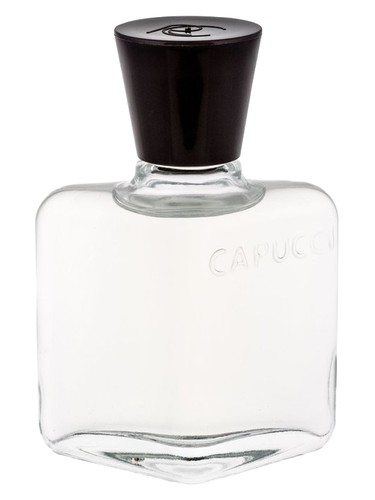
The first spray of Capucci Pour Homme feels like stepping into an Italian courtyard at daybreak—dew still clinging to potted basil plants, a basket of fresh citrus on sun-warmed stone. This 1967 creation from fashion designer Roberto Capucci opens with an exuberant citrus fanfare that refuses to apologize for its brightness. Amalfi lemon and lime surge forward, sharpened by bergamot''s slightly bitter edge, while basil and anise add an herbal intrigue that keeps this from being just another lemon cologne. It''s immediately clear you''re encountering something from a different era of masculine fragrance—before minimalism, before focus groups, when perfumes were allowed to be complex and unapologetically themselves.
The Scent Profile
The opening is dominated by that citrus accord—registering at full intensity in its DNA—but it''s the supporting cast that makes this interesting. The Amalfi lemon leads with crystalline clarity, while lime adds a green, almost sherbet-like fizz. Bergamot brings its characteristic earl grey sophistication, but it''s the basil and anise that truly distinguish this opening from its contemporaries. The basil contributes a green, almost savory quality, while the anise whispers licorice sweetness without ever becoming cloying. This aromatic-fresh spicy character (scoring 62% and 57% respectively) creates a complexity that modern citrus colognes often lack.
As the brightness settles—and it does take its time—the heart reveals a beautifully structured aromatic core. Lavender emerges with classic barbershop elegance, joined by the spicy-medicinal qualities of West Indian bay. What''s unexpected here is the jasmine, adding a subtle floral roundness that softens the composition without feminizing it. Cyclamen brings a light, aqueous quality, while those fruity notes create a bridge between the citrus opening and the earthier territory ahead. This middle phase is where Capucci Pour Homme shows its age in the best possible way—it has the patience and compositional depth that many modern releases sacrifice for immediate impact.
The base is where this fragrance truly earns its vintage credentials. Oakmoss—that now-restricted ingredient that defined masculine perfumery for decades—provides the earthy, mossy backbone (41% mossy accord, 34% earthy). It''s joined by leather and tobacco, creating a distinguished, slightly smoky foundation that feels like worn leather armchairs and aged library wood. Incense adds a meditative, resinous quality, while patchouli and musk deepen the earthy character. Amber rounds everything out with a subtle warmth that never overwhelms the composition''s essential freshness.
Character & Occasion
The data tells a clear story: this is a spring and summer champion (94% and 89% respectively), though it maintains relevance into fall (67%). Winter? Not so much (31%), and that makes perfect sense. This is a fragrance built for warmth and daylight, scoring 100% as a daytime scent versus just 30% for evening wear.
Capucci Pour Homme is the cologne for the man who understands that casual doesn''t mean careless. It''s perfect for weekend markets, garden parties, lunch meetings where you want to smell polished but not aggressive. The citrus-aromatic profile makes it office-appropriate without being boring, fresh without being generic. In spring, it captures the season''s renewal perfectly. In summer heat, it maintains its composure better than many vintage citrus scents, thanks to that substantial base. Early fall days still welcome its brightness, though once the temperature truly drops, you''ll likely reach for something with more heft.
This isn''t a fragrance for the club or the black-tie event. That 30% night-wear score reflects its fundamental character—this is daylight bottled, meant to be worn under sun rather than chandelier light.
Community Verdict
With a 4.15 out of 5 rating from 477 voters, Capucci Pour Homme has earned genuine respect from those who''ve encountered it. That''s a strong score for any fragrance, but particularly impressive for a 57-year-old scent that never achieved the household name status of its contemporaries. This isn''t inflated by hype or nostalgia alone—nearly 500 people have concluded this is worth your attention.
The rating suggests a fragrance that delivers on its promises without revolutionary fireworks. It''s very good at what it does, beloved by those who appreciate citrus-aromatic compositions with proper structure and development.
How It Compares
The listed similarities place Capucci Pour Homme in distinguished company: Guerlain''s Vetiver, Dior''s Eau Sauvage, Hermès'' Terre d''Hermès, Versace L''Homme, and Antonio Puig''s Quorum. This is the citrus-aromatic-chypre family tree of masculine perfumery—the classics that defined what "fresh" meant before aquatics took over.
Where Eau Sauvage emphasizes hedione''s airy radiance and Terre d''Hermès explores mineral-citrus territory, Capucci Pour Homme sits closer to the aromatic warmth of Versace L''Homme, with more prominent tobacco and leather than any of them. It''s perhaps less refined than the Guerlain or Dior, but also more characterful—this has personality where some classics favor timeless restraint.
The Bottom Line
Capucci Pour Homme deserves its 4.15 rating. It''s not perfect—the vintage formula can feel dated to noses raised on modern aromatic fougères, and performance likely varies depending on batch and storage conditions. But it remains a compelling example of when citrus colognes aspired to be complete fragrances rather than fleeting splashes.
If you appreciate vintage masculines, classic Italian style, or simply want to understand what citrus-aromatic fragrances were capable of before reformulation neutered the genre, this is absolutely worth exploring. It won''t be everyone''s signature scent in 2024, but it might just become your warm-weather staple—proof that Roberto Capucci understood more than just fashion.
Reseña editorial generada por IA