First Impressions
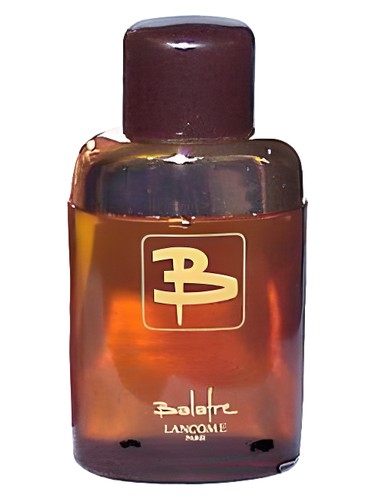
The first spray of vintage Balafre is like stepping into a pine forest after rain—but one where someone has inexplicably left a leather jacket draped over a cedar fence. This isn't the polite, office-friendly "freshness" of modern masculines. This is 1967 speaking clearly: cypress and lavender surge forward with chamomile and neroli weaving through like shafts of morning light through dense foliage. The green notes announce themselves immediately, unapologetic and verdant, while bergamot adds just enough brightness to keep the composition from turning too somber. Lancôme called it Balafre—"the scar"—and that name makes perfect sense once you've felt this fragrance's decisive, almost confrontational opening. It leaves an impression, the way all meaningful encounters should.
The Scent Profile
Balafre's architecture reveals the craftsmanship of a different era, when perfumers built fragrances with patience and depth rather than focus-group appeal. The top notes create a complex aromatic-green canopy: cypress provides that resinous, almost medicinal quality that immediately distinguishes vintage masculines from their descendants, while lavender offers its herbal backbone. The chamomile adds an unexpected softness—not sweetness, but a gentle bitterness that keeps the brightness of bergamot and neroli grounded. This opening phase is dominated by that aromatic accord registering at full intensity, with woody and green elements already shadowing close behind.
As the composition settles into its heart, the forest deepens. Pine tree needles emerge as the central character, doubling down on that coniferous theme while clary sage adds its nutty, almost wine-like herbal dimension. Cedar brings structural support—not the pencil-shaving dryness of some cedar notes, but something more robust and forest-floor authentic. Then comes the surprise: carnation. That spicy floral adds an old-world elegance that separates Balafre from being merely a woodland exercise, providing warmth and a subtle peppery kick. Geranium rounds out this heart with its slightly minty, rose-adjacent greenness, creating a bridge between the fresh opening and what's to come.
The base is where Balafre reveals its true vintage credentials. Oakmoss—real oakmoss, in the generous quantities allowed before IFRA restrictions neutered so many classics—provides that earthy, almost bitter-green foundation that defines the mossy accord. This isn't subtle; it's pronounced and glorious. Leather emerges alongside it, not screaming "motorcycle jacket" but rather suggesting something more refined, like well-worn riding boots or a gentleman's library chair. Vetiver adds its characteristic earthy, slightly smoky grassiness, while musk provides animalic warmth without overwhelming. Amber rounds everything out with just enough sweetness and resinous depth to prevent the composition from becoming too austere.
Character & Occasion
Balafre is unmistakably an autumn fragrance—the community votes it as a perfect fall companion at 100%, and one spray explains why. That combination of pine, oakmoss, and leather practically demands turning leaves and crisp air. But it's versatile enough to span seasons, performing admirably in spring (63% approval) when its green aspects feel particularly appropriate, and even maintaining relevance in winter (54%) when its warmth and aromatic depth provide comfort against the cold. Summer wearers are fewer (44%), though on cooler evenings or in air-conditioned spaces, it could certainly work for those who prefer character over crowd-pleasing freshness.
This is predominantly a daytime fragrance (87% day versus 63% night), which might surprise those who expect vintage masculines to be heavy evening affairs. But Balafre's aromatic-green personality makes it surprisingly appropriate for daylight hours—think Saturday morning errands, Sunday brunch, afternoon appointments where you want to project competence and refinement without formality. The night-time votes suggest it transitions well into evening, particularly for casual occasions rather than black-tie affairs.
The ideal Balafre wearer appreciates olfactory complexity over immediate likability, values heritage over trends, and has the confidence to smell distinctly different from everyone else in the room. This isn't a fragrance for the tentative or the trend-conscious.
Community Verdict
With a rating of 4.38 out of 5 from 370 votes, Balafre occupies impressive territory for a vintage masculine. That score reflects genuine appreciation from those who've experienced it—a self-selecting group, admittedly, but one whose enthusiasm speaks volumes. Achieving this level of approval for a fragrance over 55 years old, in an era when vintage formulations often show their age poorly, suggests Balafre has remained remarkably wearable. The voting base is substantial enough to be meaningful but niche enough to confirm this isn't a mainstream crowd-pleaser. It's a connoisseur's cologne, and the ratings reflect that discriminating audience.
How It Compares
Balafre sits comfortably among the pantheon of aromatic-woody masculines that defined the category. Its closest relatives include Drakkar Noir's aromatic intensity, One Man Show's herbal complexity, and Azzaro pour Homme's aromatic-woody structure. The comparison to Yatagan suggests shared territory in that pine-leather-aromatic space, while Encre Noire points to the vetiver-cypress-woody darkness they both embrace. Where Balafre distinguishes itself is in its particular balance—it's greener than Drakkar, more refined than One Man Show, more aromatic than Encre Noire, and more wearable than Yatagan's challenging intensity.
The Bottom Line
Balafre represents vintage Lancôme at its most confident and masculine. That 4.38 rating isn't inflated nostalgia—it's earned through genuine quality and distinctive character. Is it for everyone? Absolutely not. The oakmoss-heavy base, the assertive aromatic profile, and the unapologetically masculine presentation will divide opinions. But for those seeking an alternative to modern freshness and fruity masculines, Balafre offers something increasingly rare: authenticity and craftsmanship from an era that built fragrances to last. If you can find a vintage bottle in good condition, it's absolutely worth exploring, particularly if you've enjoyed any of its aromatic-woody cousins. This is a scar worth wearing.
Reseña editorial generada por IA