First Impressions
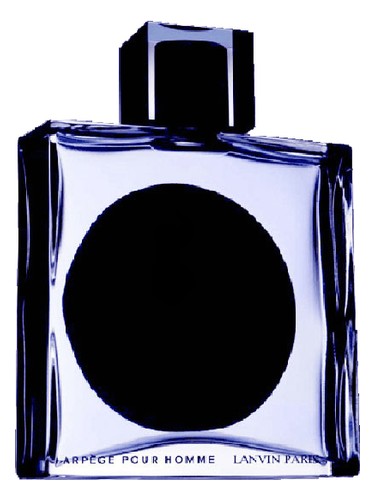
The first spray of Arpege Pour Homme delivers an unexpected sophistication—a citrus opening tempered immediately by pink pepper''s subtle heat and the sophisticated whisper of neroli. This isn''t the brash, attention-seeking opening of many masculine fragrances. Instead, Lanvin''s 2005 creation announces itself with restraint, like a well-dressed stranger who commands attention through quiet confidence rather than volume. Within moments, that initial brightness begins to soften, revealing the powdery-vanilla character that defines this fragrance''s soul. It''s a composition that asks you to lean in rather than demanding you step back.
The Scent Profile
Arpege Pour Homme opens with a quartet of citrus notes—pink pepper, bitter orange, neroli, and mandarin orange—that create a bright yet refined introduction. The pink pepper adds dimension without aggression, while the bitter orange provides edge against the sweeter mandarin. Neroli, often the supporting player in masculine compositions, takes a more prominent role here, hinting at the powdery elegance that will dominate the heart.
As the fragrance settles into its heart, iris emerges as the true star. This isn''t the earthy, rooty iris of many compositions, but rather a softer, more cosmetic interpretation that reinforces the powdery accord (scoring 82% in intensity). Nutmeg adds a warm spiciness that registers at 52% in the fresh spicy accord, while jasmine weaves through with surprising subtlety. This middle phase showcases the fragrance''s most distinctive character—a balance between traditionally masculine spice and an almost unisex powder that recalls high-end soaps and vintage grooming products.
The base is where Arpege Pour Homme fully commits to its vanilla-forward identity. With vanilla scoring a perfect 100% intensity, it dominates but never overwhelms, supported by tonka bean that amplifies the sweetness with its own almond-like warmth. Sandalwood and patchouli provide the woody foundation (65% woody accord), grounding the sweeter elements and preventing the composition from veering into dessert territory. The result is a sophisticated, skin-like finish that wears close and evolves beautifully over its impressive eight-plus hour longevity.
Character & Occasion
The data tells a clear story about when Arpege Pour Homme shines brightest. This is overwhelmingly a cold-weather fragrance, scoring 95% for winter and 83% for fall wear. The vanilla-tonka richness and powdery depth make perfect sense wrapped in wool and cashmere, though its 47% spring viability suggests it can transition into milder weather. Summer, at just 19%, is not this fragrance''s natural habitat—the warmth amplifies sweetness that works better in cooler air.
The day-night split reveals another key characteristic: while it scores 67% for daytime wear, it reaches 100% for evening appropriateness. This versatility stems from its intimate projection—it won''t overwhelm in an office setting, yet it possesses enough sophistication and depth for dinner or evening social occasions. The fragrance doesn''t project broadly (a point of contention in community discussions), making it ideal for settings where you want a signature scent rather than a room-filler.
This is a fragrance that appeals across age groups, according to community feedback. Its timeless quality avoids trend-chasing, making it equally appropriate for a young professional establishing their signature or a mature wearer seeking refined elegance without ostentation.
Community Verdict
The r/fragrance community, drawing from 12 detailed opinions, awards Arpege Pour Homme a notably positive sentiment score of 8.5 out of 10, with the broader rating standing at 4.24 from 803 votes. The praise centers on several key strengths: the excellent balance between bergamot and myrrh (offering complexity despite an apparently simple structure), remarkable longevity exceeding eight hours with clear note separation throughout the wear, and exceptional value on the secondary market.
However, the community is equally candid about its limitations. The projection issue dominates the criticism—this fragrance requires generous application and performs best in close proximity. It''s a "skin scent" in the truest sense, which some view as a feature rather than a bug. The more concerning issue involves reformulation inconsistencies between batches, with specific mentions of differences between 2012 and 2017 versions affecting both quality and performance. Collectors particularly prize the 2012 batch as superior.
The consensus positions this as ideal for personal wear in intimate settings, all-season office environments (with seasonal preference noted above), and anyone seeking a timeless rather than trendy masculine fragrance.
How It Compares
Arpege Pour Homme exists in distinguished company. Its similarity to Prada Amber Pour Homme places it in the sophisticated, powdery-oriental category, while connections to Dior Homme Intense 2011 highlight the iris-vanilla affinity. The Le Male comparison suggests shared DNA in the sweet-spicy masculine space, though Arpege leans more refined and less provocative. Opium Pour Homme and Zino Davidoff connections point to a classic oriental structure that feels more vintage than modern.
Where this fragrance distinguishes itself is in restraint. While its peers often push projection and sweetness, Arpege Pour Homme chooses subtlety, creating a more personal olfactory experience.
The Bottom Line
Arpege Pour Homme succeeds by refusing to shout. In an era of increasingly loud, synthetic masculine fragrances, Lanvin''s 2005 creation offers something genuinely different—a powdery, vanilla-rich composition with surprising depth and remarkable longevity. The 4.24 rating from over 800 voters reflects genuine appreciation, not hype.
The projection limitation is real and worth considering. If you need a fragrance that announces your presence across a room, look elsewhere. But if you''re seeking a sophisticated signature scent that reveals itself gradually, rewarding close encounters rather than demanding attention from a distance, this deserves serious consideration. The reformulation concerns suggest hunting for older batches if possible, though even current versions maintain the core character that makes this fragrance special.
At secondary market prices, this represents exceptional value for anyone drawn to powdery-vanilla masculines with genuine complexity. It''s a fragrance that respects both wearer and audience—and in today''s market, that restraint feels almost revolutionary.
Reseña editorial generada por IA