First Impressions
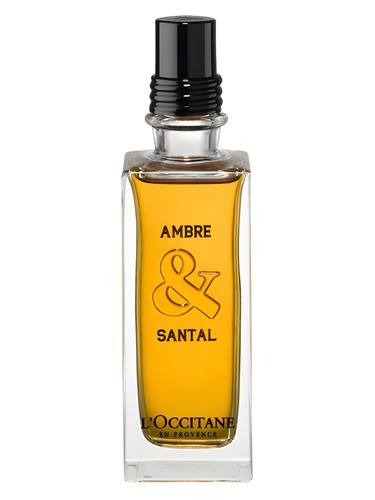
The first spray of Ambre & Santal transports you to an unexpected crossroads: imagine standing in a sun-drenched Provençal herb garden where the air suddenly thickens with the smoky sweetness of an Eastern temple. This is not the fresh, lavender-kissed L'Occitane you might expect. Instead, rosemary and bergamot open with a brightness that feels almost medicinal—aromatic and sharp—before softening into something far more mysterious. Within moments, that initial herbal clarity begins its descent into warmth, hinting at the woody depths waiting below. It's an opening that demands attention, announcing itself as serious perfumery rather than casual refreshment.
The Scent Profile
The journey begins with rosemary and bergamot, a pairing that reads more apothecary than perfume counter. The rosemary brings a camphorous green intensity, while bergamot offers just enough citrus sparkle to keep things from veering too medicinal. This aromatic introduction—reflected in the 26% aromatic accord—sets an unexpectedly contemplative tone for what's marketed as a feminine fragrance.
As the top notes dissipate, something remarkable happens: fig leaf emerges alongside rose, creating a heart that's simultaneously green and floral. The fig leaf doesn't smell of the fruit's milky sweetness but rather the leaves themselves—slightly bitter, earthy, with a latex-like quality that grounds the rose and prevents it from blooming too prettily. The rose here feels restrained, almost abstract, more of a rosy impression than a full-throated garden variety. This middle phase bridges the gap between the bright opening and what's coming next, preparing you for the transformation.
The base is where Ambre & Santal reveals its true character. Sandalwood takes center stage—creamy, smooth, with that characteristic incense-like quality that makes you want to bury your nose in your wrist. It's joined by labdanum, that ancient amber ingredient that smells of sweet leather and resin, alongside vanilla and cedar. The vanilla (registering at 41% in the accord profile) never veers into gourmand territory; instead, it softens the edges of the wood and resin, creating a balsamic sweetness (26%) that feels intentional and refined. The cedar adds structure, keeping the composition from becoming too diffuse in its warmth. What emerges is a woody-dominant fragrance (100% woody accord) with significant amber (45%) and powdery (44%) characteristics—a combination that feels both ancient and entirely wearable.
Character & Occasion
Despite being classified as feminine, Ambre & Santal possesses an androgynous quality that makes it genuinely versatile. The lack of specific day or night preference in the community data speaks to its chameleon nature—this is a fragrance that adapts. The woody-amber backbone reads sophisticated enough for evening, while the herbal opening and fig leaf heart keep it from feeling too heavy for daytime wear.
Rated as appropriate for all seasons, there's wisdom in that assessment. The aromatic opening provides lift in warmer months, while the sandalwood and amber core offers comfort when temperatures drop. In summer, spray lightly and let the fig leaf shine; in winter, layer it on and luxuriate in the vanilla-laced woods. It's the kind of fragrance that works for the person who wants one signature scent rather than a wardrobe of options.
This is perfume for someone who appreciates complexity without showiness, who wants to smell interesting rather than simply pleasant. It suits the minimalist who nevertheless craves richness, the person who wears neutral colors in luxurious fabrics.
Community Verdict
With a rating of 4.33 out of 5 based on 459 votes, Ambre & Santal has earned genuine appreciation from those who've experienced it. This isn't a blockbuster with thousands of reviews, but that seems fitting for a fragrance this quietly confident. The rating suggests consistency—people who seek this out tend to appreciate what they find. There's no polarization here, no love-it-or-hate-it drama. Instead, the solid rating reflects a well-executed composition that delivers on its promise of amber and sandalwood with intelligence and restraint.
How It Compares
The list of similar fragrances reads like a greatest-hits of the amber-woody category: Samsara and Shalimar from Guerlain, Coco from Chanel, Ambre Sultan from Serge Lutens. These are heavy hitters, and Ambre & Santal holds its own by offering something slightly different. Where Samsara leans into jasmine and sandalwood opulence, and Shalimar brings bergamot and vanilla into legendary harmony, L'Occitane's offering adds that distinctive fig leaf and rosemary character—a Mediterranean signature that sets it apart from the more overtly Oriental classics.
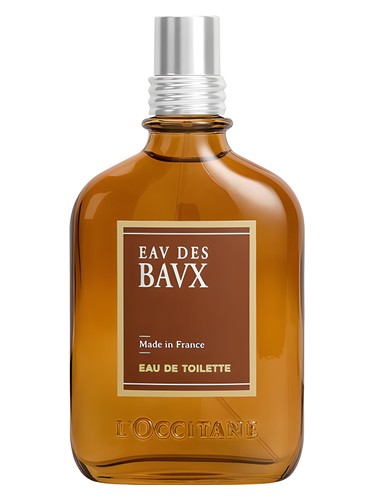
Its closest sibling is naturally Eau des Baux, also from L'Occitane, which shares the brand's facility with aromatic and woody notes. Where Eau des Baux goes darker and more resinous, Ambre & Santal maintains a lighter touch, making it more accessible as a daily wear.
The Bottom Line
Ambre & Santal represents L'Occitane operating at a higher register than their crowd-pleasing body care lines might suggest. This is a proper perfume with architectural integrity—a composition that unfolds with purpose from its aromatic opening through its woody-amber resolution. At 4.33 out of 5, it's clearly resonating with those who discover it, though it deserves wider recognition.
The value proposition is strong. L'Occitane's pricing typically undercuts the luxury houses they're being compared to here, making this an accessible entry point into the sandalwood-amber genre for those intimidated by the price tags of Guerlain or Serge Lutens.
Who should try it? Anyone curious about woody ambers but wary of feeling buried in sweetness. Those who appreciate the herbal character of Mediterranean landscapes. People seeking a signature scent with enough complexity to remain interesting over time. And certainly anyone who already loves those classic Oriental fragrances but wants something with a slightly more modern, less heavy-handed approach. This is thoughtful perfumery hiding in plain sight.
AI-generated editorial review