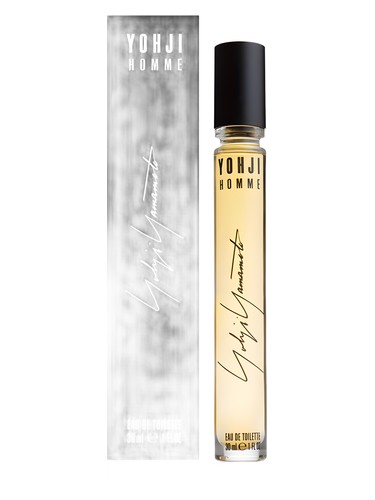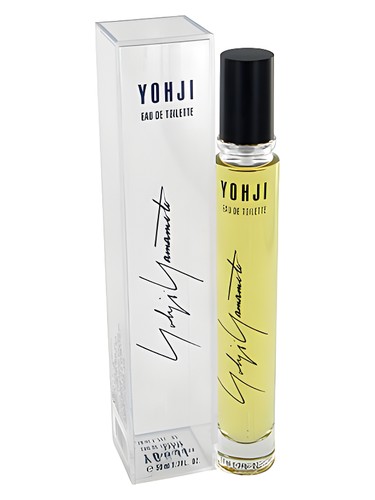
First Impressions
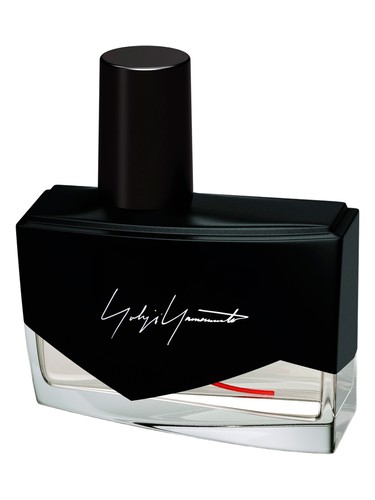
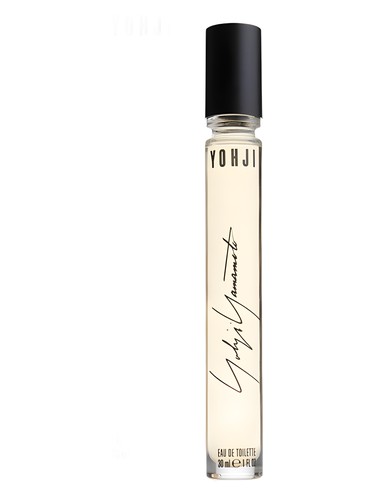
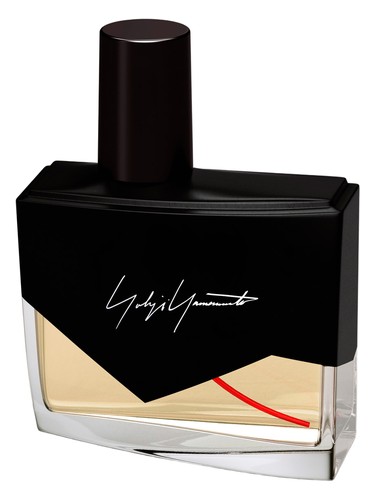
The first spray of Yohji 1996 hits like a blast of spring air through a greenhouse door—crisp, verdant, and unapologetically green. This is galbanum in full force, that bitter-bright resinous note that dominated the opening salvos of classic perfumery before being largely abandoned in favor of more polite introductions. Yohji Yamamoto, known for draping the body in architectural blacks and deconstructed silhouettes, took a similarly uncompromising approach to this fragrance. There''s bergamot here, yes, lending its citrus brightness, but make no mistake: this is green''s show, rating a perfect 100% on the accord scale and wearing that designation like a badge of honor.
What makes this opening so arresting is its refusal to immediately comfort. The green notes slice through with an almost metallic sharpness, vegetal and alive in a way that feels more like crushing stems between your fingers than smelling flowers. It''s bold. It''s confrontational. And in an era when most feminine fragrances were either going gourmand or safely floral, it was downright radical.
The Scent Profile
The evolution of Yohji 1996 is a study in contradictions that somehow resolve into harmony. That intense green opening—all galbanum and bright bergamot—doesn''t fade so much as it gets infiltrated. Within twenty minutes, something unexpected happens: berries arrive. Not the jammy, syrupy berries of fruit-forward fragrances, but blackberry and raspberry that retain their tartness, their seed-flecked texture, their slight tannic quality.
This heart phase is where Yohji 1996 earns its 75% fruity accord rating while maintaining that dominant green character. The berries don''t sweeten the composition as much as they add dimension, like watercolor bleeding into ink drawing. There''s a juiciness here, but it''s kept in check by that persistent herbaceous quality threading through from the top notes.
The base is where things get genuinely interesting—and decidedly ''90s. Vanilla, sandalwood, and musk create a foundation that''s simultaneously powdery (64% accord) and woody (59% accord), with the vanilla reading at 58%. This isn''t the cupcake vanilla of modern gourmands; it''s drier, almost dusty, the kind you''d find in actual vanilla pods rather than extract. The sandalwood adds a creamy woodiness that feels almost buttery, while musk provides that skin-close intimacy that pulls the whole composition back from its aggressive opening into something more wearable, more human.
What emerges after a few hours is a fragrance that sits at the intersection of green chypre traditions and the warmer, sweeter aesthetic that would come to dominate the late ''90s and early 2000s. It''s neither fully one nor the other, which might explain both its devoted following and its relative obscurity.
Character & Occasion
The community data tells a clear story: Yohji 1996 is a cold-weather creature. Winter scores a perfect 100%, with fall close behind at 97%. This makes intuitive sense—that sharp green opening needs the contrast of cool air, and the warm vanilla-sandalwood base benefits from the way cold weather amplifies base notes while tempering volatiles. Spring manages a respectable 57%, but summer limps in at just 33%. This is not a fragrance that wants to compete with heat and humidity.
Interestingly, it performs nearly as well at night (80%) as during the day (93%), making it one of those rare fragrances that transitions seamlessly from desk to dinner. The green opening reads as professional and put-together for daytime, while the sweet-woody drydown provides enough warmth and intimacy for evening wear.
This is a fragrance for someone who appreciates fashion as architecture, who understands that beauty doesn''t always mean prettiness. It''s for the woman who might actually wear Yohji Yamamoto''s clothes—someone comfortable with asymmetry, with challenging proportions, with black on black on black punctuated by an unexpected detail.
Community Verdict
With a 4.16 out of 5 rating from 1,361 votes, Yohji 1996 has earned genuine respect from those who''ve experienced it. That''s a strong showing, particularly for a fragrance that never achieved mainstream recognition and has become increasingly difficult to find. The rating suggests a fragrance that rewards those who seek it out, that might not work for everyone but works exceptionally well for its intended audience.
The substantial vote count indicates this isn''t just a cult curiosity—enough people have discovered and evaluated it to constitute a meaningful consensus. When a challenging, uncompromising fragrance maintains a rating above 4.0, it''s worth paying attention.
How It Compares
The comparison to Dolce Vita by Dior and Samsara by Guerlain makes sense—these are fragrances from the same era that pair green or woody elements with warmer, more traditionally feminine bases. The Shalimar Parfum Initial connection points to that vanilla-forward drydown, while Poison and Angel represent the era''s willingness to push boundaries and polarize audiences.
Where Yohji 1996 distinguishes itself is in its restraint. It''s bold, yes, but it''s not loud. Unlike Angel''s unabashed sweetness or Poison''s baroque intensity, Yohji maintains a kind of austere elegance throughout its development. It''s the minimalist in a room full of maximalists.
The Bottom Line
Yohji 1996 represents a specific moment in perfumery when designers were genuinely experimenting with fragrance as an extension of their aesthetic vision rather than as a licensing opportunity. It''s not an easy fragrance—that galbanum opening will test anyone accustomed to softer modern openings—but it''s a rewarding one.
At 4.16 out of 5, it''s clearly connecting with those who try it. If you gravitate toward green fragrances, if you appreciate the interplay between sharp and sweet, or if you simply want to experience what a fashion visionary''s olfactory signature smells like, this is worth seeking out. Just save it for when the temperature drops and you''re ready for something that demands attention without ever raising its voice.
KI-generierte redaktionelle Rezension