First Impressions
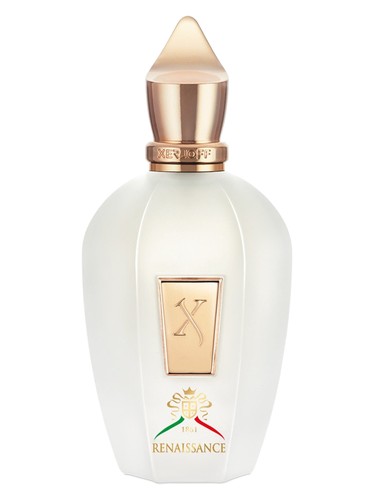
The first spray of XJ 1861 Renaissance hits like a sun-drenched morning on the Amalfi Coast—bright, confident, and utterly clean. This is citrus at its most unapologetic: Amalfi lemon leads the charge alongside tangerine and bergamot, creating a luminous opening that demands attention without ever shouting. There''s a crispness here, sharpened by petitgrain''s bitter-green edge, that feels almost architectural in its precision. This isn''t the fuzzy, indistinct citrus of mass-market fragrances; it''s structured, intentional, and remarkably natural-smelling. Within seconds, you understand why this fragrance earned its impressive 4.31 out of 5 rating from nearly 4,700 voters—there''s an immediate quality that announces itself without pretense.
Yet there''s something else lurking beneath that radiant surface. A whisper of formality. A hint of restraint that suggests this fragrance remembers an era when perfumery moved more slowly, when compositions valued balance over boldness. Whether that''s a strength or a limitation depends entirely on what you''re seeking.
The Scent Profile
The opening act is a citrus symphony where Amalfi lemon takes center stage, supported by the sweeter, rounder notes of tangerine and the sophisticated bitterness of bergamot. Petitgrain adds a leafy, slightly woody dimension that prevents the top notes from veering into simple fruit territory. This is the fragrance at its most assertive, dominating the first fifteen to twenty minutes with an intensity that justifies the 100% citrus accord rating.
As Renaissance settles, the heart reveals its more complex personality. Mint arrives—not as a toothpaste blast, but as a cool, green breath that bridges the citrus opening to what follows. Lily-of-the-valley contributes a delicate, almost soapy floralcy, while rose adds a classical elegance. This is where the 51% green and 50% aromatic accords make themselves known, creating a middle phase that feels refreshing yet refined. The mint-rose combination is particularly intriguing, walking a tightrope between masculine freshness and feminine floral grace.
The base brings the composition back to earth. Virginia cedar provides a pencil-shaving woodiness, while patchouli adds depth without heaviness. Musk lends skin-like warmth, and amber provides just enough sweetness to round out the sharper elements. These base notes never dominate—instead, they create a soft, woody-musky foundation that allows the brighter elements to shine throughout the fragrance''s evolution. The 24% woody accord reflects this supporting role rather than a starring turn.
Character & Occasion
Renaissance knows exactly where it belongs: warm-weather daytime wear. With a 100% summer rating and 87% spring designation, this is quintessentially a sun-chasing fragrance. The 89% daytime versus 21% nighttime split tells the story clearly—this isn''t your sultry evening companion or your cozy winter comfort scent. The 7% winter rating confirms what your nose already knows: this fragrance wilts in cold weather, its citrus brightness feeling thin and out of place against heavy coats and gray skies.
This is the fragrance for morning meetings, weekend brunches, garden parties, and any occasion where "fresh" and "appropriate" are the assignment. The 33% fresh spicy accord gives it just enough personality to avoid blandness, but it never risks offense. It''s marked as feminine, yet the composition''s classic structure and citrus-aromatic profile could easily appeal to anyone seeking that bright, clean aesthetic regardless of gender.
Community Verdict
The 22-person community sentiment reveals an interesting split, earning a modest 6.5 out of 10—respectable but hardly enthusiastic. The praise centers on technical execution: users consistently note the well-composed structure, the natural-smelling quality of the ingredients, and the versatility that makes it suitable for virtually any professional or casual setting. Several commenters appreciated its evocation of historical or nostalgic atmospheres, connecting to the "1861" in its name.
But here''s where Renaissance stumbles: multiple users describe it as feeling dated or old-fashioned, with specific references to 1980s fragrances. This isn''t the vintage appeal of a rediscovered classic—it''s the less flattering sense that the fragrance hasn''t quite kept pace with contemporary tastes. Critics note it lacks innovation or modern sensibility, making it feel safe to the point of being forgettable. The community''s recommendation tells the story: this is best for "safe everyday wear" and "office and professional settings"—hardly the language of passion or excitement.
Curiously, some users suggested it works best in cold weather, contradicting the overwhelming seasonal data. This disconnect might reflect individual chemistry variations or perhaps a desire to find ways to make the fragrance more interesting than its obvious warm-weather calling.
How It Compares
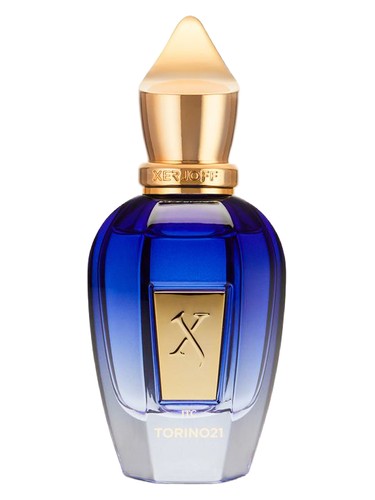
The similar fragrances list is revealing. Nio by Xerjoff and Torino21 by Xerjoff suggest this sits comfortably within the brand''s house style. More intriguing are the comparisons to Terre d''Hermès—a masculine classic known for its citrus-mineral-woody profile—and Imagination by Louis Vuitton, which similarly plays with fresh citrus over woody bases. Cedrat Boise by Mancera rounds out the list, another citrus-forward composition with woody-aromatic underpinnings.
What this constellation reveals is that Renaissance occupies well-trodden territory. It''s a citrus-woody fragrance in a category saturated with options, and while it executes the formula competently, it doesn''t redefine it. The Xerjoff quality is evident—the natural-smelling ingredients, the smooth blending—but so is a certain conservatism.
The Bottom Line
XJ 1861 Renaissance is a fragrance caught between two identities. It''s impeccably composed, using quality ingredients to create a bright, wearable citrus scent that will offend no one and please many. That 4.31 rating from thousands of users isn''t an accident—this is objectively well-made perfumery.
Yet that community sentiment score of 6.5 tells another truth: competence isn''t the same as excitement. This is a fragrance that feels like it''s playing it safe, prioritizing elegance and appropriateness over distinctiveness or modernity. If you''re seeking a reliable, professional-friendly summer scent with a touch of classical refinement, Renaissance delivers exactly that. But if you want something that pushes boundaries or feels distinctly contemporary, this might feel like a step backward.
Who should try it? Those who appreciate traditional perfumery craftsmanship, anyone building a professional fragrance wardrobe, and people who find modern "fresh" fragrances too synthetic or harsh. Skip it if you''re chasing innovation, looking for cold-weather depth, or seeking something that announces rather than whispers. Renaissance is beautiful—but it''s the beauty of a well-preserved museum piece rather than a living, breathing work of art.
KI-generierte redaktionelle Rezension