First Impressions
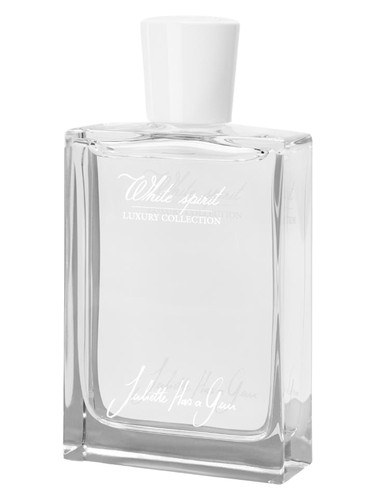
The first spray of White Spirit feels like witnessing an act of subtraction. Here is tuberose—that most opulent, most carnal of flowers—stripped of its usual velvet drama. Instead, what emerges is something ghostly and clean, a white floral that whispers rather than announces. Jasmine sambac joins the opening like a shaft of morning light, bright but soft-focused, while the tuberose hovers with an almost spectral quality. This is not the bruised, narcotic tuberose of vintage florals, nor the creamy, butter-rich variety of conventional white floral compositions. This is tuberose as idea, as essence, as spirit—which makes the name feel less like marketing and more like precision.
The immediate impression is one of modernity meeting restraint. There''s a cleanness here that borders on austere, yet never tips into coldness. It''s the olfactory equivalent of a white linen shirt in an empty room, or morning fog over still water. You sense complexity beneath the surface, but Juliette Has A Gun holds it at arm''s length, refusing easy intimacy.
The Scent Profile
White Spirit''s architecture reveals itself in layers of increasing warmth, though the structure remains consistently sheer throughout its development. The opening duet of tuberose and jasmine sambac establishes the fragrance''s white floral dominance immediately—this accord registers at full intensity and never truly retreats. But unlike traditional tuberose showcases that lean into the flower''s indolic richness, this interpretation maintains a scrubbed, almost soapy clarity.
As the composition unfolds into its heart, the tuberose persists but finds an unlikely companion in ambroxan. This is where White Spirit declares its contemporary intentions. Ambroxan—that synthetic molecule beloved by modern perfumery for its mineral warmth and subtle salinity—acts as a levitating agent, keeping the white florals from settling into anything too lush or grounded. The effect is peculiar and compelling: tuberose made weightless, as if the flower had been distilled into vapor and light rather than captured in oil.
The base finally introduces texture and dimension through musk, sandalwood, amber, and cedar. These notes emerge as a soft, ambered cushion rather than distinct players, creating the musky accord that scores at 94% intensity—nearly as prominent as the white floral itself. The woods—sandalwood and cedar—register in the data at moderate levels (47% woody accord), providing just enough structure to prevent the composition from floating away entirely. The overall effect in the drydown is powdery and subtly skin-like, with amber glowing warmly beneath the persistent white floral veil.
Throughout its evolution, White Spirit maintains an unusual balance: present but not imposing, floral but not sweet, warm but not heavy. The fragrance wears close to the skin, creating an aura rather than a statement.
Character & Occasion
White Spirit exists in that rare category of fragrances suited for all seasons—a genuine chameleon in a market where most perfumes declare clear allegiances. In warmer months, the composition''s airiness and that mineral-inflected ambroxan prevent it from becoming cloying or oppressive. During colder weather, the amber and musk base provides enough warmth to feel relevant without the heaviness of seasonal gourmands or orientals.
The day/night data reveals something intriguing: perfect neutrality. Neither distinctly a daytime scent nor an evening proposition, White Spirit occupies liminal space—equally appropriate for dawn meetings and late dinners, for yoga studios and gallery openings. This versatility comes with a caveat, though: it requires intentionality from the wearer. This is not a fragrance that announces your arrival or lingers dramatically in your wake. It demands proximity, rewards closeness, and reveals itself only to those who lean in.
The feminine designation feels almost incidental. While the white floral and powdery elements certainly align with conventional feminine perfumery, the austere minimalism and ambroxan-driven modernity could easily transcend gender boundaries for those who gravitate toward clean, contemporary compositions.
Community Verdict
With 664 votes landing White Spirit at a 3.55 out of 5, the community response suggests respectful appreciation rather than passionate devotion. This is a solidly above-average rating that indicates a well-executed fragrance with clear appeal, yet one that may not inspire the fervent collector obsession reserved for true masterpieces or revolutionary releases.
That mid-range score likely reflects White Spirit''s intentional restraint. This is a fragrance that courts subtlety over seduction, minimalism over maximalism. Those seeking bold projection or dramatic evolution may find it underwhelming, while admirers of "skin scents" and modern clean florals will likely rate it higher. The substantial vote count demonstrates genuine interest and exploration—this is not an overlooked obscurity, but rather a fragrance that has found its audience while acknowledging it won''t convert everyone.
How It Compares
The comparison to Alien by Mugler initially seems unlikely—that jasmine-focused powerhouse operates at entirely different volume levels. Yet both are built around white florals rendered in contemporary rather than classical styles. Where White Spirit truly finds kinship is with Narciso Rodriguez For Her, another musky-floral hybrid that emphasizes sophisticated restraint and skin-scent intimacy.
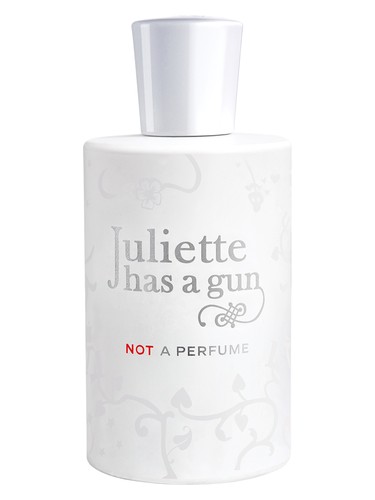
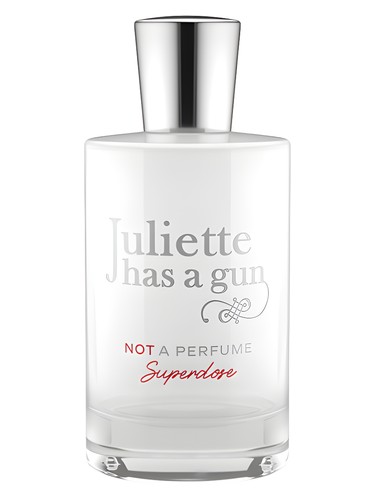
The inclusion of Not A Perfume from the same house provides useful context: Juliette Has A Gun clearly has a signature approach to minimalist, molecule-driven compositions. White Spirit represents a more baroque interpretation of that philosophy—if Not A Perfume is the single brushstroke, White Spirit is the handful of carefully placed marks that suggest a complete image.
The mention of Baccarat Rouge 540 and Honour Woman places this fragrance in elevated company, suggesting that White Spirit occupies premium territory in the white floral-amber-musk intersection.
The Bottom Line
White Spirit succeeds at exactly what it attempts: a dematerialized, modernist take on white floral perfumery. It''s impeccably executed within its narrow parameters, offering quality and coherence even if it doesn''t reach for transcendence. The 3.55 rating feels fair—this is very good rather than exceptional, refined rather than revolutionary.
For those building a contemporary fragrance wardrobe, White Spirit offers genuine versatility and sophistication. It won''t be your loudest bottle or your most complimented, but it may become your most reliable. Ideal for minimalists, for those fatigued by heavy perfumes, for anyone seeking a signature scent that suggests rather than shouts. If you''ve ever wished for tuberose without the usual theatrics, or longed for a white floral that plays well with modern life''s volume constraints, this spirit deserves to haunt your collection.
KI-generierte redaktionelle Rezension