First Impressions
The first spray of Versace Vanitas Eau de Toilette delivers a promise that borders on paradox: a rose that refuses to shout. Where many florals announce themselves with unapologetic femininity, Vanitas opens with freesia and rose locked in a delicate dance—neither leading, both somehow present without overwhelming. There''s an immediate freshness here, a dewy quality that feels like catching morning light through petals still wet from overnight rain. But within seconds, you sense something unconventional lurking beneath this pretty opening. This isn''t your grandmother''s rose perfume, nor is it trying to be.
The Scent Profile
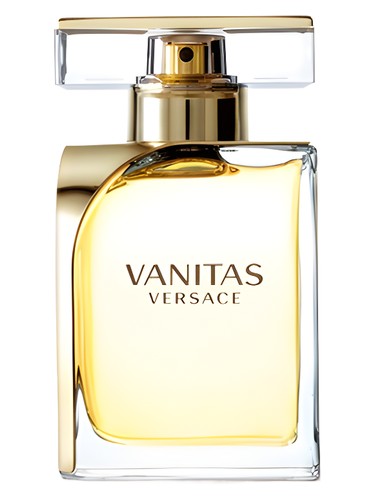
The top notes of freesia and rose create an introduction that''s surprisingly restrained for a fragrance housed in Versace''s ornate bottle. The freesia brings a crisp, slightly soapy brightness that tempers the rose''s natural richness, preventing it from veering into powder territory. This rose reads more watercolor than oil painting—translucent, modern, and decidedly fresh rather than romantic.
As Vanitas settles into its heart, osmanthus and tiare flower emerge with unexpected character. The osmanthus contributes a fruity facet that explains the fragrance''s 38% fruity accord rating—think apricot skin and suede rather than candy sweetness. Meanwhile, the tiare flower adds creamy white floral depth without the heaviness that often accompanies tropical blooms. This middle phase is where Vanitas reveals its true personality: it''s a floral composition that knows how to whisper rather than proclaim.
The base is where things get genuinely interesting, and potentially divisive. Tea and cedar form an unusual foundation for what begins as such a feminine floral composition. The tea note brings a dry, slightly bitter quality—imagine green tea leaves rather than brewed chai—that cuts through the sweetness of the florals above it. Cedar adds woody structure and a pencil-shaving crispness that grounds the entire composition. This isn''t the warm, enveloping base of vanilla and amber that many expect from their florals. Instead, it''s clean, almost austere, with a subtle green quality that persists through the drydown.
Character & Occasion
Vanitas is decisively a spring fragrance—95% of wearers agree—and it''s easy to understand why. This is perfume for renewal, for open windows and light fabrics, for the transition from bare branches to full bloom. Summer claims 76% agreement, where its freshness and relatively light sillage make it appropriate for warmer weather without becoming cloying. The precipitous drop to 40% for fall and 19% for winter tells you everything you need to know: this isn''t a fragrance that adapts well to cashmere and closed doors.
The day/night split is even more dramatic: 100% day, a mere 16% night. Vanitas is unequivocally a daytime fragrance, suited to office environments, brunch dates, and afternoon errands. Its moderate projection and fresh character don''t have the presence or mystery typically desired for evening wear. As an Eau de Toilette concentration, it offers 4-6 hours of wear—respectable but not remarkable—making it ideal for situations where you want to smell polished without overwhelming.
This is a fragrance for someone who appreciates florals but feels constrained by their typical sweetness or heaviness. It suits minimalist aesthetics and modern sensibilities better than baroque glamour, despite its luxurious packaging.
Community Verdict
With a rating of 3.89 out of 5 from 827 votes, Vanitas occupies interesting territory. It''s solidly above average but hasn''t achieved cult status. This rating suggests a fragrance that many appreciate but few love obsessively. The relatively large voting pool indicates decent market presence and longevity since its 2012 launch, yet the score reveals that Vanitas hasn''t achieved universal acclaim. Some clearly find its unconventional base disorienting when paired with its floral opening, while others appreciate exactly this juxtaposition. It''s a polarizing composition masquerading as a safe floral—and that disconnect shows in the numbers.
How It Compares
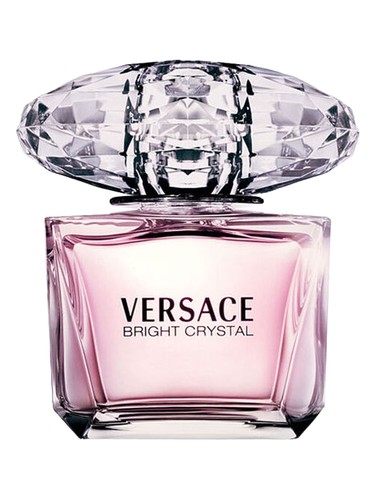
Vanitas shares DNA with several notable fragrances in the modern fresh floral category. Chloé Eau de Parfum offers similar rose-forward freshness but leans more powdery and traditionally feminine. Eclat d''Arpège by Lanvin provides comparable lightness but with more pronounced fruitiness. Bright Crystal, Versace''s own creation, shares the fresh floral approach but stays sweeter and more conventionally pretty throughout its development.
Where Vanitas distinguishes itself is in that tea-cedar base. While J''adore by Dior and 5th Avenue by Elizabeth Arden both occupy the fresh floral space, neither ventures into the dry, woody-green territory that defines Vanitas''s character. This makes it either brilliantly unique or confusingly inconsistent, depending on your perspective and expectations.
The Bottom Line
Versace Vanitas Eau de Toilette is a fragrance that deserves more attention than it typically receives, but it requires the right wearer to truly shine. Its 3.89 rating reflects genuine ambivalence: this isn''t a safe crowd-pleaser, despite its accessible floral opening. The tea-cedar base is its making or breaking point—if you appreciate green, woody freshness and find most florals too sweet or heavy, Vanitas might be your unexpected match.
At its price point (typically moderate for a designer Eau de Toilette), it represents reasonable value for spring and summer daytime wear. However, its moderate longevity and specific seasonal appropriateness mean it won''t be your only fragrance. Think of it as a specialist rather than a generalist—exceptional at what it does, but limited in scope.
Try Vanitas if you''re drawn to rose but frustrated by traditional rose perfumes, or if you''ve ever wished your floral fragrances had more structure and less sweetness. Skip it if you prefer warmth, projection, or versatility across seasons and occasions. This is a fragrance that knows exactly what it is—the question is whether that aligns with what you''re seeking.
KI-generierte redaktionelle Rezension