First Impressions
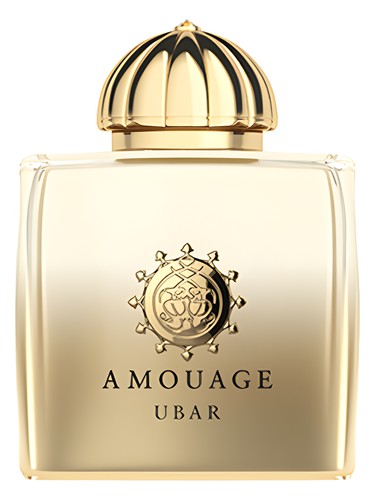
Ubar opens with a citrus flourish that feels like sunlight filtering through stained glass—tangerine and orange intertwine with the green, slightly metallic facets of violet leaf and the pepper-lemon brightness of litsea cubeba. Named after the legendary lost city of the Arabian desert, this 1995 Amouage creation announces itself with a brightness that seems almost archaeological in nature, as if you''ve brushed away sand to reveal something gleaming beneath. Yet this opening proves contentious. While some encounter a luminous introduction, others report a far less pleasant experience: a plasticky, adhesive-like smell reminiscent of blu-tack that immediately raises questions about skin chemistry compatibility.
The promise here is unmistakable—this is Amouage before the brand''s widespread recognition, crafted during an era when the house was still establishing its identity as the purveyor of Middle Eastern luxury reinterpreted through classical French perfumery techniques.
The Scent Profile
The heart of Ubar is where its true character reveals itself: an opulent white floral bouquet that earned the fragrance its 100% white floral accord rating. Jasmine and tuberose form the pillars of this composition, supported by ylang-ylang''s creamy, banana-tinged richness. Orange blossom adds a honeyed dimension, while lily-of-the-valley contributes its deceptively delicate presence—always more assertive than its modest appearance suggests. Freesia lightens the composition with its peppery transparency, and palisander rosewood introduces a subtle spiciness that bridges the floral heart to the deeper base.
This is maximalist white floral work, the kind that doesn''t whisper but rather announces itself in full regalia. The interplay between indolic tuberose and jasmine creates a heady, almost narcotic quality that some will find intoxicating and others overwhelming.
As Ubar settles into its base, the 90% amber accord emerges alongside an 87% woody presence. Black amber provides a resinous warmth, while sandalwood and copahu balm (a South American resin) create a balsamic foundation that''s both smooth and slightly medicinal. Patchouli adds earthiness, vanilla brings sweetness, and vetiver grounds everything with its smoky, root-like character. The balsamic accord registers at 55%, creating a composition that wraps the floral abundance in a golden, resinous embrace.
However, this is precisely where some wearers encounter trouble. Reports suggest that on certain skin types, this base develops unpleasant, urine-like notes—a devastating transformation for such an ambitious composition and a stark reminder that perfume chemistry remains profoundly personal.
Character & Occasion
The data tells a clear story about Ubar''s intended season: this is overwhelmingly an autumn fragrance (99%), with strong winter suitability (82%). Its richness becomes more approachable in cooler weather, when the density of white florals and amber won''t overwhelm. Summer (58%) and spring (52%) scores suggest it''s possible to wear Ubar in warmer months, but you''d need a light hand and a tolerance for bold florals in the heat.
The day/night split is revealing: while Ubar scores 72% for daytime wear, it reaches 100% for evening. This is a fragrance that thrives under dimmed lights, in elegant settings where its opulence feels appropriate rather than excessive. Picture it at gallery openings, intimate dinners, cultural events where its vintage character and unapologetic richness align with the occasion''s formality.
This is unquestionably a feminine fragrance, crafted for someone who appreciates classical white floral compositions and doesn''t shy away from presence. It demands confidence and context.
Community Verdict
Here''s where Ubar''s story becomes complicated. Despite a respectable overall rating of 4.11/5 from 2,456 votes, the Reddit community sentiment skews decidedly negative, scoring just 3.5/10 across 41 opinions.
The pros are somewhat bittersweet: Ubar is highly sought-after precisely because it''s discontinued, making it a collector''s item within the respected Amouage archive. There''s cachet in owning a piece of the brand''s early history.
The cons, however, are damning. Multiple users report that unpleasant blu-tack smell in the opening that I mentioned earlier. More concerning is the persistent complaint about urine-like notes developing in the drydown—a catastrophic failure for any fragrance, let alone one positioned as luxury. Reports of poor skin chemistry compatibility suggest this isn''t a universal fragrance, and overall performance disappointments round out the criticisms.
This disconnect between the broader rating and community feedback suggests that Ubar may have devoted fans who rate it highly, but those who''ve actually worn it extensively have encountered significant problems.
How It Compares
Ubar sits in distinguished company. Its comparisons include Dior''s Dune, Chanel''s Coco Eau de Parfum, Dior''s Poison, and Chanel''s Coco Mademoiselle—a lineup of powerful, statement-making fragrances from the 1980s and 1990s. Within Amouage''s own catalog, it''s compared to Gold Woman, another white floral powerhouse.
What distinguishes Ubar is its particular balance of citrus brightness against deep amber and its balsamic character—it''s perhaps less overtly spicy than Gold Woman and more resinous than the French comparisons. But these distinctions matter only if the fragrance performs well on your skin.
The Bottom Line
Ubar presents a paradox: on paper, it''s an impressive composition from a respected house, earning solid ratings from a broad base. In practice, at least within the community that discusses it most passionately, it''s a problematic fragrance with serious performance issues.
If you''re drawn to discontinued Amouage fragrances or collect vintage Middle Eastern perfumery, Ubar warrants investigation—but only with the ability to test extensively before committing. The reports of challenging openings and unpleasant drydowns are too consistent to ignore, even if they don''t represent every wearer''s experience.
For those seeking opulent white floral ambers, the similar fragrances listed might offer more reliable performances. But for the adventurous collector willing to risk disappointment for the possibility of discovering something unique, Ubar remains a fascinating piece of Amouage''s history—a lost city that some have found beautiful and others have found better left buried.
KI-generierte redaktionelle Rezension