First Impressions
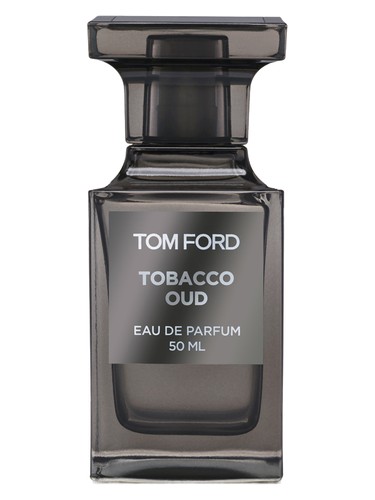
The first spray of Tobacco Oud is an unapologetic declaration. Whiskey—not a timid suggestion, but the full-bodied, amber-hued spirit itself—crashes onto skin with the warmth of a tumbler held close on a winter evening. This isn''t the polite introduction most fragrances offer; it''s a firm handshake from someone who knows exactly who they are. The boozy opening carries a rawness, a specific character that users compare to Makers Mark bourbon, complete with its honeyed sweetness and oaken depth. Tom Ford released this in 2013, and even a decade later, those who''ve experienced it speak of that opening with a reverence usually reserved for discontinued cult classics. Because that''s precisely what Tobacco Oud has become.
The Scent Profile
The whiskey note that dominates the opening doesn''t simply evaporate—it settles, creating a foundation for what comes next. As the initial alcohol burn softens, a constellation of spices emerges: cinnamon and coriander dance with unnamed warm elements that create a composition registering at 100% on the warm spicy accord scale. The cinnamon here isn''t the red-hot candy variety; it''s the dusty, slightly woody spice you''d find in aged barrels, complementing rather than competing with that whiskey signature.
But the heart is merely a transition to where Tobacco Oud truly establishes its identity. The base is a masterclass in layering rich, resinous elements. Tobacco arrives not as a single note but as a complete portrait—earthy, slightly sweet, with the complexity of leaves cured and aged. Alongside it, oud provides its characteristic medicinal-woody depth, though at 52% presence, it plays a supporting rather than starring role. This is tobacco''s show, boosted by incense smoke, the creamy woodiness of sandalwood, and patchouli''s dark earthiness.
Then come the comforting elements: benzoin adds a balsamic sweetness, vanilla rounds the sharper edges, and cedar provides structural backbone. The result is a fragrance that registers as 84% woody and 82% tobacco-forward, with enough sweetness (45%) to keep it from becoming austere. This isn''t a linear scent—it''s a slow reveal that unfolds over hours, each phase blending seamlessly into the next.
Character & Occasion
The data tells an unambiguous story: Tobacco Oud is a cold-weather specialist. Winter scores 100%, fall hits 90%, and then there''s a dramatic drop to 25% for spring and a mere 9% for summer. This is a fragrance that demands lower temperatures, the kind that makes you reach for wool and cashmere. In warmth, its density would overwhelm; in cold, it creates an enveloping aura that feels like necessity rather than luxury.
The day/night split is equally revealing: 39% day, 91% night. While some brave souls wear it during daylight hours, Tobacco Oud truly comes alive after dark. This is a fragrance for special occasions and evening events—dinners where the lighting is low and the conversation flows as smoothly as the whiskey it evokes. Officially marketed as feminine, the community treats it as thoroughly unisex, gravitating toward it for what it is rather than whom it''s supposedly for.
Who should wear it? Those who appreciate tobacco and boozy fragrances, certainly. But also anyone seeking a powerhouse scent that commands attention through presence rather than projection alone. This isn''t a conference call fragrance; it''s what you wear when you want to be remembered.
Community Verdict
The r/fragrance community''s sentiment score of 8.2/10 across 49 opinions reveals deep appreciation shadowed by anxiety. The pros are exceptional: longevity that stretches beyond 24 hours, performance that justifies the "powerhouse" designation, and those distinctive whiskey-tobacco notes that create something genuinely unique in the winter fragrance landscape.
But the cons tell a more complicated story. Discontinuation—or at minimum, unclear availability across regions—haunts every discussion. Users report hunting for bottles, paying premium prices on the secondary market, and worrying about reformulations affecting newer batches. Some find it sharp or intense, particularly in the opening moments. Most tellingly, collectors mention wearing their bottles rather than hoarding them, driven by uncertainty about whether they''ll ever find replacements.
The community''s advice is practical: if you find it and love it, buy it. Don''t wait. Don''t assume it''ll be there tomorrow.
How It Compares
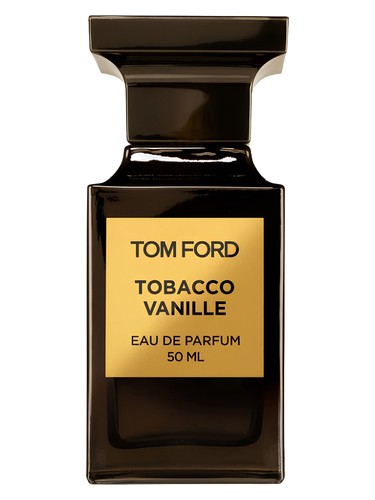
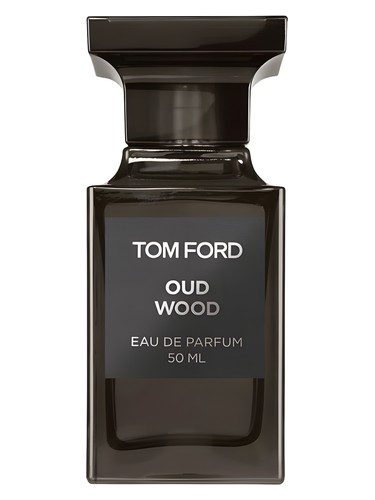
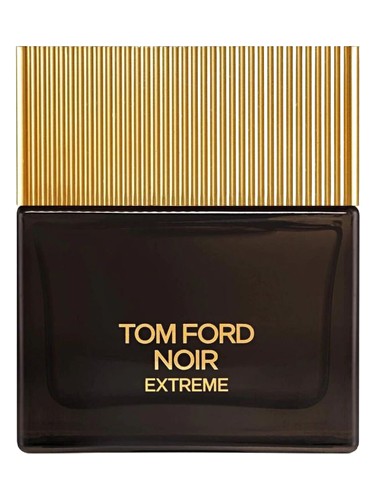
Within Tom Ford''s own lineup, Tobacco Oud sits between the sweeter Tobacco Vanille and the woodier Oud Wood, carving out territory that''s darker and more complex than the former, more overtly spiced than the latter. Parfums de Marly''s Herod shares the tobacco-cinnamon DNA but lacks the whiskey intensity. Amouage''s Jubilation XXV Man offers similar richness and occasion-appropriate gravitas. Tom Ford''s Noir Extreme appears on the similar list, though it skews sweeter and less raw.
What distinguishes Tobacco Oud is that specific boozy character—the whiskey note that grounds everything else. It''s a bold choice that not every house would make, and it''s executed with enough restraint to remain wearable rather than gimmicky.
The Bottom Line
A rating of 4.22/5 from 3,937 votes places Tobacco Oud in rarefied territory—widely loved, with enough complexity to satisfy demanding palates. But that rating comes with an asterisk: availability. This is a fragrance caught between legend and reality, coveted precisely because it may not be obtainable.
Should you try it? Absolutely, if you can find it. Should you buy it? If you love tobacco, whiskey notes, and winter warmers, yes—and perhaps buy a backup. The community''s anxiety about reformulation and discontinuation isn''t paranoia; it''s pattern recognition from people who''ve watched beloved fragrances disappear before.
Tobacco Oud represents Tom Ford at his most uncompromising: rich, dark, and complex, designed for those who know exactly what they want. It''s expensive, increasingly scarce, and powerful enough to clear a room or captivate it. For the right wearer on the right winter night, it''s irreplaceable. That''s both its triumph and its tragedy.
KI-generierte redaktionelle Rezension