First Impressions
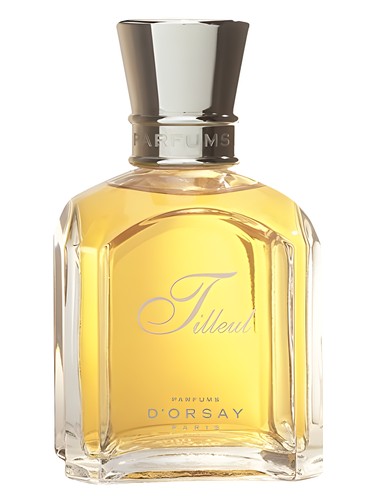
The first spray of Tilleul D''ORSAY delivers an unexpected juxtaposition: watermelon''s crisp, dewy sweetness colliding with angelica''s herbal edge and petitgrain''s bitter-green citrus. It''s a greeting that feels both vintage and oddly contemporary, like stumbling upon a century-old postcard with colors still impossibly vivid. Within moments, that opening trio gives way to what this 1915 creation has always been about—the intoxicating scent of linden blossoms warming in the afternoon sun. This is not a perfume that announces itself with fanfare; it unfurls like a garden gate opening, inviting you into something quieter and altogether more luminous.
The Scent Profile
Tilleul''s unconventional opening notes deserve attention. The watermelon accord—unusual for a fragrance of this vintage—provides a translucent, almost watery sweetness that keeps the composition from becoming too immediately floral. Angelica adds an aromatic, slightly medicinal greenness, while petitgrain contributes its characteristic bitter-citrus bite with subtle woody undertones. Together, they create a fresh, green-gold introduction that lasts only minutes before the heart reveals its true purpose.
The lime blossom (tilleul in French) takes center stage in the heart, and it''s here that the perfume earns its overwhelming 100% sweet accord rating and 99% yellow floral designation. Linden flowers possess a unique, honeyed nectar quality—imagine if sunlight could be distilled into scent. The cyclamen note provides a delicate counterpoint, adding a subtle peppery-green freshness that prevents the linden from becoming cloying. This is the perfume''s longest and most beautiful phase, where it lives as a golden, honeyed floral haze that seems to hover just above the skin.
The base is where Tilleul reveals its vintage pedigree. Hay brings a dried, sweetly herbaceous quality reminiscent of sun-baked meadows, while black locust (another flowering tree) extends the floral theme with its own honey-like character. Beeswax provides the foundation—warm, slightly animalic, and golden—that gives the entire composition its remarkable staying power and that distinctive 79% honey accord rating. This isn''t sharp, waxy beeswax; it''s the soft, slightly sweet variety that smells like the inside of an old wooden church in summer.
Character & Occasion
The community data tells an unambiguous story: Tilleul D''ORSAY is a spring and summer perfume, scoring 99% and 76% respectively for those seasons. This makes perfect sense when you consider that linden trees bloom in late spring through early summer across Europe, their fragrance so powerful it perfumes entire boulevards. This is a daylight fragrance through and through (100% day versus just 14% night), best suited for leisurely mornings, garden parties, and sunlit afternoon activities.
The dominant sweetness and floral character make this decidedly feminine in its presentation—though anyone drawn to honeyed florals should feel welcome to explore it. It lacks the sophistication for evening wear but excels precisely where it''s meant to: as a bottled memory of European summer. Think farmers'' markets, outdoor cafés, reading under a tree with dappled sunlight filtering through leaves. The 91% green accord keeps it from being purely dessert-like, grounding all that sweetness in nature rather than confection.
With its lower scores for fall (22%) and winter (10%), don''t expect this to transition well into cooler weather. The honey and hay notes provide some warmth, but the overall character remains too bright, too transparently floral for cold-weather wearing.
Community Verdict
A rating of 4.18 out of 5 from 1,360 votes represents solid appreciation, particularly for a fragrance over a century old. This isn''t a niche darling with a tiny cult following—more than a thousand people have sought this out and formed opinions. That the rating sits comfortably above 4.0 suggests Tilleul succeeds at what it attempts: delivering an authentic, beautiful linden blossom soliflore with honey-sweet warmth. It''s worth noting that the fragrance maintains this rating despite being unabashedly sweet and singular in vision, suggesting it executes that vision exceptionally well.
How It Compares
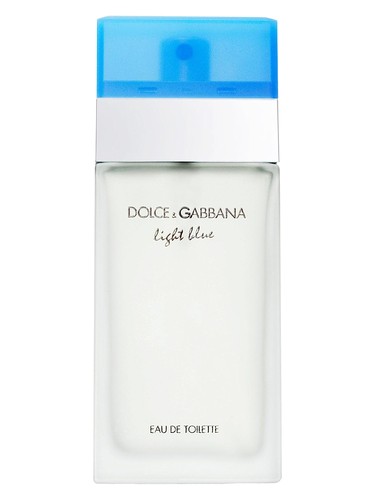
The suggested similar fragrances reveal Tilleul''s place in the honeyed-floral landscape. La Chasse aux Papillons by L''Artisan Parfumeur shares the fresh, linden-forward character with similar green notes. Poeme by Lancôme and Samsara by Guerlain occupy the same vintage-inflected, sweet-floral territory, though both are more complex and conventionally structured. The inclusion of Chergui by Serge Lutens is intriguing—likely connected through shared honey and hay accords, though Chergui ventures into tobacco and incense territory that Tilleul never approaches.
What sets Tilleul apart is its straightforward devotion to a single idea: linden blossom in all its honeyed glory. While modern perfumery often prizes complexity and unusual juxtapositions, there''s something admirable about a fragrance that simply does one thing beautifully.
The Bottom Line
Tilleul D''ORSAY is a time capsule that still functions perfectly well as perfume. Its 4.18 rating from over thirteen hundred voters confirms that honeyed linden blossom hasn''t lost its appeal in 109 years. This isn''t a challenging or experimental fragrance—it''s comfort and beauty in liquid form, best suited for those who prize authenticity over innovation.
The ideal wearer loves sweet florals without apology, prefers daytime scents, and has a romantic sensibility that appreciates vintage aesthetics. If you find modern fragrances too sharp, too abstract, or too concerned with being interesting rather than beautiful, Tilleul offers an alternative. It won''t project powerfully or last all day, but during its golden hours on skin, it delivers exactly what its name promises: the scent of lime trees blooming in a French garden, circa 1915, when beauty needed no justification beyond itself.
KI-generierte redaktionelle Rezension