First Impressions
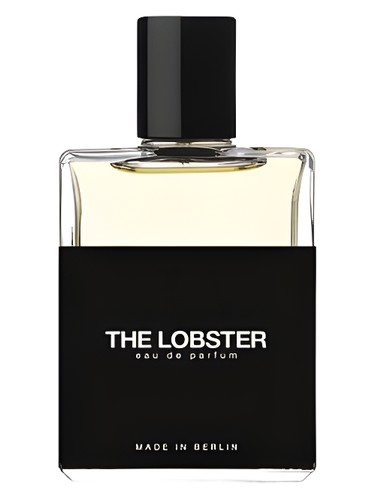
The first spray of The Lobster plunges you beneath the surface—not into crystalline Caribbean waters, but into something far more mysterious. This is the murky realm where freshwater meets forest floor, where roots tangle in saturated soil and pale lily-of-the-valley blooms push through moss-covered stones. The immediate impression is overwhelmingly green and earthy, dominated by cypriol''s smoky, woody-rooty character that feels almost prehistoric. There''s a dampness here, a sense of organic matter breaking down and regenerating, that some will find unsettling and others utterly mesmerizing. This isn''t a fragrance that asks for your approval—it simply exists, confident in its peculiar vision.
The Scent Profile
The opening trio of green notes, cypriol oil, and lily-of-the-valley creates an intriguing paradox. While lily-of-the-valley typically brings delicate, spring-like freshness, here it''s submerged beneath the weight of nagarmotha''s earthy, vetiver-adjacent character. The green notes aren''t the bright snap of cut grass or crisp herbs; instead, they evoke chlorophyll-rich stems crushed underwater, botanical and slightly bitter. This beginning is dark for something so verdant, setting the stage for everything that follows.
As The Lobster settles into its heart, the composition reveals its aquatic intentions more clearly. Water notes emerge—not ozonic or marine, but the smell of actual fresh water, mineral-laden and cool. Green leaves amplify the vegetal quality established in the opening, while cedar adds structure and a whisper of pencil-shaving dryness. This phase feels like wading through a shadowy creek bed, cedar branches overhead filtering dappled light onto fern-covered banks. The progression is less about dramatic transformation and more about gradual deepening, like descending into cooler, darker waters.
The base is where The Lobster truly earns its name—and its devoted following. A complex tapestry of earthy notes and moss creates a foundation that''s simultaneously grounding and unsettling. Myrrh lends resinous depth and a hint of the sacred, while the inclusion of arnica and fenugreek adds an unexpected herbaceous, slightly medicinal quality. These aren''t notes you encounter in typical perfumery, and their presence signals that Moth and Rabbit isn''t interested in playing it safe. Most intriguing are the animal notes lurking in the background—never overtly animalic or challenging, but providing a subtle sense of something living, breathing, moving through this underwater garden. The overall effect is primordial, earthy in the truest sense: smelling of soil, decay, and the persistent life that thrives within it.
Character & Occasion
The Lobster defies conventional wearing occasions. The data shows zero preference for either day or night, which makes perfect sense—this is a fragrance that exists outside normal temporal frameworks. It''s equally suitable for all seasons, though its damp earthiness will resonate differently depending on context. In summer, it provides cool respite, evoking shaded forest streams. In winter, that same quality might feel stark, even austere.
This is decidedly not a crowd-pleaser. Marketed as feminine, The Lobster transcends gender boundaries through its refusal to charm or flatter. It''s for those who find beauty in decomposing leaves, who pause to smell petrichor after rainfall, who appreciate perfume as artistic expression rather than olfactory decoration. Wear it when you want to feel connected to something ancient and elemental, when you''re comfortable standing apart from the crowd, or when you''re in the mood to smell genuinely interesting rather than conventionally appealing.
The mossy, woody, aquatic character makes it surprisingly wearable for such an unconventional composition, but you''ll need confidence. This isn''t background ambiance—it''s a statement about finding beauty in nature''s less photogenic moments.
Community Verdict
With a solid 4 out of 5 stars from 435 votes, The Lobster has clearly found its audience. That rating, combined with a substantial voting base, suggests something compelling enough to generate strong opinions. This isn''t a fragrance that squeaks by with mediocre consensus; people who engage with it tend to appreciate what it''s attempting. The rating indicates a well-executed vision rather than universal appeal—exactly what you''d want from such an idiosyncratic composition.
How It Compares
The Lobster sits comfortably among fragrances that explore darker, more conceptual territory. Its kinship with Lalique''s Encre Noire is evident in the brooding earthiness and woody wetness, though The Lobster feels more aquatic and less purely vetiver-focused. BeauFort London''s Fathom V shares that submerged quality, while Hermann à mes Côtés me Paraissait une Ombre from Etat Libre d''Orange offers similar avant-garde sensibilities. Orto Parisi''s Terroni connects through raw earthiness, though with more animalic heft.
What distinguishes The Lobster is its specific focus on that earth-water intersection, amplified by those unusual botanical choices like arnica and fenugreek. It carves out its own niche in the green-earthy-aquatic triangle.
The Bottom Line
The Lobster isn''t for everyone, and Moth and Rabbit wouldn''t have it any other way. This is perfumery with a point of view, prioritizing atmospheric storytelling over mass appeal. The 4-star rating from over 400 voters validates its quality while acknowledging its deliberately challenging nature.
Should you try it? If you''re drawn to fragrances that smell like actual places rather than abstract prettiness, absolutely. If your collection already includes Encre Noire or Fathom V and you want to explore further into earthy-aquatic territory, The Lobster deserves your attention. If you prefer your greens bright and your florals sweet, this probably isn''t your crustacean.
For those willing to dive into its murky depths, The Lobster offers something genuinely unusual: a perfume that smells like life itself, thriving in the shadows where water feeds earth and green things grow in the dark.
KI-generierte redaktionelle Rezension