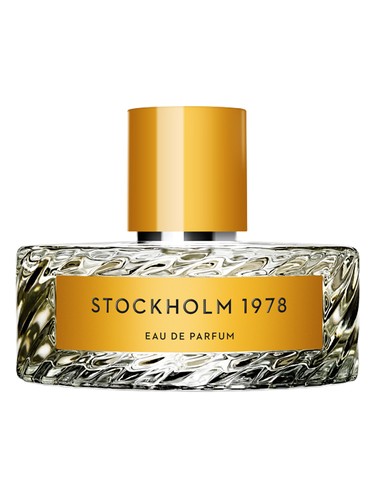
First Impressions
The first spray of Stockholm 1978 lands like a brisk walk through Gamla Stan on an April morning—all sharp angles and unexpected warmth. There''s an immediate jolt of lemon, but this isn''t the sun-drenched citrus of Mediterranean coastlines. Instead, it arrives with a peppery bite that crackles against the skin, tempered by an almond note that adds an almost imperceptible creaminess to the composition. This opening is deceptive in its brightness; beneath the citrus lies something more contemplative, more architectural. Within minutes, the fragrance reveals its true character: a fresh spicy accord that dominates completely, accounting for the full weight of this perfume''s personality, with aromatic undertones following close behind at 82%.
The Scent Profile
The evolution of Stockholm 1978 unfolds with Nordic restraint. That initial lemon-pepper-almond triumvirate gives way surprisingly quickly to the heart, where rosemary and geranium establish an herbal-green foundation that feels more culinary than floral. The rosemary, in particular, asserts itself with confidence—this is the woody, camphoraceous variety you''d find in a Swedish kitchen garden, not the delicate aromatherapy interpretation. The geranium adds a subtle green mintiness that keeps the composition from veering too masculine despite its aromatic intensity.
What''s fascinating about this middle phase is how the woody accord (38%) begins to emerge, creating a bridge between the bright opening and what''s to come. There''s a textural quality here, as if the fragrance is building layers of translucent color rather than painting in broad strokes.
The base notes arrive with earthy conviction. Moss provides a damp, almost Nordic forest floor quality—think lichen clinging to granite rather than the plush oakmoss of traditional chypres. Patchouli weaves through with a clean, unfussy presence, while black amber adds warmth without sweetness. This is where the earthy accord (23%) makes its presence known, grounding all that fresh spiciness into something that can last through a long Scandinavian day. The warm spicy element (31%) persists here too, creating an intriguing tension between cool and warm that never fully resolves—and that''s precisely the point.
Character & Occasion
Despite being marketed as feminine, Stockholm 1978 exists in that increasingly common space where gender categories feel outdated. The data tells a clear story about when this fragrance thrives: spring claims it almost completely at 97%, with fall following closely at 90%. This is a transitional season perfume par excellence, designed for those in-between days when you need a jacket in the morning but not by afternoon.
Summer wearability sits at a respectable 56%—the fresh spicy and citrus accords (30%) provide enough brightness for warmer weather, though the woody and earthy elements might feel heavy in oppressive heat. Winter, at 40%, is clearly not its natural habitat; this perfume needs air to breathe.
The day/night split is even more definitive: 100% day, dropping to just 43% for evening wear. Stockholm 1978 is unabashedly a daytime composition, best suited for productive hours—studio sessions, gallery visits, working lunches, weekend errands that somehow feel purposeful. It''s too brisk, too alert for intimate dinners or late-night contemplation.
Community Verdict
With a rating of 3.57 out of 5 from 441 votes, Stockholm 1978 occupies interesting middle ground. This isn''t a polarizing love-it-or-hate-it fragrance, nor is it achieving universal acclaim. The rating suggests a well-crafted perfume that delivers on its specific vision but may not convert those seeking something more conventionally pretty or crowd-pleasing. For a 2015 release from a relatively boutique house like Vilhelm Parfumerie, this level of community engagement and solid approval indicates a fragrance worth exploring, particularly for those drawn to the fresh spicy and aromatic categories.
How It Compares
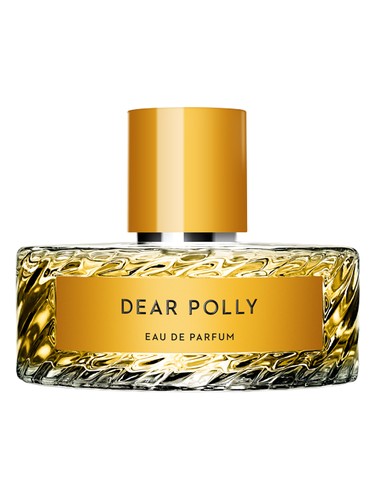
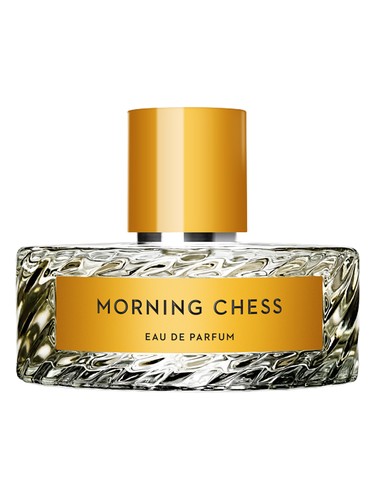
The similar fragrances list reads like a masterclass in contemporary aromatic compositions. The comparison to Terre d''Hermès makes immediate sense—both share that vetiver-citrus-pepper DNA, though Stockholm 1978 skews greener and less overtly masculine. Gypsy Water by Byredo offers another parallel in its woody freshness, while Bal d''Afrique shares a certain sophisticated brightness. The inclusion of two other Vilhelm fragrances—Morning Chess and Dear Polly—suggests a house signature: clean, unexpected takes on familiar structures. Where Stockholm 1978 distinguishes itself is in that persistent aromatic quality; it''s more herbal, more kitchen-garden than any of its comparisons, with the rosemary-geranium heart providing a distinctive signature.
The Bottom Line
Stockholm 1978 is a confident, well-executed fragrance that knows exactly what it wants to be. It''s not trying to seduce or overwhelm; instead, it offers crisp, intelligent companionship for daylight hours across spring and fall. The 3.57 rating feels fair—this is very good rather than transcendent, appealing to a specific sensibility rather than casting a wide net.
Who should seek this out? Those who find traditional florals cloying, who appreciate the smell of fresh herbs more than bouquets, who want a fragrance that feels Scandinavian in its clarity and restraint. If you''ve ever wished for a perfume that captures the feeling of opening windows after a long winter, this might be it. Just don''t expect it to keep you company past cocktail hour.
KI-generierte redaktionelle Rezension