First Impressions
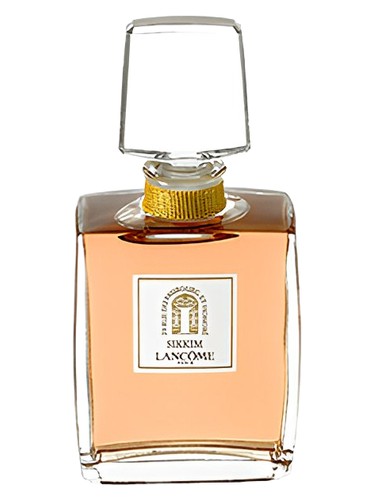
The first spray of Sikkim transports you instantly to a misty alpine forest at dawn. This is no delicate floral whisper—it''s a confident, almost startling green declaration that belongs to an era when feminine fragrances weren''t afraid to show their strength. The opening bursts with the sharp, resinous bite of galbanum, softened only slightly by sparkling aldehydes and an unexpected caraway twist that adds an herbal, almost spiced dimension. Bergamot attempts to lighten the mood, but the gardenia lurking beneath adds a creamy weight that suggests this green opening is merely the first chapter of a much more complex story. Within moments, you understand why Sikkim earned its 4.28 rating from over 500 voters—this is serious perfumery that demands attention.
The Scent Profile
Sikkim''s evolution reads like a carefully orchestrated journey from wild nature into cultivated elegance, then back into primal earthiness. Those opening moments dominated by galbanum and aldehydes create an almost aggressive greenness—the scent of crushed stems and morning dew on leaves. The caraway adds an unusual aromatic quality that keeps you guessing, preventing the composition from settling into familiar territory.
As the fragrance warms on skin, the heart reveals itself with surprising complexity. Carnation takes center stage with its spicy, clove-like character, flanked by the full-bodied richness of rose and the intoxicating sweetness of jasmine. But this isn''t a conventional floral bouquet—narcissus adds a green, almost hay-like undertone, while iris contributes its powdery, rooty earthiness. These florals feel grounded rather than ethereal, their beauty tempered by that persistent green thread running through the composition.
The base is where Sikkim truly reveals its masterful construction. Oakmoss anchors everything with its quintessential chypre character—that damp, forest-floor earthiness that dominated quality perfumery of the 1970s. Leather emerges with subtle strength, adding a refined animalic quality without overwhelming. Vetiver and patchouli deepen the earthy character, while amber provides warmth and subtle sweetness. Most surprisingly, coconut appears in the base—not as tropical sweetness, but as a creamy, almost lactonic softness that rounds out the sharper edges. This base lingers for hours, explaining why the community accords score earthy at 100%, aromatic at 93%, and green at 91%.
Character & Occasion
Sikkim is unequivocally an autumn fragrance, with community data showing fall wearing at 100%. This makes perfect sense—the composition captures that precise moment when summer''s lush greenness begins yielding to earthier, more introspective notes. Winter follows at 60%, where Sikkim''s woody, mossy depth provides sophisticated warmth without the sweetness many cold-weather fragrances rely upon. Spring receives 59%, likely during its cooler, greener moments, while summer trails at just 29%—this is simply too rich and earthy for hot weather.
The day/night split reveals Sikkim''s versatility within its natural habitat. At 90% day wear, it excels as a power fragrance for professional settings, creative work, or any situation requiring confident presence. The 62% night rating suggests it transitions well to evening occasions, though it maintains its serious character rather than turning seductive or overtly feminine.
This is a fragrance for someone who appreciates perfume as art rather than accessory. The 59% leather accord and prominent earthiness make it challenging for those accustomed to modern fruity-florals or gourmands. But for the wearer who values sophistication, complexity, and a connection to perfumery''s golden age, Sikkim offers rewards that justify the search.
Community Verdict
A 4.28 rating from 535 voters places Sikkim firmly in "highly regarded" territory. This is particularly impressive for a discontinued fragrance from 1971—those who take the time to track down vintage bottles or remember it from its original release consistently praise its quality. The substantial vote count suggests a dedicated following rather than a handful of nostalgic reviews, lending credibility to the high rating.
The consistency in these scores indicates that Sikkim delivers what it promises without significant weaknesses or divisive elements. For those who appreciate earthy, green chypres, this fragrance clearly satisfies. The fact that voters continue seeking it out decades after discontinuation speaks volumes about its enduring appeal.
How It Compares
Sikkim sits comfortably among perfumery legends. Its similarities to Miss Dior (the original formulation), Chanel N°19, and Fidji place it in elite company—these are the fragrances that defined sophisticated femininity in the 1970s. Where N°19 emphasizes icy galbanum sharpness and Miss Dior leans more classically floral, Sikkim carves its niche with that distinctive earthy-aromatic character and subtle leather undertone.
The comparison to Knowing by Estée Lauder and its own sibling Magie Noire suggests Sikkim bridges classic chypre structure with more daring, complex elements. It''s perhaps less overtly seductive than Magie Noire, more wearable than Knowing''s heavy-hitting composition, yet maintains the gravitas both possess.
The Bottom Line
Sikkim represents everything compelling about 1970s perfumery—uncompromising quality, complex natural materials, and a refusal to pander to conventional notions of feminine fragrance. Its 4.28 rating isn''t inflated nostalgia; it reflects genuine appreciation for masterful construction.
The challenge, of course, is availability. Discontinued Lancôme fragrances can be difficult to source, and vintage formulations may vary in condition. For those who find it, expect to pay collector prices.
Should you try it? If you treasure Miss Dior or N°19, if you mourn the loss of oakmoss-rich chypres, if you want fragrance that commands rather than pleases—absolutely. Sikkim isn''t for everyone, but for its intended audience, it remains essential wearing decades after its creation.
KI-generierte redaktionelle Rezension