First Impressions
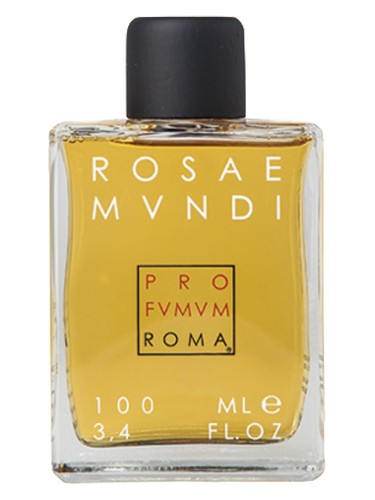
Spray Rosae Mundi and prepare to reconsider everything you thought you knew about rose fragrances. This isn''t the dewy, garden-fresh rose of spring mornings or the powdery, nostalgic rose of your grandmother''s vanity. Profumum Roma''s 2012 creation announces itself with an almost confrontational woodiness—dominant, unapologetic, immediately present. The rose is there, certainly, but it emerges from shadow rather than light, wrapped in something darker and infinitely more complex. It''s the olfactory equivalent of finding Byzantine mosaics in a Roman catacomb: beautiful, yes, but also mysterious, slightly foreboding, and utterly mesmerizing.
The Scent Profile
Without specified note breakdowns, Rosae Mundi reveals itself through its accord architecture—and what an architecture it is. That woody accord at 100% intensity isn''t background material; it''s the foundation, walls, and ceiling of this composition. Imagine aged wood beams in a centuries-old palazzo, darkened by time and touch, slightly dusty, deeply resinous.
The rose follows at 78%, but this is rose reimagined. Rather than floating atop the composition in typical feminine fashion, it''s been pulled down into the wood, bruised and pressed like petals in an ancient book. There''s a jammy quality here, a concentrated essence that speaks more to dried petals than fresh blooms. It''s rose as meditation rather than celebration.
Then comes the patchouli at 63%—not the headshop variety, but the kind that''s been refined and darkened, adding both depth and a subtle sweetness that keeps the woody elements from becoming austere. This is where Rosae Mundi finds its soul: in that interplay between rose and patchouli, each darkening the other, creating something that feels both opulent and shadowed.
The earthiness at 43% grounds everything literally and figuratively. There''s a minerality here, like cool stone touched by centuries of incense smoke. Warm spices flicker at 32%, never dominating but adding complexity—a suggestion of cardamom perhaps, or a whisper of clove. The aromatic element at 25% provides the final layer of intrigue, lending an almost masculine medicinal quality that keeps this firmly away from conventional femininity.
Character & Occasion
The seasonal data tells a story of autumn dominance at 100%, and one wearing makes this abundantly clear. Rosae Mundi is a fragrance that needs cool air to breathe, fallen leaves underfoot, the light turning golden and low. Spring scores strongly at 83%, suggesting this rose has enough complexity to work against fresh greenery and rain-soaked earth. Winter at 72% makes sense for its warmth and density, though this isn''t a cozy-sweater scent so much as a velvet-cloak-in-a-palazzo scent.
Summer''s 27% rating is telling: this is too rich, too enveloping for heat. Wear it in July and you''ll feel weighted down rather than enhanced.
The day/night split (79% day, 71% night) reveals versatility. Unlike many woody-patchouli compositions that lean exclusively evening, Rosae Mundi maintains enough rose character to work in daylight. It''s perfectly suited for gallery openings, afternoon meetings that run into dinner, weekends spent antiquing. This is decidedly not office-casual, but it''s also not exclusively black-tie.
Marketed as feminine, but the wood-forward composition will appeal to anyone who loves perfumes that challenge gender conventions. This is for the wearer who finds traditional florals too sweet, who wants rose but refuses to wear it prettily.
Community Verdict
A 4.1 out of 5 rating across 335 votes positions Rosae Mundi firmly in "very good" territory. This is strong appreciation without unanimous worship—and that makes sense. This isn''t a crowd-pleaser; it''s too unconventional, too woody-dominant for mass appeal. But for those who connect with its shadowed take on rose, the love runs deep. The vote count suggests a devoted following rather than viral popularity, which often indicates a fragrance with real character rather than calculated appeal.
How It Compares
The comparison fragrances reveal Rosae Mundi''s pedigree. Tom Ford''s Noir de Noir and Frederic Malle''s Portrait of a Lady both explore dark, patchouli-laced roses, though Profumum''s entry pushes the woody element further into the foreground. Where Portrait of a Lady maintains classical elegance, Rosae Mundi feels more primal. La Fille de Berlin''s earthy rose shares DNA, while Byredo''s Bal d''Afrique and Tom Ford''s Black Orchid suggest the warm spice and opulent darkness that connects these fragrances.
What distinguishes Rosae Mundi is its refusal to compromise. Where others might balance darkness with sweetness or brightness, Profumum commits fully to the shadow side of rose.
The Bottom Line
Rosae Mundi isn''t for everyone, and it knows it. This is uncompromising perfumery from a brand known for concentration and conviction. The 4.1 rating reflects both its artistry and its selectivity—those who love it truly love it, while others find it too austere, too woody, too much.
If you''re shopping for a pretty rose, look elsewhere. If you want rose as meditation, as dark art, as Byzantine complexity translated to scent—Rosae Mundi deserves your attention. Best experienced in person before buying, as Profumum''s concentrated formulas can be intense. Consider this essential sampling for anyone building a collection of unconventional florals or exploring the darker corners of rose compositions. It won''t be your everyday scent, but it might become the one you reach for when you want to feel like you''re wearing history, mystery, and magnificence in equal measure.
KI-generierte redaktionelle Rezension