First Impressions
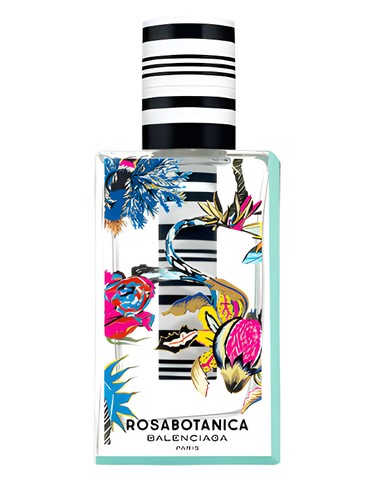
Spray Rosabotanica expecting a romantic rose garden, and you''ll find yourself ambushed by something altogether more botanical. The opening is a shock of green—not the dewy, soft green of spring grass, but the milky, latex-sharp snap of fig leaves being crushed between fingers. This is Balenciaga in 2013, at the height of its avant-garde fashion renaissance under Alexander Wang, and the brand''s contrarian spirit pulses through every molecule. The fig leaf announces itself with an almost aggressive freshness, flanked by the bitter-citrus bite of petitgrain and a fleeting whisper of hyacinth that adds just enough floral legitimacy to justify the name. But make no mistake: this is not your grandmother''s rose perfume, nor perhaps even yours.
The Scent Profile
That dominant green accord—scoring a perfect 100% in profile analysis—isn''t merely an introduction but the fragrance''s entire philosophy. The fig leaf and petitgrain create a tart, vegetal opening that some will find exhilarating and others simply perplexing. The hyacinth adds a cool, aqueous quality, like the scent of stems submerged in a glass vase.
As Rosabotanica settles into its heart, the promised rose finally appears, though it arrives as more of a supporting character than the headliner. This rose has been stripped of its sweetness and romance, rendered lean and slightly peppery thanks to the pink pepper and cardamom that frame it. The grapefruit—an unusual companion for rose—adds a tart, pulpy brightness that keeps the composition from veering into conventional territory. This heart phase reveals why the rose accord registers at only 72% despite the name: it''s there, certainly, but it''s been intellectualized, abstracted, made to serve a larger vision of botanical freshness rather than floral opulence.
The base brings relief in the form of structure. Cedar and vetiver lay down a woody foundation that scores at 90% in the accord analysis, grounding all that green energy with earthy, slightly smoky roots. Patchouli adds depth without going full bohemian, while white amber provides a subtle warmth that never quite crosses into cozy territory. The woodsy notes persist longest, transforming Rosabotanica from its aggressive green opening into something drier, more contemplative, almost austere.
Character & Occasion
The data tells a clear story: this is a spring and summer fragrance, scoring 93% and 72% respectively in seasonal appropriateness. Winter wearers need not apply—a mere 16% suitability rating confirms what the nose already knows. This is a perfume that demands sunshine, fresh air, and perhaps a light breeze to carry its crisp greenness away from the skin.
With a perfect 100% day rating and only 24% for night, Rosabotanica knows its lane. This is a morning-to-afternoon scent, ideal for outdoor lunches, gallery openings, or any occasion where you want to smell polished but unconventional. It''s fresh enough for casual wear but carries enough complexity to avoid seeming simplistic. The 51% aromatic accord adds an herbal, almost cologne-like quality that reads as effortlessly chic rather than overtly feminine.
This is a fragrance for the woman who finds traditional florals tedious, who owns more tailored blazers than ruffled dresses, who approaches beauty with a critical eye rather than romantic notions. It requires confidence to wear something this unapologetically green and deliberately challenging.
Community Verdict
The Reddit fragrance community offers mixed reviews, landing at a 6.5 out of 10 sentiment score—solidly ambivalent territory. Based on 53 opinions, the conversation reveals a fragrance that divides rather than conquers.
The appreciation centers on that unique green opening, with users praising its unconventional approach and intriguing character. Testers note approvingly that it''s not overly sweet despite expectations, and those seeking spring daytime fragrances find it well-suited to the task.
But the criticisms cut deeper. Multiple reviewers point out the elephant in the room: it''s not particularly rosy despite the name, leading to disappointed expectations. Some find it simply underwhelming overall, not memorable or compelling enough to warrant a full bottle purchase. Perhaps most tellingly, the limited number of mentions suggests niche appeal rather than widespread enthusiasm. This isn''t a fragrance inspiring passionate devotion or generating buzz—it''s garnering shrugs.
The community consensus recommends it specifically for spring mornings in fresh, dry weather, worn casually during the day. It''s a fragrance for specific moods and moments, not an everyday signature scent.
How It Compares
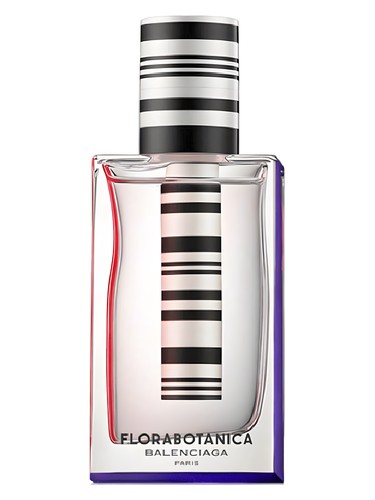
Rosabotanica sits in interesting company. Its sister fragrance, Florabotanica, shares the botanical conceptual approach. The comparison to Hermès Un Jardin Sur Le Nil makes perfect sense—both explore green, vegetal territories with artistic intent. The mentions of Dolce & Gabbana Light Blue suggest a similar fresh, uncomplicated daytime vibe, though Rosabotanica skews more sophisticated.
More surprising are the comparisons to Chanel''s Coco Noir and Coco Mademoiselle—these likely reference the woody base rather than any shared floral elements, as the Chanels are far more conventionally luxurious and evening-appropriate.
The Bottom Line
With a 3.78 rating from 1,682 votes, Rosabotanica occupies the "good but not great" category. It''s technically proficient, conceptually interesting, and well-executed within its vision. The problem is that vision may be too specific, too uncompromising for broad appeal.
Should you buy a full bottle? Only if you''re specifically seeking an unconventional green fragrance and understand that the rose is more concept than reality. This is worth sampling if you''re drawn to botanical, herbaceous scents and tire easily of sweet florals. Skip it entirely if you want anything traditionally pretty, romantic, or versatile.
Rosabotanica represents perfumery as intellectual exercise rather than sensory pleasure—admirable, perhaps, but not always lovable. Sometimes a rose by any other name doesn''t smell as sweet after all.
KI-generierte redaktionelle Rezension