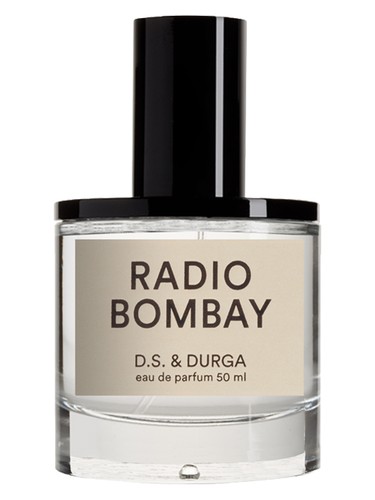
First Impressions
The first spray of Radio Bombay feels like turning the dial on a vintage transistor radio until you catch a signal from another era. There''s an immediate warmth—not the aggressive heat of spice, but the gentle glow of sun-warmed wood. Cedar announces itself clearly, setting a foundation that''s both crisp and embracing. This opening doesn''t shout; it hums with quiet confidence, woody notes forming an envelope that feels simultaneously nostalgic and utterly modern. Within moments, you sense you''re in for something that defies the typical fruity-floral feminine trajectory. This is wood and warmth, with secrets yet to reveal themselves.
The Scent Profile
Radio Bombay''s architecture is built entirely on a sandalwood foundation, but this isn''t a one-note meditation. The opening cedar provides an almost pencil-shaving clarity, bright and slightly dry, before the composition begins its true transformation. As the top notes settle, the heart emerges with surprising complexity—sandalwood takes center stage, but it''s accompanied by an unexpected ensemble.
Here''s where DS&Durga''s storytelling becomes evident: iris lends a subtle powdery quality (captured in that 37% powdery accord) that gives the sandalwood a slightly vintage, cosmetic character. Then comes the surprise—peach and boronia weave through the wood, adding a soft, almost imperceptible fruitiness that never announces itself as "fruity" but rather provides a humanizing warmth. It''s the scent equivalent of golden-hour light filtering through wooden shutters.
The base is where Radio Bombay settles into its true identity. Sandalwood continues its reign, now enriched by coconut that reads more as creamy than tropical (that 26% coconut accord is present but restrained), ambergris adding mineral depth, and ambrette providing a skin-like muskiness. Balsam fir introduces a resinous quality that prevents the composition from becoming too smooth, too comfortable. There''s texture here—the slight roughness of tree bark, the grain of aged wood. The musk in the base ties everything to skin, making this woody composition feel intimate rather than austere.
Character & Occasion
Radio Bombay earns its 98% fall rating honestly—this is a fragrance that captures autumn''s golden light and the comfort of layering back into warmer clothes. But its impressive 79% summer rating reveals something more interesting: this is a wood that breathes. Unlike heavy oud or dense cedar compositions, Radio Bombay''s sandalwood-coconut combination creates something airy enough for warm weather while maintaining presence.
The 100% day rating tells you everything about its character. This is morning coffee and afternoon meetings, sunlight through windows, productivity with warmth. Its 45% night rating isn''t a weakness—it''s a clarity of purpose. Radio Bombay isn''t trying to seduce or intoxicate; it''s trying to accompany, to provide a scented backdrop to your day that''s memorable without being intrusive.
Despite its feminine classification, the dominant woody accord (sitting at 100%) makes this an easy crossover for anyone drawn to sandalwood compositions. The powdery elements provide softness without reading as traditionally gendered, and the overall warmth feels inclusive rather than prescriptive.
Community Verdict
With a 3.91 rating from over 1,000 votes, Radio Bombay sits in that interesting space of being genuinely well-liked without achieving universal adoration. This isn''t a polarizing fragrance, but it''s also not trying to please everyone. The rating suggests a composition that delivers on its promises—it does what it sets out to do, and does it well, even if it doesn''t revolutionize the woody category. For context, this is the rating of a fragrance people return to, recommend thoughtfully, and appreciate for its craft rather than its boundary-pushing innovation.
How It Compares
Radio Bombay exists in interesting company. Its sibling Bowmakers shares that woody DNA with similar craftsmanship. The inevitable comparison to Le Labo''s Santal 33 is warranted—both are modern sandalwood interpretations—but Radio Bombay leans softer, more pillowy, where Santal 33 goes drier and more unisex-aggressive. The connection to BDK''s Gris Charnel comes through that iris-sandalwood combination and powdery quality, while the Maison Martin Margiela By the Fireplace comparison likely stems from the balsam fir''s resinous warmth. Tom Ford''s Oud Wood shares the luxury woody positioning, but Radio Bombay trades oud''s intensity for sandalwood''s accessibility.
Where Radio Bombay distinguishes itself is in that coconut-ambergris base—it creates a creaminess that feels beach-adjacent without going full tropical, adding versatility that some of its comparisons lack.
The Bottom Line
Radio Bombay is a fragrance for those who want their woods comfortable rather than challenging. It''s sandalwood for people who found Santal 33 a bit too austere, who want something with personality but not performance-art levels of projection. At 3.91, it''s a solid execution rather than a masterpiece, but solid executions are often what we reach for most.
The value proposition here is versatility—how many woody fragrances genuinely work in summer heat? The seasonal spread speaks to thoughtful composition. This is a fragrance that won''t limit your wardrobe or your calendar.
Try Radio Bombay if you''re drawn to sandalwood but want something with more layers than a simple wood soliflore, if you appreciate niche craftsmanship without the accompanying pretension, or if you need a woody scent that works for professional settings without smelling corporate. Skip it if you want projection that announces you before you enter a room, or if you need your fragrances to lean traditionally feminine. This is woody warmth with a story to tell—you just have to tune in to hear it.
KI-generierte redaktionelle Rezension