First Impressions
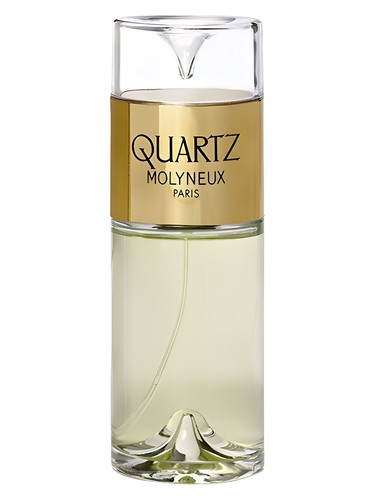
The first spray of Quartz reveals a fragrance that arrives with quiet confidence rather than fanfare. There''s an immediate earthiness here—something mineral and grounded that justifies its crystalline name in unexpected ways. The peach note emerges not as the candied sweetness of modern fruity-florals, but as something dustier, more natural, tempered by the slightly medicinal warmth of cassia and the green, waxy quality of hyacinth. This is not the 1977 you might expect. While its contemporaries were diving headfirst into aldehydic opulence or animalic intensity, Quartz planted its feet firmly in the soil and declared itself something else entirely.
The Scent Profile
The opening movement builds around that peculiar triumvirate of cassia, hyacinth, and peach—a combination that shouldn''t work as well as it does. The cassia brings a cinnamon-adjacent spice without the bakery sweetness, while hyacinth adds its signature green-soapy facet that keeps the peach from becoming too luscious. It''s an introduction that prepares you for the fragrance''s true character: this will be earthy first, fruity second.
As Quartz settles into its heart, the composition reveals remarkable complexity. Orris root—that most expensive and powdery of ingredients—lends a refined earthiness that anchors the entire structure. Here we find melon (an unexpectedly modern touch for 1977) rubbing shoulders with honeysuckle''s nectar-sweet greenness, carnation''s spicy clove facets, and the more traditional jasmine and rose pairing. But these florals never dominate. Instead, they''re woven through that persistent woody-earthy framework, emerging as texture and nuance rather than soloists demanding attention.
The base is where Quartz truly shows its hand. This is a foundation built to last: oakmoss providing that classic chypre bitterness, sandalwood''s creamy wood tones, musk for skin-clinging tenacity, and a supporting cast of cedar, benzoin, amber, and patchouli. Together, they create a dry-down that''s unmistakably woody (100% on the accord scale) and deeply earthy (92%), with the fruit and florals from earlier stages now existing as pleasant memories rather than active players. This is a base that wears close to the skin but refuses to disappear, maintaining that mineral quality that makes the name Quartz feel less like marketing and more like accurate description.
Character & Occasion
The data tells a story that the nose confirms: Quartz is primarily a daytime fragrance, rating 100% for day wear versus 46% for evening. This isn''t a perfume that announces your entrance to a cocktail party. Instead, it''s the scent of capability—something that carries you through a productive autumn day (76% fall suitability) or accompanies the renewal of spring (75%). Its summer rating of 55% suggests it won''t overwhelm in warmth, while its modest 49% winter score indicates it might feel too understated when you crave something more enveloping.
This is a fragrance for those who understand that "feminine" doesn''t require being soft or sweet. The woody-earthy dominance makes Quartz perfect for someone who wants to smell distinctive without being loud, grounded without being boring. It''s for gallery walks, antique browsing, garden planning, and the kind of lunch where ideas matter more than appearances. Wear it when you want to be taken seriously but don''t want to sacrifice olfactory interest.
Community Verdict
With 586 votes yielding a solid 4.02 out of 5 rating, Quartz has earned itself a dedicated following despite not being a household name. This is telling. The fragrance has survived four decades not through massive marketing or countless flankers, but through quality and distinctiveness. That rating suggests broad appreciation from those who''ve discovered it—not universal adoration, perhaps, but the respect of people who value what makes it different.
How It Compares
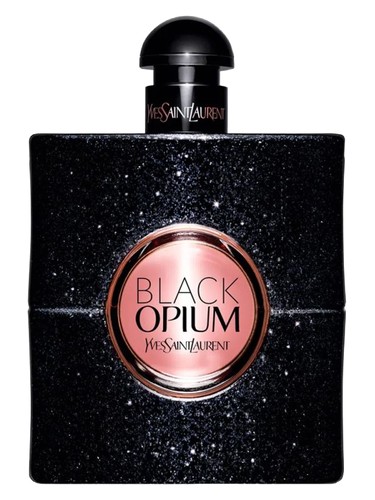
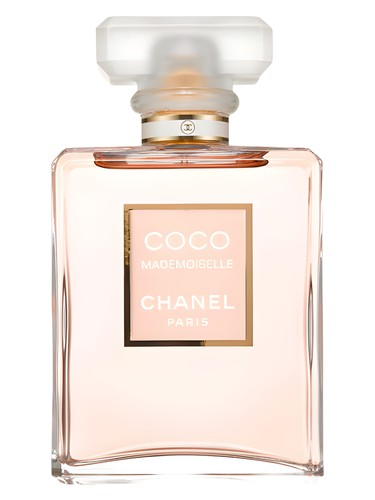
The fragrance finds itself in fascinating company. Its similarities to Fidji by Guy Laroche and Anais Anais by Cacharel suggest that green-floral territory, while connections to Magie Noire by Lancôme and Paloma Picasso indicate its darker, more substantial character. The mention of Calandre by Rabanne is particularly intriguing, suggesting that Quartz shares some of that metallic-green coolness. But where many of these companions lean harder into either their floral or their dark aspects, Quartz maintains its particular balance—earthy and woody first, with everything else in service to that vision.
The Bottom Line
Quartz occupies an unusual space in the fragrance landscape: too substantial to be casual, too understated to be dramatic, too woody to be conventionally feminine, yet too refined to read as masculine. For some, this will be exactly what''s been missing from their collection. For others, it might feel like a perfume without a clear purpose.
The 4.02 rating suggests that those who understand what Quartz is trying to do find it highly successful. This isn''t a beginner fragrance or a safe blind buy. It''s for the collector who has enough sweet florals and heavy orientals and is ready for something that prioritizes earth and wood over prettiness. At its likely vintage or discontinuation status, finding it becomes part of the appeal—a treasure hunt for those who want their perfume collection to include something genuinely distinctive.
If you''re drawn to fragrances that feel mineral rather than edible, substantial rather than sheer, and you appreciate when a perfume from the 1970s doesn''t smell like every other offering from its decade, Quartz deserves your attention. It won''t be love at first spray for everyone, but for the right wearer, it''s a small revelation—proof that "feminine" perfumery has always had more possibilities than the market typically acknowledged.
KI-generierte redaktionelle Rezension