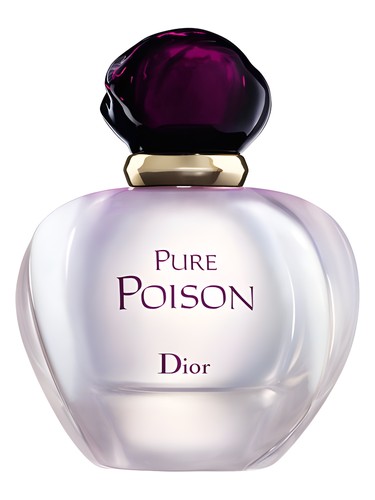
First Impressions
The first spray of Pure Poison is an exercise in contrasts—a luminous burst of citrus that quickly gives way to something far more enigmatic. Within moments, the bright opening of jasmine, orange, and bergamot transforms into a sensation that defies easy categorization. This isn''t the approachable sweetness of mainstream white florals, nor is it the heady intoxication of vintage perfumes. Instead, Pure Poison introduces itself as something deliberately ambiguous: clean yet sensual, powdery yet transparent, warm yet somehow coolly distant. It''s a fragrance that announces its presence with confidence while maintaining an air of mystery that either captivates completely or leaves you searching for the exit.
The Scent Profile
Pure Poison''s architecture is deceptively simple on paper but remarkably complex on skin. The opening trio of jasmine, Sicilian mandarin, and bergamot creates a citrus-floral greeting that''s both bright and substantial. The orange notes add a certain roundness, preventing the composition from veering into sharp territory. But this citrus phase (accounting for 51% of the fragrance''s character) is merely a prelude.
The heart reveals where Pure Poison earns its name and reputation. Gardenia and orange blossom form the white floral core that dominates the scent at 100% intensity. This isn''t the indolic, almost overripe white floral of classic perfumes—it''s cleaner, more abstract, with a peculiar velvety texture that many describe as almost tactile. The white flowers here feel filtered through a modern lens, stripped of some of their natural warmth and given an almost crystalline quality. It''s this distinctive treatment that divides wearers so sharply.
The base brings unexpected depth with sandalwood, white amber, cedar, and white musk creating a woody foundation (30% of the composition) that grounds the floral intensity. The powdery aspect (18%) emerges here, along with subtle animalic undertones (also 18%) that add a skin-like warmth. The white musk provides that clean, enveloping sensation that fans describe as angelic, while detractors find chemical or synthetic. A whisper of sweetness (15%) softens the edges without ever crossing into gourmand territory.
Character & Occasion
Pure Poison''s versatility is one of its most intriguing qualities, though "versatile" doesn''t mean "universally wearable." The data reveals a fragrance equally suited to winter and spring (both at 90%), with strong fall performance (80%) and surprisingly moderate summer appeal (49%). This suggests a composition with enough presence to cut through cold weather while maintaining the fresh white floral character that keeps it from feeling suffocating.
The day-to-night adaptability is particularly noteworthy—it scores 100% for daytime wear and 91% for evening, making it that rare fragrance that transitions seamlessly from boardroom to dinner. This chameleon quality stems from its neither-here-nor-there character: not quite fresh enough to be relegated to office-only wear, not heavy enough to save exclusively for night. It occupies that sophisticated middle ground where elegant meets sensual without tipping fully into either camp.
Community Verdict
The r/fragrance community''s assessment of Pure Poison, based on 68 opinions, tells a story of sharp division with a sentiment score of 6.8 out of 10—solidly mixed. The passionate advocates praise its unique velvety, enveloping character with clean notes that feel sophisticated rather than sterile. They celebrate its versatility, noting it works across multiple occasions with impressive longevity and sillage. The descriptor "sensual yet sophisticated" appears repeatedly, with fans appreciating how it manages depth without heaviness.
But the critics are equally vocal. The most common complaint centers on that very distinctiveness—some wearers find it unpleasant or overtly chemical-smelling, suggesting the modern white floral treatment doesn''t translate well on all skin chemistries. The powdery, cold quality that some find elegant others perceive as off-putting or even lifeless. Multiple community members flag Dior''s limited sampling availability as problematic, warning against blind buying what is admittedly an expensive fragrance with such polarizing reception.
The consensus? Pure Poison absolutely requires testing before purchasing. It''s recommended for evening wear and summer days, with several users suggesting it layers beautifully with gourmand scents for those seeking additional warmth.
How It Compares
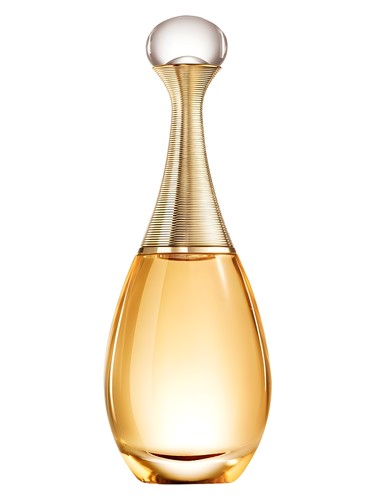
Pure Poison exists in distinguished company among white florals of the early 2000s. Its siblings in scent include Armani Code for Women, Alien by Mugler, and Dior''s own J''adore—all fragrances that attempted to modernize the white floral for a new generation. Where J''adore leans warmer and more traditionally beautiful, Pure Poison takes a cooler, more abstract approach. Compared to Alien''s intense solar quality or Narciso Rodriguez For Her''s musky sensuality, Pure Poison offers something more restrained and envelope-like. Among this category, it occupies the intellectual corner—appreciated more for its distinctive construction than its immediate beauty.
The Bottom Line
With a 4.04 out of 5 rating from over 17,000 votes, Pure Poison maintains respectable popularity despite its divisive nature. This is a fragrance for those who appreciate perfumery that challenges rather than comforts, who want their white florals filtered through a modern, almost architectural sensibility. It''s not a safe choice, nor an easy one.
The value proposition becomes tricky given the price point and polarizing reception. For those whose skin chemistry harmonizes with its particular frequency, Pure Poison offers a distinctive signature that stands apart from more crowd-pleasing options. But the community warnings about sampling are legitimate—this is not a blind-buy candidate regardless of how many white florals you''ve loved before.
Who should seek it out? Those drawn to clean, sophisticated fragrances with an edge. Wearers who find most white florals too sweet or heavy. Anyone intrigued by the idea of sensuality expressed through restraint rather than excess. And perhaps most importantly, those willing to accept that not every fragrance needs to be universally loved to be individually perfect.
KI-generierte redaktionelle Rezension