First Impressions
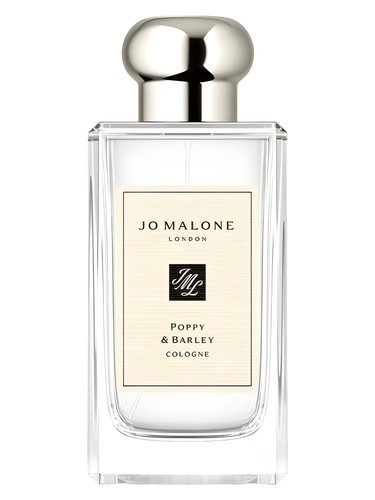
The first spray of Poppy & Barley is an exercise in contradictions—at once familiar and utterly unexpected. Jo Malone London has built its reputation on pairing unlikely partners (tomato leaf with anything, for instance), but this 2019 release might be their most audacious countryside fantasy yet. The opening is a dusky violet-fig accord softened by black currant, creating a haze that feels both fruity and somehow powdery from the very first moment. It''s not the bright, jammy fig you might expect, nor the sharp green snap of crushed violet leaves. Instead, everything arrives pre-softened, as though viewed through a gauzy filter—like stumbling upon a field of wildflowers at golden hour, the edges already blurred by fading light.
The Scent Profile
The architecture of Poppy & Barley reveals itself in waves rather than distinct chapters. That initial violet-fig-currant trio doesn''t so much disappear as dissolve into the heart, where the fragrance''s true character emerges. Here, the promised cereal notes—wheat, poppy, and the titular barley—create something genuinely unusual in the feminine fragrance landscape. These aren''t literal grain notes; you won''t smell like a bakery or a bowl of oatmeal. Rather, they manifest as a kind of warm, slightly nutty softness that amplifies the powdery accord dominating the composition.
The poppy itself is rendered as a gentle floral whisper rather than a botanical shout, while the wheat brings an unexpected creaminess that bridges the fruity opening with the musky drydown. This is where the fragrance earns its 100% powdery accord rating—not through iris or cosmetic violet (though violet certainly contributes), but through this clever interplay of soft fruits, gentle florals, and cereal warmth.
As Poppy & Barley settles into its base, barley, white musk, and bran create a skin-like finish that hovers close to the body. The white musk is clean without being detergent-sharp, while bran adds a subtle woody-dry quality that keeps the sweetness in check. The fruity elements from the opening persist throughout, never fully retreating, which explains the 83% fruity accord rating. This isn''t a fragrance of dramatic transformations—it''s a study in sustained softness, maintaining its gauzy, powdery-fruity character from first spray to final whisper.
Character & Occasion
The community has spoken decisively about when Poppy & Barley shines: this is a daytime fragrance par excellence, scoring 100% for day wear while managing only 22% for evening occasions. And frankly, that assessment is spot-on. This is a fragrance that belongs in natural light—it craves sunshine filtering through linen curtains, outdoor cafés, weekend markets, and afternoon garden parties.
Seasonally, Poppy & Barley is quintessentially a warm-weather scent, dominating in spring (97%) and summer (83%) while maintaining respectable fall credentials (64%). Winter, at 27%, is clearly not its natural habitat, and that makes sense given its airy, powder-soft construction. This is a fragrance that evaporates in the cold, both literally and conceptually—it needs warmth to bloom.
Who is this for? Anyone seeking an alternative to conventional fruity florals will find much to love here. It''s decidedly feminine without being girlish, sophisticated without being austere. The powdery-cereal combination makes it particularly appealing for those who find typical fruit-forward fragrances too sweet or juvenile but still want something approachable and pretty. It''s office-appropriate yet interesting enough for weekend wear, making it a versatile daily signature for spring and summer months.
Community Verdict
With a rating of 3.97 out of 5 from 1,866 voters, Poppy & Barley sits comfortably in "very good" territory—well-liked but not universally adored. This is a solid rating that suggests a fragrance with clear appeal but also some limitations. The relatively high vote count indicates genuine interest from the fragrance community, while the rating itself points to a composition that delivers on its promise without necessarily exceeding expectations. For a Jo Malone release, which tends to court both devotees and critics, this represents a respectable consensus: it''s worth exploring, particularly if its unique accord profile speaks to you.
How It Compares
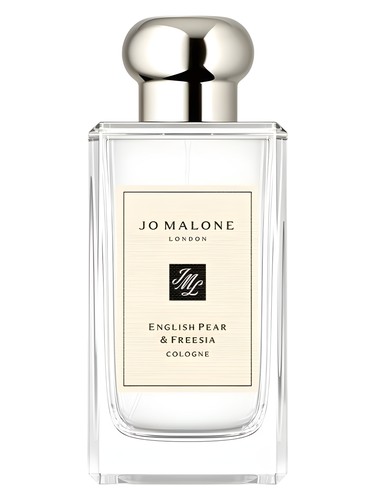
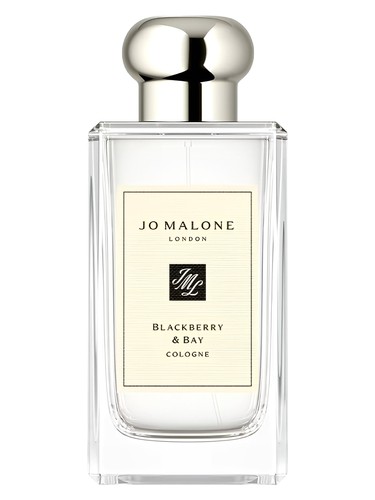
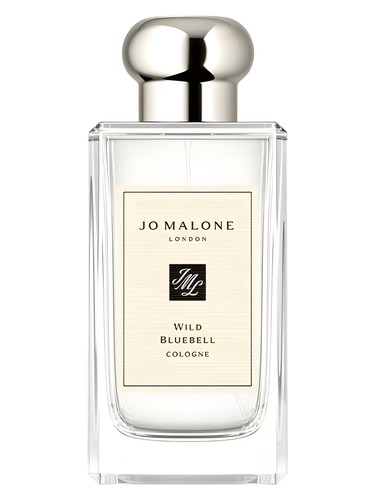
Jo Malone London has created something of a cottage industry in English countryside interpretations, and Poppy & Barley shares DNA with several stable-mates. It''s notably similar to English Pear & Freesia and Nectarine Blossom & Honey—both powdery-fruity compositions that emphasize softness over punch. Wild Bluebell and Blackberry & Bay round out the family resemblance, though Poppy & Barley distinguishes itself through those unusual cereal notes.
The comparison to Chanel''s Chance Eau Tendre is telling—both occupy that powdery-fruity space with violet-forward compositions, though Chance Eau Tendre is arguably more polished and sophisticated, while Poppy & Barley leans into rustic whimsy. Where Poppy & Barley stands apart is in its commitment to that grain-meets-bloom concept, giving it a warmth and earthiness that most powdery florals lack.
The Bottom Line
Poppy & Barley is a fragrance that knows exactly what it wants to be: a soft, powdery daydream of English fields rendered in fruity-floral strokes. It won''t challenge you, seduce strangers across rooms, or announce your arrival. What it will do is create a personal cocoon of pretty, wearable softness that works beautifully for daytime spring and summer wear.
At 3.97/5, it''s not a masterpiece, but it doesn''t need to be. It''s a reliable, pleasant companion for those who appreciate Jo Malone''s aesthetic of understated elegance with a twist. The cereal notes provide just enough interest to elevate it beyond standard fruity-floral territory, while the dominant powdery character ensures broad appeal.
Should you try it? Absolutely, if you''re drawn to soft, daytime fragrances with personality but not pyrotechnics. If you loved English Pear & Freesia but wished it had more warmth, or if you find Chance Eau Tendre too refined, Poppy & Barley might be your sweet spot. Just don''t expect it to work magic on winter evenings—save it for sunny days when its gentle countryside poetry can truly bloom.
KI-generierte redaktionelle Rezension