First Impressions
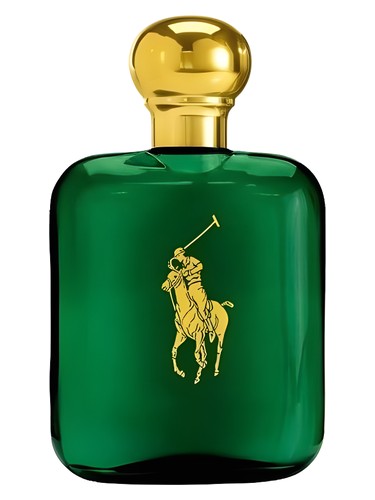
The first spray of Polo is an unapologetic declaration—a forest condensed into liquid form, sharp with juniper and bitter artemisia cutting through the air like a machete clearing undergrowth. This isn''t a fragrance that whispers; it announces. The opening is aggressively green, almost confrontationally herbal, with basil and coriander swirling through bergamot in a composition that immediately transports you to 1978, when power suits had shoulder pads and subtlety was considered weakness. There''s an immediate understanding: this is the scent that built boardrooms and country clubs, and it carries that history in every molecule.
The Scent Profile
Polo''s architecture is complex, layered with the ambition of an era that believed more was always better. The top notes assault the senses with juniper berries leading the charge—piney, slightly medicinal, undeniably masculine. Basil adds a green, almost culinary sharpness, while artemisia (wormwood) contributes a bitter, absinthe-like edge that''s distinctly old-school. Caraway and coriander provide spicy, almost seed-like textures, all tempered by bergamot''s citrus brightness trying valiantly to add levity to this dense forest canopy.
As the fragrance settles into its heart, pine tree needles reinforce that woody-aromatic character, creating a seamless transition from the opening. Here''s where Polo reveals its sophisticated side: leather emerges, worn and supple like a Chesterfield chair in a gentleman''s club. Chamomile adds unexpected softness, while pepper provides bite. The floral elements—carnation, geranium, jasmine, and rose—might seem delicate on paper, but they''re absorbed into this masculine framework, adding depth and complexity rather than prettiness. They''re spices and textures more than flowers.
The base is where Polo plants its flag and refuses to budge. Tobacco, oakmoss, and patchouli form an earthy, almost primitive foundation that screams "chypre heritage" while the cedar and vetiver add woody dryness. Musk and amber provide warmth and projection that can fill a room—or clear it, depending on your perspective and application philosophy. This base lingers for hours, sometimes days on clothing, a testament to the concentration and construction standards of late-1970s perfumery.
Character & Occasion
The data doesn''t lie: Polo is a cold-weather champion, scoring 100% for winter and 96% for fall. This makes perfect sense—its dense, complex structure needs crisp air to shine rather than overwhelm. Spring sees a 58% suitability rating, viable for cooler days, while summer''s 26% is generous; wearing Polo in heat is a bold choice that borders on biological warfare.
Interestingly, the day/night split is nearly even (84% day, 82% night), suggesting versatility once you''ve chosen the right season. This is a fragrance that works equally well in a business context or evening social settings, though modern sensibilities might find its projection challenging in today''s scent-sensitive workplaces.
The masculine designation feels accurate, though not because of any inherent gender in molecules—rather, Polo embodies a specific vision of 1970s-80s masculinity: confident, unapologetic, wealthy, and entirely unconcerned with blending in.
Community Verdict
The Reddit fragrance community shows decidedly mixed feelings, landing at 6.5/10—a score that reflects more ambivalence than genuine dislike. The 45 opinions analyzed reveal a fragrance caught between respect and reluctance.
On the positive side, Polo earns recognition as a solid starter fragrance—affordable and accessible in stores everywhere, making it an easy entry point for those beginning to explore beyond designer sport scents. Some flankers, particularly Polo Blue Gold Blend and Ultra Blue, have cultivated dedicated followings that appreciate the brand''s evolution.
The criticism is more pointed. The original Polo Blue (often confused with the 1978 Polo in casual conversation) gets labeled as plain and underwhelming by more experienced collectors. Overexposure is a recurring complaint—Polo''s ubiquity in casual settings has diminished its prestige factor. Many users note it''s frequently outperformed by competitors like Acqua di Gio in the broader designer market, though this comparison seems to confuse different fragrance profiles entirely.
The consensus positions Polo as best suited for beginners, casual everyday wear, and budget-conscious shoppers—a far cry from its original positioning as a luxury power scent.
How It Compares
The similar fragrances list reads like a who''s who of masculine classics: Drakkar Noir, Azzaro pour Homme, Encre Noire, Egoiste Platinum, and Guerlain''s Vetiver. What''s notable is the breadth—from aromatic powerhouses to minimalist vetiver compositions—suggesting Polo''s complexity touches multiple fragrance territories.
Against Drakkar Noir and Azzaro pour Homme, Polo feels greener and more natural, less overtly synthetic. Compared to Encre Noire''s dark vetiver intensity, Polo seems almost cheerful. Next to Egoiste Platinum''s refined restraint, Polo is the louder, brasher cousin who doesn''t mind being noticed.
In its category—aromatic woody fragrances with chypre DNA—Polo remains a benchmark, though whether that''s for quality or ubiquity depends on who''s asked.
The Bottom Line
That 3.82/5 rating from 6,660 votes tells a story: this is a fragrance that provokes strong opinions but lands somewhere in the "pretty good" territory for most. It''s neither universally beloved nor dismissed, which perhaps is Polo''s greatest challenge in 2024—it''s become familiar to the point of invisible.
Should you try it? Absolutely, if only for historical education. At its accessible price point, Polo offers remarkable complexity and genuine oakmoss—increasingly rare in modern formulations. For beginners, it''s an excellent teacher about projection, sillage, and how vintage DNA differs from contemporary compositions.
However, approach with realistic expectations. This isn''t a hidden gem or underrated masterpiece; it''s exactly what 45 years of existence has made it—a reliable, well-constructed aromatic that smells unmistakably of its era. Spray sparingly, save it for cold weather, and appreciate it as a time capsule that still happens to smell pretty damn good when the temperature drops and nostalgia calls.
KI-generierte redaktionelle Rezension