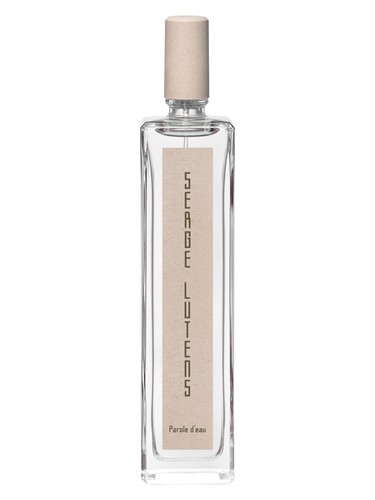
First Impressions
Parole d''Eau—"word of water"—announces itself with a declaration that seems almost ironic. Where you might expect the cool transparency of aquatic notes, Serge Lutens delivers something far more intriguing: a woody declaration that speaks in forest whispers rather than babbling brook. The initial spray reveals a camphoraceous bite wrapped in aromatic greenery, as if water itself had been distilled through cedar and pine. This is water as seen through the filter of earth and bark, a liquid reimagined through the lens of the forest floor after rain. The 2022 release marked Lutens'' return to his signature enigmatic approach, creating something that wears its contradictions proudly.
The Scent Profile
Without specific note breakdowns disclosed, Parole d''Eau reveals itself through its dominant accords—and what a revealing portrait they paint. The woody element reigns absolute at 100%, establishing this as fundamentally a study in timber and bark. But this isn''t your conventional woody fragrance; it''s inflected with a 57% aromatic presence that gives it an almost medicinal edge, herbal and green in a way that feels intentionally austere.
The citrus accord, present at 43%, provides a clever misdirection. Rather than brightness in the traditional sense, it reads more as the essential oil of a crushed conifer needle—sharp, resinous, slightly bitter. This is where the "water" aspect begins to make sense: Lutens seems to be exploring the idea of transparency and freshness without reaching for the expected marine notes or melon-like synthetics that typically signal aquatic fragrances.
The camphor element, substantial at 41%, is perhaps the most distinctive character here. It lends a cooling, penetrating quality that could read as either invigorating or challenging, depending on your tolerance for its medicinal sharpness. Think of eucalyptus oil, of winter balm, of the vaporous quality that rises from a forest in morning mist.
As the fragrance develops, the musky base at 35% provides necessary softness, a skin-like warmth that prevents the composition from becoming too austere. The conifer accord at 27% weaves throughout, connecting the aromatic opening to the woody heart, maintaining that sense of walking through pine groves where the air itself seems to shimmer with volatile oils.
Character & Occasion
The community has spoken decisively about Parole d''Eau''s natural habitat: this is overwhelmingly a summer fragrance (100%), with spring following closely at 91%. The seasons tell us everything we need to know about its character—this is a perfume that breathes, that requires warmth to bloom but never suffocates in heat. The camphoraceous and aromatic qualities that might feel harsh in winter''s dry cold become refreshing and contemplative in warmer weather.
Day wear dominates at 93%, with night barely registering at 16%. This isn''t a fragrance that commands attention in dim lighting or across a crowded room. Instead, it''s a companion for sun-dappled activities: morning hikes, garden work, seaside walks where forest meets shore. It''s introspective rather than projective, creating an intimate scent bubble rather than announcing your arrival.
Marketed as feminine, Parole d''Eau defies conventional gender boundaries with its woody, aromatic intensity. This is for someone who finds traditional florals cloying, who wants the idea of freshness without sweetness, who appreciates the austere beauty of Japanese forest bathing (shinrin-yoku) translated into scent.
Community Verdict
With a solid 3.86 out of 5 rating from 500 votes, Parole d''Eau occupies interesting territory. This isn''t a crowd-pleaser racing toward universal acclaim, nor is it a polarizing experiment that divides opinion into love-or-hate camps. Instead, it''s earned respectable appreciation from a substantial community—the kind of rating that suggests a fragrance with genuine character and a clear point of view, even if that perspective doesn''t resonate with everyone.
The rating tells us this is a fragrance worth exploring, particularly for those already initiated into Lutens'' sometimes challenging aesthetic. It''s not an immediate charmer, but rather a grower that reveals its intelligence over time.
How It Compares
The comparison to Encre Noire by Lalique makes perfect sense—both explore woody darkness with an almost monastic intensity. However, where Encre Noire leans into vetiver''s earthy shadows, Parole d''Eau maintains more transparency through its aromatic and camphoraceous elements.
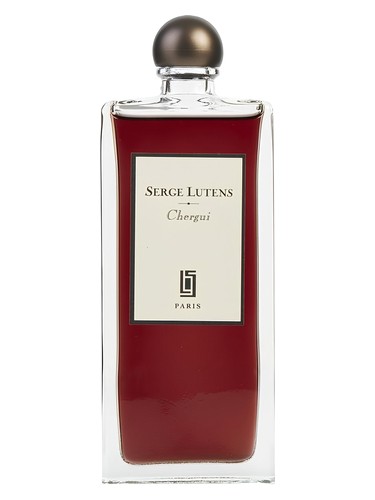
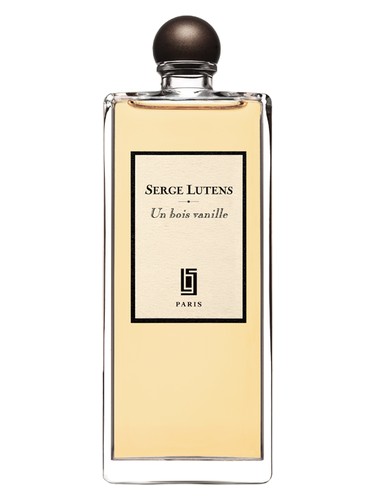
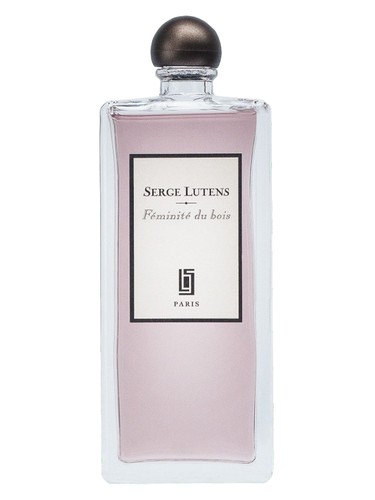
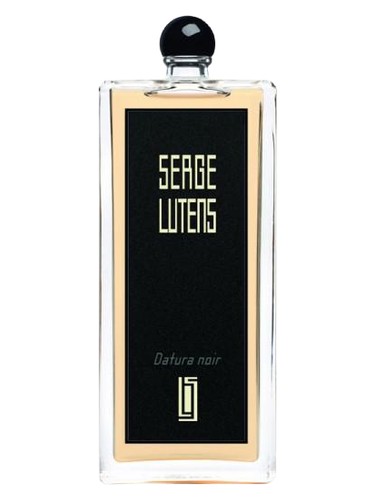
The reference to Fille en Aiguilles, another Serge Lutens creation, points to shared DNA in exploring coniferous woods. Bois Impérial by Essential Parfums and Bal d''Afrique by Byredo suggest the sophisticated woody territory Parole d''Eau inhabits, while the mention of By the Fireplace by Maison Martin Margiela hints at that same contrast between warmth and the outdoors, though approached from opposite directions.
Within this company, Parole d''Eau distinguishes itself through its commitment to the paradox of aqueous woods—water expressed through everything but conventional aquatic notes.
The Bottom Line
Parole d''Eau succeeds as an intellectual exercise in olfactory contradiction, delivering a summer-appropriate woody fragrance that feels both substantial and transparent. The 3.86 rating from 500 voters reflects its niche appeal—this isn''t for everyone, and it doesn''t try to be. Those who gravitate toward unconventional green scents, who find beauty in camphor and pine, who want something genuinely different for warm weather will find much to appreciate here.
It''s best suited for the Serge Lutens devotee ready to explore beyond his more opulent offerings, or for anyone seeking a sophisticated alternative to typical summer fare. If you''ve ever wished for a fragrance that captures the scent of water filtered through forest rather than ocean, Parole d''Eau speaks your language. Just don''t expect it to whisper sweetly—this water has something more interesting to say.
KI-generierte redaktionelle Rezension