First Impressions
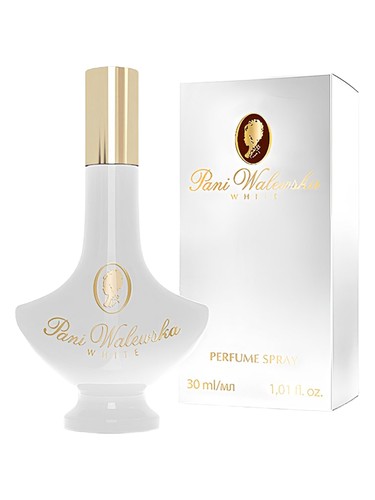
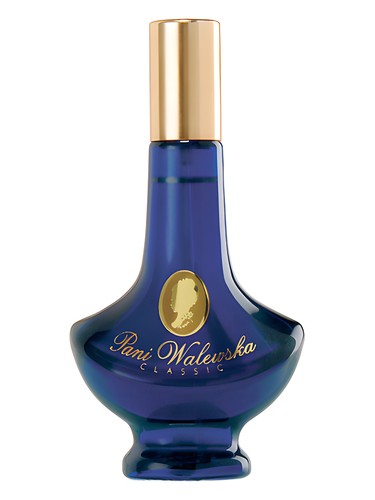
The first spray of Pani Walewska announces itself with the kind of unapologetic aldehydic brilliance that defined an entire era of perfumery. This is champagne bubbles frozen in mid-effervescence, a sharp intake of cold air kissed with something unmistakably soapy and clean. Named after a Polish countess and Napoleon''s lover, this 1971 creation from Miraculum doesn''t whisper—it proclaims. There''s an immediate freshness here that borders on astringent, the kind of sparkling opening that would feel at home in both a powder room at the opera and a grandmother''s pristine vanity. It''s decidedly old-fashioned in the most entrancing way, a portal to when perfumes were worn like armor rather than whispered secrets.
The Scent Profile
Without specific note breakdowns available, Pani Walewska reveals itself through its dominant characteristics—and what characteristics they are. The accord profile tells a fascinating story: aldehydic at its absolute core (registering a full 100%), bolstered by an almost equally powerful fresh quality (99%) and substantial white floral presence (97%).
The aldehydic opening is the star here, that fizzy, almost metallic sparkle that defined classics like Chanel No. 5 and Arpège. It''s the olfactory equivalent of vintage champagne coupe glasses and fur stoles, but with a particular Eastern European sensibility—less opulent, more practical, yet no less sophisticated. This isn''t aldehydes as a supporting player; they''re the leading lady.
As the initial effervescence settles, white florals emerge with dignity rather than drama. The substantial rose accord (37%) weaves through the composition, though it''s not the dewy garden rose of spring mornings. Instead, it feels powdered, slightly abstracted, the way florals present themselves when filtered through a distinctly soapy lens (42%). This soapiness isn''t a flaw but a feature—it''s the clean, pressed-linen quality that made Cold War-era fragrances so distinctive.
The overall floral character remains relatively restrained at 27%, suggesting these blooms are appreciated from a respectful distance rather than pressed close to the nose. Throughout its development, that persistent freshness anchors everything, preventing the composition from ever veering into heavy or cloying territory.
Character & Occasion
The community data paints a clear picture of Pani Walewska''s ideal habitat: this is emphatically a cool-weather companion. Fall receives a perfect 100% rating for seasonality, with winter following closely at 91%. Spring maintains strong showing at 83%, but summer—where it drops to just 34%—is clearly not this fragrance''s natural environment. That aldehydic-fresh opening might seem like it would translate to warm weather, but the overall composition evidently has a weight and presence that demands cooler air to truly shine.
The day versus night breakdown is equally telling: 96% favor it for daytime wear, while 74% still find it appropriate for evening. This versatility speaks to the fragrance''s inherent polish—it''s formal enough for special occasions but never so dramatic that it can''t accompany a Tuesday morning. Think business lunches, museum visits, afternoon concerts, or any occasion where you want to project competence wrapped in understated elegance.
This is a fragrance for those who appreciate perfumery''s history, who find comfort in traditional compositions, or who simply refuse to follow trends. It''s not trying to seduce or provoke—it''s trying to dignify.
Community Verdict
With 910 votes tallying to a 3.42 out of 5 rating, Pani Walewska occupies interesting middle ground. This isn''t a universally adored masterpiece, nor is it dismissed as dated irrelevance. Instead, the rating suggests a fragrance that rewards those who understand its context and intent, while perhaps alienating those seeking modern innovation or immediate accessibility.
That nearly thousand-vote sample size indicates genuine interest and continued relevance more than five decades after its launch. For a perfume from communist-era Poland that never received the marketing might of Western luxury houses, this level of engagement speaks volumes. The rating reflects honest appreciation rather than hype-driven enthusiasm—and there''s something refreshing about that.
How It Compares
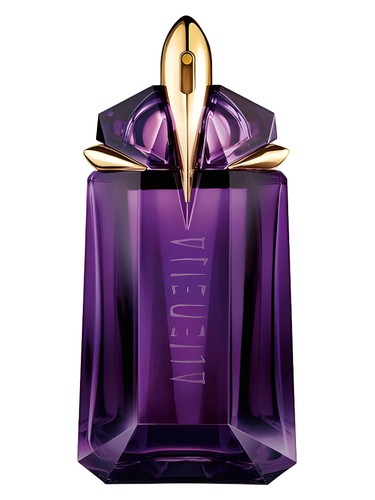
The similar fragrances list reads like a who''s who of elegant compositions: Elizabeth Arden''s 5th Avenue, Gloria Vanderbilt''s eponymous scent, and classic powerhouses like Alien, Organza, and Eden. What''s striking is how Pani Walewska holds its own against these better-marketed competitors. Where 5th Avenue and Vanderbilt share that aldehydic-floral DNA, Pani Walewska often presents as their more austere Eastern European cousin—equally refined but less concerned with commercial palatability.
The comparison to bigger, more oriental fragrances like Alien and Organza suggests that Pani Walewska, despite its fresh opening, develops substantial presence and longevity. It occupies a unique space: aldehydic enough to recall Golden Age classics, fresh enough to feel wearable, and distinctive enough to stand apart from both its vintage inspirations and modern reinterpretations.
The Bottom Line
Pani Walewska isn''t for everyone, and it doesn''t pretend to be. This is a fragrance that asks something of its wearer: an appreciation for historical context, a tolerance for soapy aldehydes, and perhaps most importantly, the confidence to smell decidedly unfashionable by contemporary standards.
At its price point—typically quite accessible given its origins—it represents exceptional value for those seeking genuine vintage character without vintage prices. The 3.42 rating shouldn''t discourage exploration; rather, it should be read as honest assessment from a community that includes both devoted fans and those who simply find it too dated.
Who should seek out Pani Walewska? Lovers of classic aldehydic florals, certainly. Anyone curious about Cold War-era Eastern European perfumery. Those who find modern fragrances too sweet, too simple, or too focused on linear projection. And perhaps most poetically, anyone named Walewska themselves—though Napoleon''s countess would likely approve regardless of your surname.
This is living perfume history, still in production, still sparkling with that indomitable aldehydic brilliance. In an industry obsessed with the next new thing, there''s quiet rebellion in wearing something that''s remained essentially unchanged since 1971.
KI-generierte redaktionelle Rezension