First Impressions
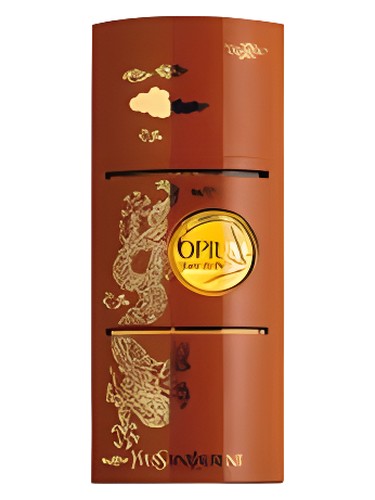
The first spray of Opium Légendes de Chine feels like stepping into a dimly lit Shanghai salon circa 1920—all gilded screens, amber-lit lanterns, and the lingering warmth of exotic spices. This 2007 flanker to the legendary Opium doesn''t announce itself with a sharp citrus greeting or a fresh floral hello. Instead, it envelops you immediately in a golden haze of amber so dominant, so unapologetic, that it sets the tone for everything that follows. This is a fragrance that knows exactly what it is: a full-bodied oriental designed for those who want to leave an impression without saying a word.
The opening doesn''t play coy or build suspense. Within moments, you''re swathed in that signature amber accord—rich, resinous, and slightly sweet—that forms the very backbone of this composition. It''s the kind of scent that makes you want to close your eyes and breathe deeply, letting the warmth settle into your skin like sunlight through honey.
The Scent Profile
What makes Opium Légendes de Chine fascinating is its architectural approach to layering. With amber registering at full intensity in its accord profile, this fragrance builds its structure from the base up rather than following the traditional pyramid. The vanilla note, present at just over half the amber''s intensity, weaves through the composition like threads of cream through strong coffee—softening without diluting, sweetening without cloying.
The balsamic character emerges close behind, adding a resinous depth that gives the fragrance its substantial, almost tactile quality. This isn''t the sharp, medicinal balsamic you might find in some fragrances; instead, it feels rounded and plush, contributing to an overall impression of luxurious weight. The sweetness—hovering at 46%—is carefully calibrated, never veering into dessert territory despite the prominent vanilla. Instead, it feels like the natural sweetness of aged resins and precious woods.
Where things get interesting is in the spice. That warm, spicy accord brings just enough edge to keep the amber-vanilla pairing from becoming too comfortable, too predictable. It''s not about identifiable pepper or cinnamon; rather, it''s an abstract warmth that adds complexity and intrigue. The white floral element, appearing at 43%, likely provides lift and a subtle creaminess that prevents the heavier accords from becoming oppressive. These florals don''t announce themselves as distinct notes but rather create breathing room within the dense, ambered composition.
Because specific notes aren''t detailed in the breakdown, what you experience is more of a seamless amber-vanilla embrace than a journey through distinct phases. This is a fragrance that reveals itself fully within the first thirty minutes and then settles into its luxurious identity for the long haul.
Character & Occasion
The data tells a clear story about when Opium Légendes de Chine shines brightest. With winter scoring a perfect 100% and fall at 99%, this is unquestionably a cold-weather companion. The richness that feels sublime against December''s chill would likely overwhelm on a humid July afternoon—though that 33% summer rating suggests some devotees wear it year-round, likely in air-conditioned spaces or evening settings.
The day-to-night split is particularly revealing: while 61% find it appropriate for daytime wear, a striking 94% endorse it for evening. This makes perfect sense given its intensity and warmth. Opium Légendes de Chine is that rare fragrance sophisticated enough for a winter daytime event—a museum opening, a business lunch in a dimly lit restaurant—yet transformative enough for evening glamour. Picture it with a cashmere coat, low lighting, and deliberate choices.
This is for the woman who appreciates vintage sensibilities with modern confidence. She''s not chasing trends or seeking approval; she knows what she likes and wears it with conviction. Age is irrelevant here—what matters is attitude.
Community Verdict
A 4.35 out of 5 rating from 401 votes speaks volumes. This isn''t a polarizing love-it-or-hate-it proposition, nor is it playing it safe with universal appeal. Instead, it''s found its audience: people who seek out rich, ambered orientals and want them done exceptionally well. That rating suggests consistent satisfaction across a substantial number of wearers—not a small cult following, but a solid base of appreciation.
The score indicates a fragrance that delivers on its promises without major weaknesses, though it''s worth noting that its intensity and specific character mean it won''t be for everyone. Those 401 voters clearly understood what they were getting into.
How It Compares
The company Opium Légendes de Chine keeps is telling. Positioned alongside Chanel''s Coco, the original Opium from 1977, Calvin Klein''s Obsession, Cacharel''s LouLou, and Dior Addict, it sits squarely in the lineage of great French orientals. These are fragrances with history and weight, scents that defined eras and shaped expectations.
Where the original 1977 Opium carved out territory with its revolutionary spice and carnation, Légendes de Chine takes a warmer, more amber-forward approach. It''s less confrontational than Obsession, more overtly sweet than Coco, and more focused than the multi-faceted original Opium. It occupies its own space: softer than its legendary predecessor but no less committed to the oriental vision.
The Bottom Line
Opium Légendes de Chine represents oriental perfumery done with confidence and clarity of vision. That 4.35 rating reflects a fragrance that knows its lane and stays in it beautifully—delivering rich amber, velvety vanilla, and warming spices without apology or compromise. For cold-weather wear and evening occasions, it''s a reliable performer that wraps you in luxurious warmth.
Is it subtle? No. Is it for everyone? Absolutely not. But for those who crave substantial, ambered orientals with vintage sensibilities and modern wearability, this 2007 release deserves serious consideration. It may be harder to find than current YSL offerings, but the hunt is worthwhile for anyone building a serious oriental collection.
KI-generierte redaktionelle Rezension