First Impressions
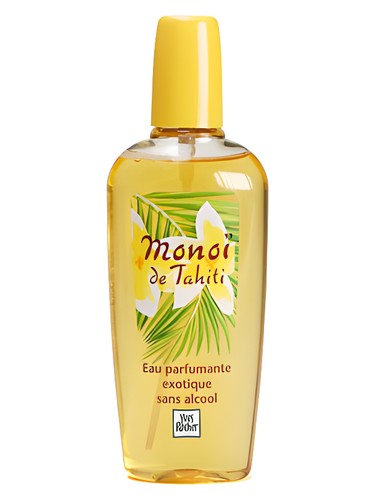
The first spray of Monoi de Tahiti transports you instantly—not gradually, not subtly—to a sun-bleached beach where tiare flowers steep in virgin coconut oil. This is Yves Rocher''s 2010 love letter to traditional Tahitian monoi, that sacred beauty elixir Polynesian women have used for centuries to nourish their hair and skin under the relentless Pacific sun. The fragrance announces itself with unapologetic tropical confidence: creamy, sweet, and so intensely white floral that you can practically feel warm sand between your toes. There''s an immediate lactonic smoothness here, a milky quality that speaks to coconut cream and frangipani petals crushed together in perfect harmony. This isn''t a perfume that whispers—it declares vacation mode from the moment it touches your skin.
The Scent Profile
While Yves Rocher hasn''t disclosed the specific note breakdown for Monoi de Tahiti, the fragrance community has decoded its DNA through collective experience, and the picture they paint is remarkably consistent. The dominant accord is white floral at full intensity—think tiare (Tahitian gardenia), which blooms nowhere else on earth with quite the same intoxicating sweetness. This isn''t your delicate jasmine or restrained tuberose; it''s bold, tropical, and unabashedly heady.
Supporting that floral heart is coconut at 55% intensity, not the suntan lotion synthetic version but something closer to fresh coconut milk mixed with the oil itself. The sweetness factor registers at 47%, which explains why this never veers into dessert territory despite its rich composition. Instead, it maintains that authentic monoi character—sweet, yes, but in the way that natural ingredients express their inherent sugar content rather than added confection.
The fruity dimension (30%) likely comes from the tiare flower itself, which carries subtle peachy and apricot-like nuances when it blooms. A lactonic quality at 19% reinforces that creamy, skin-like texture that makes this fragrance feel more like a scented body oil than a traditional perfume construction. The tropical accord, measured at 17%, ties everything together with whispers of warm breeze, salt air, and that ineffable quality of island humidity that makes flowers smell more vivid.
What''s fascinating about Monoi de Tahiti is its relatively linear development. This isn''t a fragrance of dramatic transformations or surprising drydowns. Instead, it maintains its character from application through wear time, which actually serves its purpose perfectly—it mimics the way traditional monoi oil saturates skin and hair with continuous, unwavering scent.
Character & Occasion
The data speaks unequivocally: this is summer''s fragrance, rating at 100% seasonal appropriateness when temperatures soar. Spring registers at only 18%, while fall and winter trail at 10% and 6% respectively. Monoi de Tahiti knows exactly what it is—a warm-weather essential that would feel as out of place in December as a wool coat in July.
The day versus night breakdown confirms this further, with 81% of wearers choosing it for daytime hours. This makes perfect sense given its bright, sun-kissed personality. It''s the fragrance for beach days, poolside lounging, outdoor brunches where mimosas flow and sundresses flutter. It works beautifully for casual summer evenings—think seaside dinners or sunset cocktails—but might feel too relaxed for formal evening occasions.
Who should reach for Monoi de Tahiti? Anyone who gravitates toward tropical vacations over mountain retreats, who considers sunscreen a welcome scent rather than a necessary evil, who doesn''t mind their fragrance announcing their presence. This isn''t for wallflowers or minimalists. It''s for the woman who wears white linen with confidence, who collects shells, who knows that "beachy" is a valid aesthetic year-round in her heart even if not in practice.
Community Verdict
With 547 votes landing at a solid 3.9 out of 5, Monoi de Tahiti earns respectable marks from its community. This rating suggests a fragrance that delivers exactly what it promises without pretending to be something it''s not. It''s not achieving cult status or converting skeptics, but it''s satisfying its target audience consistently. The nearly 550 reviews indicate decent popularity—people are wearing it enough to form opinions, and those opinions skew positive.
That sub-4.0 rating likely reflects the fragrance''s polarizing nature. If you love tropical florals and coconut, you''ll probably rate this a 4.5 or 5. If those notes aren''t your preference, you''ll score it lower. The aggregate suggests most wearers find it pleasant, well-executed, and fair for its positioning in Yves Rocher''s accessible price point.
How It Compares
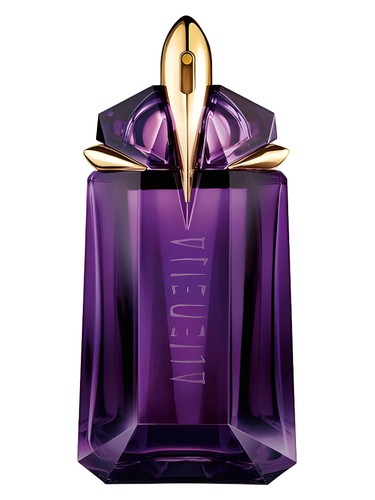
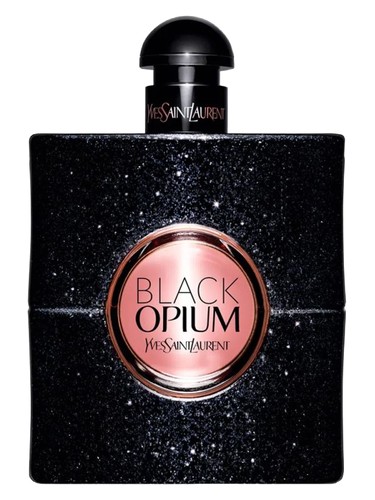
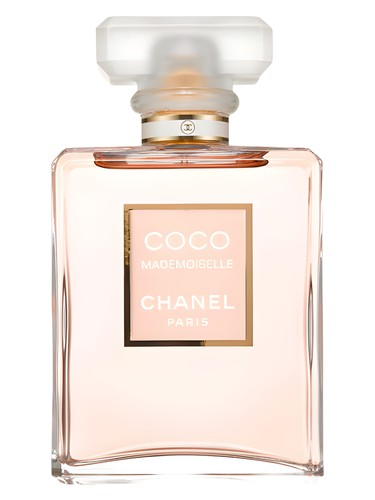
Yves Rocher''s own Monoi Eau des Vahines appears as the closest relative, suggesting the brand explored this tropical territory multiple times. The comparison list takes an interesting turn from there: Organza by Givenchy, Alien by Mugler, Dior Addict, and J''adore by Dior. These connections likely stem from shared white floral intensity and sweetness rather than tropical character. What this tells us is that Monoi de Tahiti occupies a unique position—delivering heady white florals and sweetness at a fraction of the prestige price point, but with a distinctly more casual, beachy personality than its sophisticated cousins.
Where J''adore feels like white florals in a champagne flute, Monoi de Tahiti serves them in a coconut shell with a paper umbrella.
The Bottom Line
Monoi de Tahiti succeeds at its singular mission: capturing the essence of Tahitian beauty tradition in sprayable form. At Yves Rocher''s accessible price point, it offers remarkable value for anyone seeking an authentic tropical escape without the sophistication (or price tag) of niche offerings. The 3.9 rating reflects honest appreciation—this isn''t perfection, but it''s very good at what it does.
Should you try it? Absolutely, if your fragrance wardrobe has a summer-shaped hole, if you''ve ever bought monoi oil for your hair and wished you could wear that scent all over, or if coconut and tiare flower make your heart beat faster. Skip it if you prefer subtle fragrances, dislike sweet florals, or need something office-appropriate. This is vacation in a bottle—uncompromising, unambiguous, and utterly unapologetic about its tropical soul.
KI-generierte redaktionelle Rezension