First Impressions
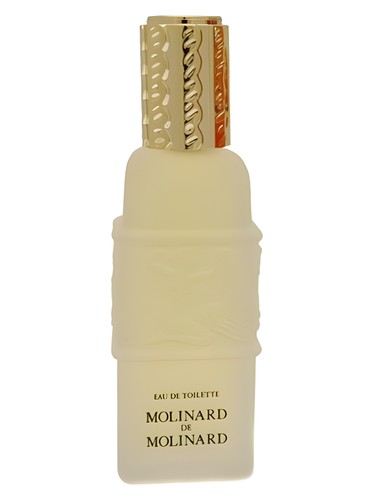
The first spray of Molinard de Molinard announces itself with the crack of a green twig underfoot in a sun-dappled garden. This is not the polite, dewy greenness of modern fragrances—this is 1979 speaking, bold and unfiltered. The opening bursts forth with an almost medicinal sharpness from asafoetida, a note so rarely encountered in contemporary perfumery that it immediately signals this fragrance''s vintage pedigree. Blackcurrant and cassis buds weave through citrus brightness, creating a tart, almost mouth-puckering freshness that feels both fruity and resolutely botanical. This is greenness with backbone, a composition that wears its 100% green accord rating like a badge of honor.
The Scent Profile
The opening act is dominated by those fearless green notes, supported by bergamot and lemon that add sparkle without softening the blow. The asafoetida—a resinous, sulfurous ingredient more commonly found in Indian cooking—lends an unusual, almost savory quality that sets Molinard de Molinard apart from its contemporaries. The blackcurrant contributes a sharp, tart fruitiness (accounting for that 59% fruity accord) that reads more as crushed leaves and stems than jammy sweetness.
As the composition settles, the heart reveals its romantic soul. Narcissus takes center stage, bringing its heady, slightly indolic character that bridges the gap between green and floral. Lily-of-the-valley adds delicate sweetness, while jasmine and ylang-ylang provide creamy depth. Bulgarian rose rounds out the bouquet with its classic, slightly spicy character. This floral heart (reflected in that 46% yellow floral accord) feels lush yet restrained, never veering into cloying territory. The aromatic quality—rated at 58%—comes through as a subtle herbal whisper threading through these blooms.
The base is where Molinard de Molinard reveals its complexity and staying power. Vetiver adds earthy, rooty depth while incense brings smokiness and spirituality. Labdanum, amber, and musk create a warm, resinous foundation that glows with vintage elegance. Patchouli grounds everything with its woody-earthy character, contributing to that 53% woody accord and 39% amber rating. This is a base that transforms the composition from garden party to evening meditation, adding gravitas and longevity.
Character & Occasion
The data tells the story clearly: this is a spring fragrance first and foremost, with 84% seasonal affinity for those months of renewal and growth. It makes perfect sense—Molinard de Molinard captures the essence of a garden coming back to life, all sharp stems and emerging blooms. Summer follows at 56%, where its brightness can cut through warm weather, and fall claims 53%, when its woody-amber base finds harmony with cooler air. Winter, at just 25%, is this fragrance''s weakest season—its green character feels somewhat at odds with the cozy, spicy warmth most seek in cold months.
The day versus night split is even more decisive: 100% day wear versus a mere 28% night. This is a fragrance for sunlight, for productivity, for confidence. It''s the scent of a woman who has places to be and isn''t asking for permission. The assertive green opening and bright florals feel purpose-built for daylight hours, though the sophisticated base does offer enough complexity for early evening occasions if you''re so inclined.
Community Verdict
Here''s where things become intriguing: despite a solid 3.96 out of 5 rating from 498 voters, the Reddit fragrance community appears to have remained largely silent on Molinard de Molinard. The collected discussions yielded no specific opinions, pros, or cons about this particular scent. This silence is telling in its own way—while nearly 500 people have rated it (suggesting decent awareness and trial), it hasn''t sparked the passionate debates that surround either beloved classics or notorious disasters. It exists in that interesting middle ground: appreciated by those who know it, but not quite achieving cult status or widespread discussion in contemporary fragrance circles.
How It Compares
The list of similar fragrances reads like a who''s who of powerful green and chypre feminines from the late 20th century. Safari by Ralph Lauren shares that bold green opening, while Magie Noire by Lancôme offers comparable drama and depth. First by Van Cleef & Arpels and Knowing by Estée Lauder occupy similar territory—sophisticated, assertive fragrances built for women who''ve earned their confidence. Poème by Lancôme represents a slightly softer interpretation of the genre. Among these powerhouses, Molinard de Molinard distinguishes itself with that unusual asafoetida note and its particularly sharp cassis-driven opening, making it perhaps the greenest of an already green category.
The Bottom Line
Molinard de Molinard is not a fragrance for the timid or for those seeking easy-wearing compliments. With its assertive green opening, unusual ingredients, and vintage sensibility, it demands a wearer who appreciates perfumery history and isn''t afraid to smell distinctive. That 3.96 rating reflects its quality and craft—this is well-made perfume from a house with centuries of expertise—while also suggesting it''s not for everyone.
At its price point (typically moderate for a heritage house), it offers excellent value for those seeking authentic vintage character without hunting through estate sales. It''s best suited for spring and summer days when its green vitality can truly shine, and for wearers who appreciate fragrances that prioritize character over mass appeal. If you''ve loved any of its similar fragrances, or if you''re curious about what bold, unapologetic green perfumery smells like, Molinard de Molinard deserves a place on your sampling list. Just don''t expect it to whisper—this green goddess speaks her mind.
KI-generierte redaktionelle Rezension