First Impressions
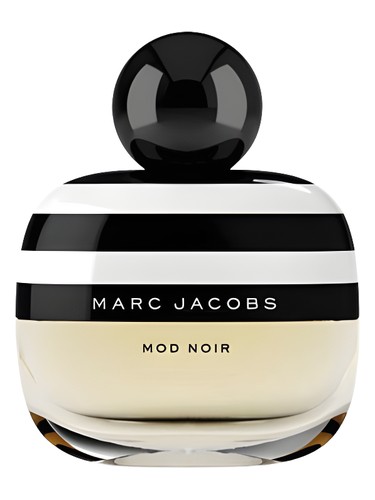
The first spray of Mod Noir delivers what can only be described as a crisp white shirt in scent form—there''s an immediate brightness, almost electric in its freshness, where green notes mingle with the unmistakable zing of yuzu and clementine. This isn''t the syrupy, approachable citrus of your morning orange juice; it''s sharper, more sophisticated, with a verdant edge that suggests dew-covered petals rather than fruit bowls. Within seconds, you understand why this fragrance earned its devoted following: it''s clean without being clinical, bright without veering into screechy territory, and there''s a confidence in its composition that whispers rather than shouts.
The Scent Profile
Mod Noir''s architecture reveals itself as a white floral composition—the dominant accord at 100%—built on a foundation of careful citrus and green contrasts. Those opening notes of yuzu and clementine work in tandem with an assertive green accord (63% prominence) to create an energizing prelude that never overstays its welcome.
The heart is where this fragrance stakes its territory in the white floral pantheon. Gardenia, water lily, tuberose, and magnolia converge in what could have been an overwhelming bouquet but instead maintains a surprising restraint. The tuberose—registering at 28% in the overall accord profile—avoids the creamy, narcotic intensity that defines many tuberose-forward fragrances. Instead, it shares the stage generously with its floral companions, creating a composition that feels airy and translucent rather than dense. The water lily contributes an aquatic coolness that keeps the florals from becoming too heady.
The base takes an unexpected turn with nectarine and orange blossom joining the predictable musk. This fruity finish (sweet accord at 31%) adds a softer, slightly rounded quality to the dry-down, while the orange blossom bridges the citrus opening with the floral heart, creating compositional cohesion. The musk provides just enough skin-like warmth without pulling the fragrance into overtly sensual territory.
Character & Occasion
The data tells a clear story: Mod Noir is overwhelmingly a spring fragrance (90% seasonal suitability), with respectable summer performance (45%) but diminishing returns in cooler months. This is a daytime composition through and through—100% day suitability versus a mere 21% for evening wear. These aren''t arbitrary numbers; they reflect the fragrance''s inherent brightness and the crisp, professional character it projects.
This is the scent equivalent of business casual done right. The community feedback consistently points to office environments and professional settings as Mod Noir''s natural habitat. It''s polished enough for client meetings, subtle enough for close-quarters collaboration, and distinctive enough to feel like a signature rather than an afterthought. The white floral dominance never crosses into bombastic territory, making it appropriate for conservative workplaces where you want to smell good without making a statement about smelling good.
The citrus-green opening (58% citrus accord) provides the kind of fresh-scrubbed cleanliness that translates as put-together professionalism, while the floral heart (55% floral accord) adds just enough complexity to avoid smelling utilitarian. This isn''t a fragrance for date nights or dramatic entrances—it''s for competent Tuesdays and productive Thursdays.
Community Verdict
Here''s where the story becomes bittersweet. With a 6.5/10 sentiment score across 17 community opinions, Mod Noir occupies complicated territory—not because of any inherent flaws, but because of its discontinued status. The mixed sentiment isn''t about the juice itself; it''s about availability and the frustration of replacement.
The pros are telling: this is "beloved" and inspires "loyal fans" who specifically mourn its discontinuation. It earned its reputation as ideal for office and professional settings through actual wear experiences, not marketing speak. But the cons are equally significant—it''s "difficult to find," there''s "limited community discussion available" (likely because newer wearers can''t access it), and those seeking alternatives must settle for imperfect matches.
The most frequently mentioned dupe, Boy Smells Flor de la Virgen, reportedly skews sweeter and fruitier than Mod Noir''s more balanced composition. That devoted wearers are actively seeking and discussing alternatives years after discontinuation speaks to the gap this fragrance left in its absence.
How It Compares
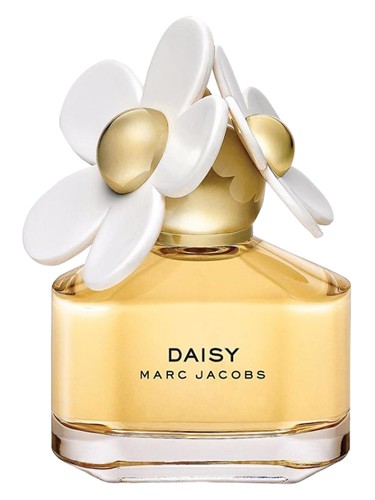
The similar fragrances list reads like a white floral greatest hits compilation: J''adore by Dior, Pure Poison by Dior, Chance Eau Tendre by Chanel, Marc Jacobs'' own Daisy, and Flowerbomb by Viktor&Rolf. Mod Noir sits comfortably in this company with its 3.65/5 rating based on 515 votes—solid if not exceptional.
Where it distinguishes itself is in restraint. Compared to Flowerbomb''s unabashed sweetness or J''adore''s lush opulence, Mod Noir maintains a more measured approach. The 63% green accord keeps it more aligned with Daisy''s fresh-faced sensibility, though the tuberose presence adds sophistication that Daisy intentionally avoids.
The Bottom Line
A 3.65 rating across 515 votes suggests general approval without universal acclaim—and that seems fair. Mod Noir isn''t revolutionary; it''s reliably excellent at a specific job. For those who need a polished, professional white floral that performs in warm weather and office environments, it checked all the boxes.
The tragedy is that "needed" has become past tense. Unless you''re willing to hunt discontinued bottles or settle for an imperfect dupe, Mod Noir exists primarily as a reference point in conversations about what used to work. If you find a bottle at a reasonable price and you fit the target profile—someone who needs sophisticated daytime florals for professional settings—it''s worth acquiring. But for most, this review serves as documentation of what the market lost when Marc Jacobs pulled the plug: a competent, wearable white floral that knew exactly what it was and executed that vision with quiet confidence.
KI-generierte redaktionelle Rezension