First Impressions
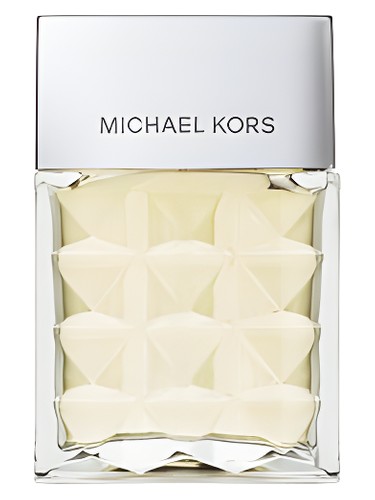
The original Michael Kors fragrance opens with an unexpected marriage of contradiction—the delicate sweetness of freesia brushing against the apricot-toned whisper of Chinese osmanthus, all while incense trails smoke signals through the composition. It''s neither the sharp citrus blast nor the fruit-forward punch that defined early 2000s feminines. Instead, this 2004 release announced itself with quiet confidence, like entering a sun-drenched room where white flowers rest beside smoldering wood.
That opening moment sets the stage for what devotees have described as a "warm-fresh" profile, terminology that sounds oxymoronic until you experience how this fragrance balances its temperature. The incense note—uncommon in mainstream white florals of its era—adds an almost meditative quality, elevating what could have been another department store white floral into something more contemplative.
The Scent Profile
As the Michael Kors fragrance settles into its heart, the composition reveals its true nature: an unabashed white floral powerhouse. Tuberose takes center stage, supported by a chorus of lily, peony, and orris root. This isn''t the green, photorealistic tuberose of niche perfumery, nor is it the synthetic screech that plagued lesser interpretations. Instead, it occupies a middle ground—creamy without being cloying, indolic without turning confrontational.
The accord data tells the story plainly: white floral at 100%, backed by general floral notes at 82%, with tuberose specifically registering at 73%. This is a fragrance that knows exactly what it wants to be and pursues that vision with single-minded determination. But the 34% animalic accord adds crucial texture, preventing the white flowers from floating away into abstraction. There''s warmth here, something almost skin-like that grounds the petals in reality.
The base reveals where Michael Kors truly distinguished itself from its white floral contemporaries. Musk and cashmere wood wrap around Tahitian vetiver, creating a foundation that reads as soft, woody, and subtly musky (30% and 33% respectively). The vetiver variant specified here—Tahitian rather than Haitian—suggests a cleaner, less earthy treatment, one that enhances rather than challenges the florals above it. This base is what allowed the fragrance to work across seasons, adding enough weight for cooler weather while maintaining the freshness that made it wearable in heat.
Character & Occasion
The versatility encoded in this fragrance''s DNA is remarkable. Community data shows it performs nearly equally across all four seasons: spring leads at 79%, followed closely by summer at 67%, fall at 66%, and winter at 62%. This is the signature of a true signature scent—something you could reach for year-round without feeling seasonally inappropriate.
Its day-to-night flexibility (100% day, 80% night) positions it firmly in that coveted "everything fragrance" category. This was the scent you wore to the office knowing it wouldn''t overwhelm in the elevator, yet it possessed enough presence to carry through dinner and drinks. The white floral composition and musky base gave it enough sophistication for evening wear while maintaining the freshness that kept it office-appropriate.
This is quintessentially a feminine fragrance designed for women who wanted one reliable scent rather than a wardrobe of options—the signature scent philosophy that dominated the early 2000s before fragrance collecting became mainstream.
Community Verdict
Here''s where the story turns heartbreaking. Based on 30 community opinions, the sentiment score sits at a dismal 3.5 out of 10—not because the fragrance itself disappoints, but because of a tragedy familiar to perfume lovers: discontinuation.
The praise is effusive when it comes to the juice itself. Users describe it as "highly compliment-worthy and memorable," a "long-lasting signature fragrance" that has maintained a loyal fanbase. Some devotees have worn it for 20-30+ years, speaking to the kind of brand loyalty fragrance companies dream of cultivating. Its profile is noted as "unique warm and fresh compared to modern fragrances," suggesting that whatever Michael Kors captured in 2004 hasn''t been successfully replicated since.
But the cons list reads like a perfume lover''s nightmare: discontinued and extremely difficult to find, with used bottles commanding $200+ on the secondary market. No adequate dupes exist. Most frustratingly, newer Michael Kors releases bearing similar names are "completely different and unrelated"—a common corporate practice that adds insult to injury for longtime fans who briefly hope the brand might have resurrected their beloved scent.
The community''s devastation is palpable, with some resorting to international purchases or paying inflated secondary market prices just to hold onto what they consider irreplaceable.
How It Compares
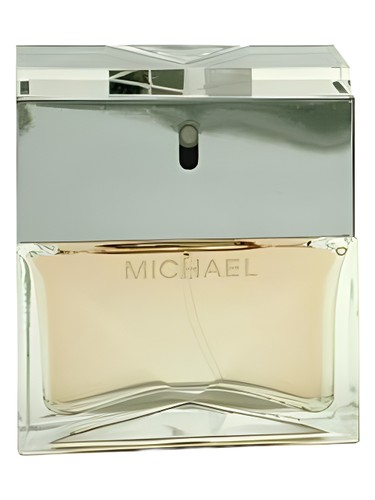
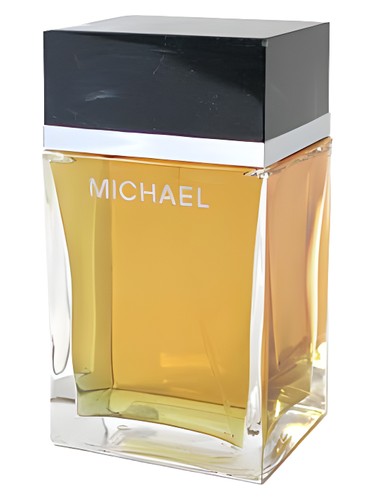
The similar fragrances list offers interesting context: Michael by Michael Kors (presumably a flanker or related release), J''adore by Dior, Alien by Mugler, Pure Poison by Dior, and Narciso Rodriguez For Her. This places the original Michael Kors firmly in the prestige white floral category of the 2000s—that era when tuberose-forward compositions dominated, from fresh interpretations to more ambered, musky treatments.
While J''adore went the fruity-floral route and Alien chose cashmeran amplification, Michael Kors apparently charted a middle course: recognizably floral but with that distinctive incense-touched opening and woody-musky base that gave it character beyond the category standard.
The Bottom Line
With a rating of 3.79 out of 5 from 709 votes, Michael Kors'' original 2004 feminine sits in solid territory—good, well-liked, but perhaps not universally transcendent. That rating likely reflects its mainstream accessibility rather than any fatal flaw. This was a fragrance designed for broad appeal, and it achieved that goal while maintaining enough personality to inspire fierce loyalty.
The value assessment is complicated by unavailability. At original retail prices, this was likely a solid proposition. At $200+ for used bottles? That''s a question only devoted fans can answer for themselves, and based on community data, many are willing to pay.
Who should try it? In an ideal world, anyone seeking a versatile white floral with character—particularly those who find modern releases too sheer or too sweet. In reality, unless you''re prepared for secondary market prices or extensive hunting, this recommendation comes with a caveat emptor. For those lucky enough to find a bottle, you''re not just buying fragrance; you''re buying entry into a devoted community that knows exactly what they''ve lost.
KI-generierte redaktionelle Rezension