First Impressions
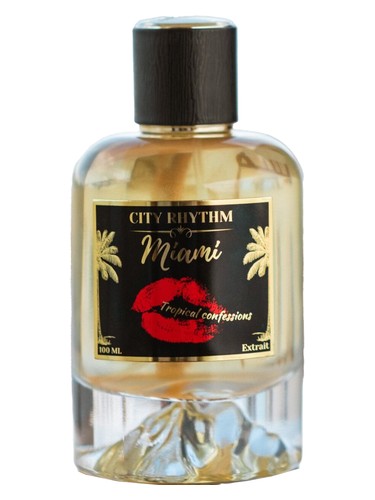
The first spray of Miami Tropical Confessions is like stepping off a plane into humid Miami air—but the glamorous version, where everything smells like luxury resort lobbies and tropical cocktails. There''s an immediate burst of creamy coconut milk tempered by bright lime, creating that perfect sweet-tart balance that makes you think of poolside drinks. But then comes the surprise: hibiscus and sesame weaving through, adding a floralcy that''s both exotic and oddly familiar. This isn''t your standard beachy coconut bomb. City Rhythm has crafted something more nuanced, something that whispers "Miami" rather than screaming "generic tropical vacation."
What strikes you immediately is how the sweetness never veers into cloying territory. That coconut milk note—registering at 71% in the accord breakdown—maintains a certain sophistication, likely thanks to the unexpected sesame adding a nutty, almost savory edge. It''s a bold opening that manages to feel both playful and grown-up, much like Miami itself.
The Scent Profile
The top notes don''t linger long before the heart reveals itself, and this is where Miami Tropical Confessions truly earns its name. White rum accord mingles with vanilla orchid, creating an intoxicating combination that evokes those late-afternoon mojitos that blur into evening. The magnolia and jasmine add layers of white floral richness—and given that the floral accord dominates at 100%, these notes aren''t shy. Yet somehow, they never overwhelm. The jasmine brings its characteristic indolic sensuality, while magnolia contributes a lemony freshness that keeps everything lifted.
The vanilla orchid deserves special mention. It bridges the gap between the coconut-lime opening and the deeper base notes, its creamy sweetness (contributing to that 82% sweet accord) acting as the fragrance''s anchor. This isn''t vanilla extract from your baking cabinet; it''s vanilla with personality, with texture, with the slight boozy edge from that white rum note.
As Miami Tropical Confessions settles into its base, the composition reveals unexpected depth. Tonka bean amplifies the vanilla story with its almond-like warmth, while myrrh—that ancient resinous note—adds a balsamic quality that grounds all that tropical brightness. Sandalwood rounds everything out with its creamy woodiness, accounting for that 47% woody accord that prevents this from being a one-dimensional fruity floral. The base doesn''t so much replace the heart as embrace it, creating a skin-like warmth that lasts for hours.
Character & Occasion
The community data tells a clear story: this is a summer fragrance first and foremost (100% seasonal rating), with strong spring credentials (75%). And honestly, it makes perfect sense. Everything about Miami Tropical Confessions speaks to warm weather—those coconut and citrus notes need heat to truly bloom. But here''s what''s interesting: only 36% found it suitable for fall, and a mere 18% for winter. This is a fragrance that knows its lane and stays in it.
The day versus night split is fascinating—72% for both. This versatility is one of Miami Tropical Confessions'' secret weapons. It''s bright enough for brunch, sophisticated enough for evening cocktails. The floral-sweet composition with woody underpinnings means it transitions seamlessly from beach club to rooftop bar. It''s the rare fragrance that doesn''t demand a specific time of day; instead, it adapts to your mood and the occasion.
This is marketed as a feminine fragrance, and the dominant white florals and coconut certainly lean that direction. But there''s enough woody depth and that intriguing sesame-myrrh combination that adventurous fragrance lovers of any gender could pull it off. It''s for someone who wants to smell expensive and effortless simultaneously—someone who understands that tropical doesn''t have to mean unsophisticated.
Community Verdict
With a rating of 4.49 out of 5 from 350 votes, Miami Tropical Confessions has clearly resonated with its audience. That''s a remarkably high score, especially for a 2023 release that hasn''t had years to build a cult following. The substantial vote count suggests this isn''t a niche oddity but a fragrance that''s finding genuine appreciation across a broad swath of wearers.
Ratings above 4.4 typically indicate a crowd-pleaser with few significant flaws. The community has spoken: this is a fragrance worth your time, your money, and prime real estate on your vanity.
How It Compares
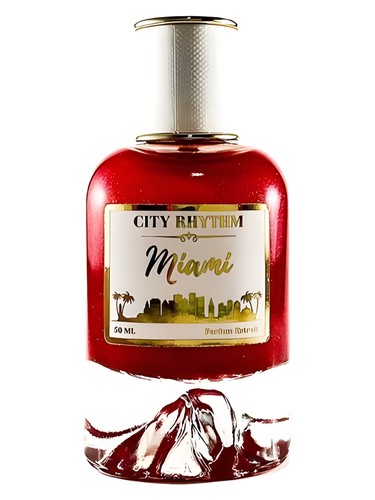
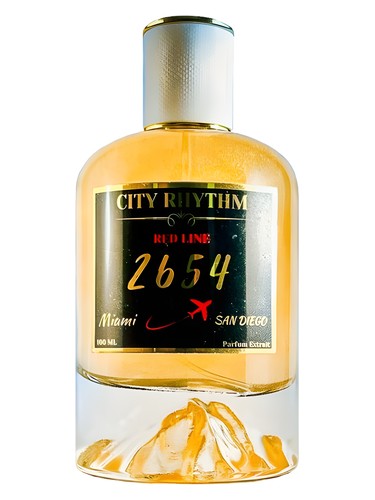
City Rhythm has positioned Miami Tropical Confessions among some interesting company. The similar fragrances list includes stablemates like Red Line 2654 and Miami, suggesting a house style that leans into vibrant, wearable compositions. But then we see heavyweights: Jean Paul Gaultier''s Le Beau Le Parfum, Parfums de Marly''s Althaïr, and Xerjoff''s XJ 1861 Naxos.
These comparisons are revealing. Le Beau Le Parfum shares that coconut-woody DNA, while Althaïr and Naxos bring that tonka-vanilla-spice profile. What sets Miami Tropical Confessions apart is its unabashed tropicality—the hibiscus, the lime, the white rum accord. Where those luxury comparisons might play it safer, City Rhythm leans into the Miami theme with confidence.
Is it as refined as a Xerjoff? Probably not. But at what''s likely a fraction of the price, it doesn''t need to be.
The Bottom Line
Miami Tropical Confessions is that rare thing: a theme fragrance that doesn''t feel gimmicky. City Rhythm has captured something genuinely evocative here—not just "tropical," but specifically Miami''s particular brand of sun-soaked glamour. The 4.49 rating reflects what the composition delivers: a well-balanced, versatile, thoroughly enjoyable fragrance that smells more expensive than it likely is.
Should you try it? If you live for summer, if you''re hunting for a signature warm-weather scent, or if you simply want to smell like the best version of a tropical vacation, absolutely. It won''t challenge your perceptions of what fragrance can be, but it will make you smell fantastic from May through September—and possibly earn you more than a few "what are you wearing?" questions along the way.
KI-generierte redaktionelle Rezension