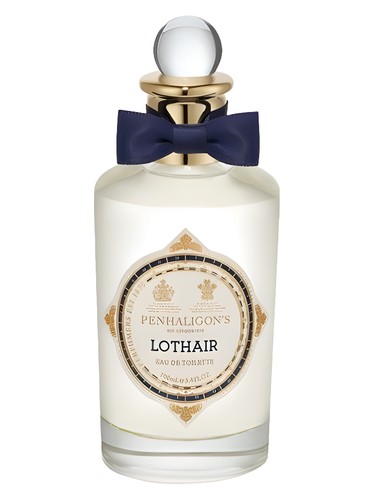
First Impressions
The first spray of Lothair delivers an unmistakable jolt of contradiction. Here is a perfume marketed to women that opens with the crisp, gin-soaked bite of juniper berries, the resinous snap of cardamom, and the verdant crush of fig leaves—a trio more commonly found gracing the collars of tailored suits than adorning décolletage. The bergamot and grapefruit add brightness without sweetness, while red berries provide just enough fruit to remind you this isn''t actually a men''s cologne. It''s an audacious opening, one that feels less like walking into a powder room and more like stumbling into a secret garden where the hedges are trimmed with surgical precision and gin and tonics wait on silver trays.
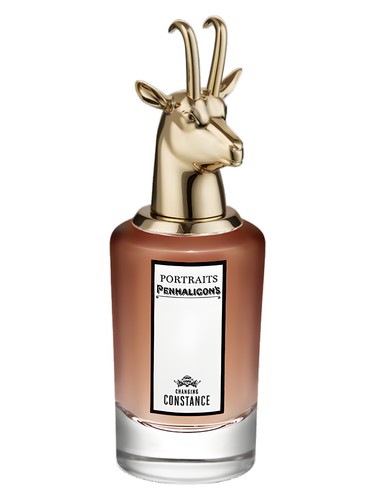
This is Penhaligon''s at its most playfully subversive, released in 2014 as part of the brand''s Portraits collection—a series of fragrances inspired by British aristocracy with all its quirks and contradictions intact.
The Scent Profile
Lothair''s evolution reveals a masterclass in balancing traditionally masculine architecture with softer, more nuanced accords. The juniper-led opening dominates for a good twenty minutes, its pine-like freshness mingling with the citrus oils to create an almost botanical cologne effect. The cardamom adds a dry spiciness that prevents the composition from veering too fresh, while fig leaf—green, milky, and slightly bitter—grounds everything with an earthy sophistication.
As the fragrance settles into its heart, something unexpected happens: the aggressive aromatics soften into a more contemplative middle phase. The fig tree note emerges fuller and rounder than its leafy counterpart, bringing a woody creaminess that serves as a bridge between the sharp top and what''s to come. Black tea appears as a subtle tannin, adding depth and a certain British refinement (naturally). Lavender weaves through with its herbal-floral duality, while geranium contributes a slightly rosy, minty facet. The magnolia is barely perceptible—a whisper of white petals that keeps this from becoming entirely masculine.
The base is where Lothair reveals its true nature as a woody fragrance first, feminine scent second. Cedar provides the structural backbone, joined by broader woody notes that create a forest-floor effect. Vanilla brings sweetness without gourmand tendencies—it''s more about rounding edges than creating dessert. Ambergris adds a saline, skin-like warmth, while musk provides soft diffusion. The oakmoss, likely in its modern synthetic form, delivers that classic chypre-adjacent earthiness that feels both vintage and contemporary.
What''s remarkable is how the main accords data tells the story: 100% woody, 85% aromatic, and descending from there through fresh spicy and green territories. This is fundamentally a woody-aromatic composition that happens to be marketed to women, not a floral perfume with woody tendencies.
Character & Occasion
The community data reveals Lothair as an overwhelmingly daytime fragrance (100% day versus 48% night), and this makes perfect sense. Its crisp aromatic profile and moderate sillage feel most at home in natural light—garden parties, weekend brunches, countryside walks, or professional settings where you want to project competence with a twist of personality.
Seasonally, Lothair shines brightest in fall (99%) and spring (98%), those transitional periods when the air carries both warmth and coolness. Summer wearability sits at 61%, suggesting it works well enough in heat but might feel a touch too structured for the beach. Winter at 55% makes sense too—while it has warmth, it lacks the heavy resinous or gourmand qualities that define cold-weather staples.
Who should wear Lothair? Anyone tired of the sweet-floral-vanilla trajectory that dominates contemporary feminine perfumery. This is for those who find themselves drawn to the men''s fragrance counter, who appreciate tailored clothing and dry wit, who order their martinis dirty and their tea without sugar. It''s androgynous without trying too hard, sophisticated without being stuffy.
Community Verdict
With a rating of 4.29 out of 5 from 958 votes, Lothair has found its admirers. This is a strong showing that suggests genuine appreciation from those who''ve worn it, though the relatively modest vote count indicates it remains something of a hidden gem within Penhaligon''s extensive catalog. The rating places it firmly in "excellent" territory—a fragrance that delivers on its promise and rewards those willing to explore beyond mainstream offerings.
How It Compares
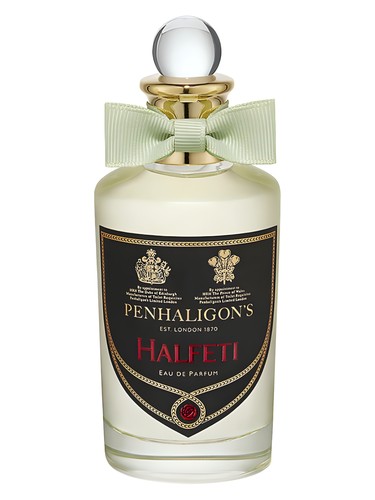
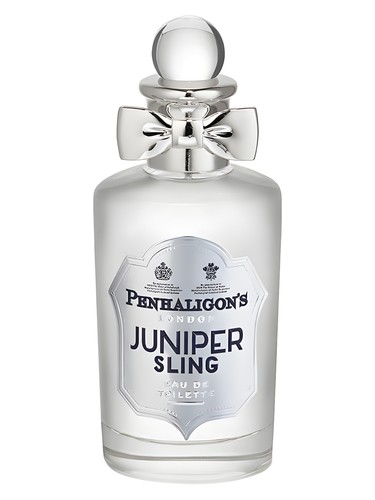
The similar fragrances list reads like a who''s who of sophisticated masculine and unisex compositions: Juniper Sling (Penhaligon''s own gin-inspired creation), La Nuit de l''Homme, Terre d''Hermès, Halfeti, and Encre Noire. This company alone tells you everything about Lothair''s DNA. It shares Juniper Sling''s botanical gin inspiration, Terre d''Hermès''s citrus-woody elegance, and Encre Noire''s dark vetiver-adjacent earthiness, while maintaining enough floral and fruity elements to justify its feminine categorization. Within Penhaligon''s Portraits collection, it stands as one of the more unconventional feminine entries.
The Bottom Line
Lothair succeeds precisely because it refuses to play by the rules. While other brands blur gender lines by adding lavender to sugary vanillas, Penhaligon''s went the opposite direction: building a fundamentally masculine structure and trusting women to appreciate quality construction regardless of marketing categories. The 4.29 rating from nearly a thousand voters validates this approach.
Is it for everyone? Absolutely not. Those seeking traditional femininity, projection monsters, or evening glamour should look elsewhere. But for those who appreciate the smell of a proper gin and tonic, who find beauty in restraint, and who want something genuinely different on their shelf, Lothair offers exceptional value—assuming you can find it, as it''s less ubiquitous than Penhaligon''s crowd-pleasers.
This is perfumery as quiet rebellion, a reminder that the best fragrances aren''t always the ones that announce themselves loudest, but the ones that make you reconsider what you thought you knew.
KI-generierte redaktionelle Rezension