First Impressions
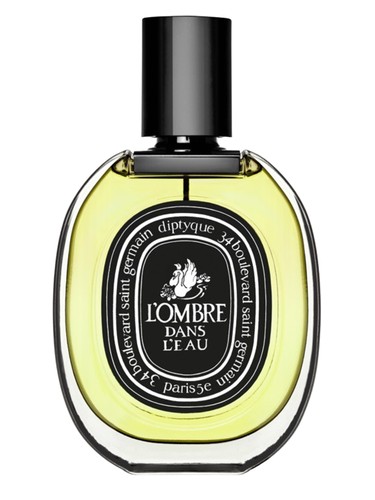
The first spray of L''Ombre Dans L''Eau Eau de Parfum transports you directly into the cool shade of an overgrown garden at dawn. There''s an immediate burst of something unmistakably green—not the manicured lawn variety, but the wild, slightly tannic verdancy of crushed leaves still wet with morning dew. This is Diptyque at its most poetic, conjuring not just a scent but an entire scene: shadows dancing on water, the air thick with the scent of roses and blackcurrant bushes heavy with fruit. It''s a fragrance that announces itself with confidence yet maintains an air of refined restraint, never shouting but rather beckoning you to lean closer.
The Scent Profile
While Diptyque keeps the specific note breakdown close to its chest, the accord profile tells a vivid story of this 2012 creation. The composition is dominated overwhelmingly by green accords—registering at a perfect 100%—which form the structural backbone of the entire experience. This isn''t merely a supporting player; it''s the star of the show, manifesting as crisp, slightly bitter blackcurrant leaf absolute that feels almost photorealistic in its rendering.
Close behind comes a substantial fruity presence at 93%, where the tart sweetness of blackcurrant berries themselves emerge, creating a fascinating duality with their leaves. This isn''t candy-sweet fruit; it''s the real thing—sharp, juicy, with that characteristic tang that makes your mouth water slightly. The interplay between leaf and berry creates a dynamic tension that keeps the fragrance alive and breathing throughout its evolution.
The rose accord at 77% weaves through this green-fruit tapestry with remarkable subtlety. This isn''t a soliflore rose that demands center stage. Instead, it emerges as if glimpsed through foliage—dewy petals brushed in passing, their delicate floral sweetness tempered by the verdant surroundings. The roses here feel alive, still attached to their stems, surrounded by thorns and leaves rather than arranged in a vase.
Aromatic facets at 59% and fresh spicy notes at 51% add complexity and depth, likely contributing to that herbaceous quality that keeps the composition from veering into simple prettiness. There''s an almost savory edge, a whisper of something culinary and sophisticated that elevates the blend beyond typical fruity-florals. The floral accord, surprisingly moderate at 47%, confirms this is primarily a green fragrance that happens to feature roses rather than a rose fragrance with green notes—a crucial distinction that defines its character.
Character & Occasion
L''Ombre Dans L''Eau Eau de Parfum is overwhelmingly a warm-weather creation, and the community data confirms this emphatically. Spring claims it at 100%—this is the olfactory equivalent of May in full bloom, when gardens explode with life and possibility. Summer follows closely at 84%, where its fresh, dewy character provides welcome relief from heat without sacrificing sophistication. Fall retains 54% approval, as the fragrance can echo those first crisp days when summer''s abundance meets autumn''s clarity. Winter, at just 26%, is less hospitable territory; this is decidedly not a cold-weather comfort scent.
The day/night breakdown tells an equally clear story: 85% day versus 38% night. This is a fragrance for sunlit hours, for outdoor lunches and afternoon strolls through botanical gardens. It''s professional enough for the office, romantic enough for a garden party, and versatile enough for weekend errands. The evening crowd may find it too bright, too overtly fresh for candlelit dinners or cocktail bars, though there''s something to be said for being the person who brings garden-fresh vitality to a stuffy indoor event.
While marketed as feminine, L''Ombre Dans L''Eau''s green, almost austere character makes it surprisingly unisex in practice. Anyone drawn to naturalistic, unsweet florals with substantial green presence will find much to love here.
Community Verdict
With a solid 4.07 out of 5 rating from 1,867 votes, L''Ombre Dans L''Eau Eau de Parfum has earned genuine respect from a substantial community. This isn''t a niche curiosity with limited appeal—nearly two thousand people have weighed in, and the consensus leans decisively positive. That score suggests a fragrance that delivers on its promise while perhaps not achieving universal adoration. Some may find it too green, too literal, or lacking the warmth and complexity they crave. But for those who connect with its particular vision of garden shadows and watery reflections, it clearly resonates deeply.
How It Compares
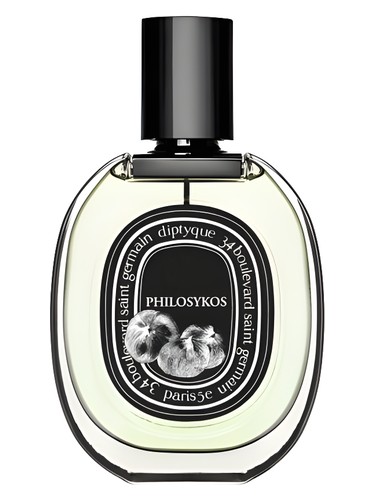
The similar fragrances list reads like a map of refined, naturalistic perfumery. Its closest relative is naturally L''Ombre Dans L''Eau Eau de Toilette, the lighter concentration that started it all. Hermès'' Un Jardin Sur Le Nil shares that crisp, green mango-and-vegetation aesthetic, while Diptyque''s own Philosykos Eau de Parfum offers a different take on Mediterranean greenery through the lens of fig. Byredo''s Bal d''Afrique and Hermès'' Terre d''Hermès seem outliers in this grouping, suggesting the algorithm picks up on shared qualities of earthy sophistication and restrained elegance rather than direct olfactory overlap.
Within the green floral category, L''Ombre Dans L''Eau distinguishes itself through its specific blackcurrant-rose focus and its willingness to let green dominate rather than merely accent. It''s less polite than many in its category, more committed to its naturalistic vision.
The Bottom Line
L''Ombre Dans L''Eau Eau de Parfum is Diptyque operating at peak form—literary, evocative, uncompromising. The 4.07 rating from nearly two thousand voices confirms it as a fragrance worth serious consideration, even if it won''t convert everyone who tries it. Its value proposition lies not in versatility across all seasons and occasions, but in doing one thing exceptionally well: capturing the essence of a rose garden in shadow, where blackcurrant bushes grow wild and morning dew hasn''t yet evaporated.
This is for the person who finds most fruity-florals too sweet, most rose fragrances too obvious, and most green scents too sharp. It''s for spring mornings and summer afternoons, for those who prefer gardens to florist shops, and for anyone who believes that sometimes the most beautiful things are those glimpsed in passing, half-hidden in shadows, reflected in still water.
KI-generierte redaktionelle Rezension