First Impressions
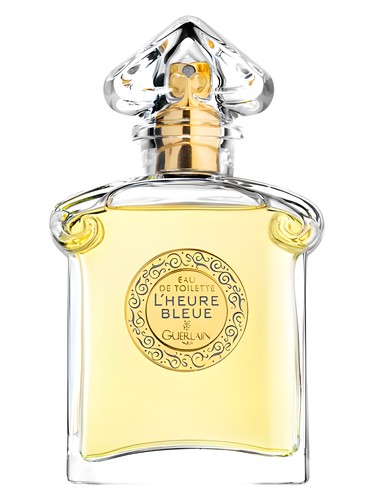
The first spray of L''Heure Bleue Eau de Toilette transports you to that suspended moment between daylight and darkness—the "blue hour" that gives this 1912 Guerlain creation its name. There''s an immediate softness, like pressing your face into vintage silk that''s been carefully preserved in a cedar chest. The opening carries a whisper of anise alongside bergamot, creating an aromatic brightness that feels simultaneously fresh and nostalgic. This isn''t the sharp, attention-grabbing entrance of modern fragrances; it''s the rustle of taffeta in a quiet room, the gentle announcement of someone who doesn''t need to raise their voice to command presence.
The Scent Profile
L''Heure Bleue reveals itself in layers, like turning the pages of a leather-bound journal. The anise and bergamot opening provides just enough lift to prevent what follows from feeling too heavy, though they step aside quickly—these top notes are escorts, not the main event.
The heart is where this composition truly begins its aria. Carnation brings a spicy warmth, tuberose adds creaminess without overwhelming, neroli contributes a subtle citrus-floral bridge, and rose—that eternal player in classical perfumery—weaves through it all with restraint. This isn''t a rose that announces itself boldly; it''s the memory of roses, softened by time and memory.
But the base is where L''Heure Bleue establishes its legendary status. Iris and violet form the powdery soul of this fragrance, creating that signature texture that feels like cashmere against skin. Benzoin, tonka bean, and vanilla provide a warm, almost edible sweetness that never tips into gourmand territory—this is refinement, not indulgence. The powder accord reaches 100% intensity here, and you feel it: this is a fragrance that understands the beauty of soft focus, of suggestion rather than declaration.
The evolution isn''t dramatic. L''Heure Bleue doesn''t shape-shift or surprise you with unexpected turns. Instead, it deepens, settling into a violet-iris-vanilla embrace that can last for hours, growing closer to the skin but never disappearing entirely. It''s the olfactory equivalent of twilight itself—that slow, gradual dimming that makes you look up and wonder when exactly the day became evening.
Character & Occasion
This is unequivocally a cool-weather companion. The community overwhelmingly favors it for fall (100%), with strong showings in spring (78%) and winter (75%). Summer, at just 38%, confirms what your instincts tell you: L''Heure Bleue needs a bit of chill in the air to truly shine. In heat, that powdery richness might feel heavy; in autumn''s crispness, it becomes poetry.
The day versus night data (87% day, 72% night) reveals its versatility within cooler months. This is a fragrance that works beautifully for daytime elegance—museum visits, lunch meetings, afternoon concerts—but doesn''t shy away when evening arrives. It''s refined enough for a formal daytime event yet has enough warmth and depth for dinner by candlelight.
Who should wear L''Heure Bleue? The simple answer is anyone drawn to classical femininity rendered in powdery florals. But more specifically, this suits those who appreciate quiet sophistication over loud statement-making. If you''re someone who considers perfume an intimate art rather than a projection sport, if you value elegance over trendiness, if you find beauty in restraint—L''Heure Bleue speaks your language.
Community Verdict
With a rating of 4.32 out of 5 from 878 votes, L''Heure Bleue Eau de Toilette has proven its staying power in more ways than one. This isn''t just a fragrance that survived over a century; it''s one that continues to earn genuine appreciation from those who encounter it. That rating reflects a strong consensus: this is a composition of remarkable quality and enduring appeal.
Of course, not everyone will fall under its spell. Those seeking bold, modern, attention-grabbing scents might find it too subtle, too old-fashioned, too quiet. But for those who connect with its particular brand of powdery violet elegance, that 4.32 rating understates their devotion.
How It Compares
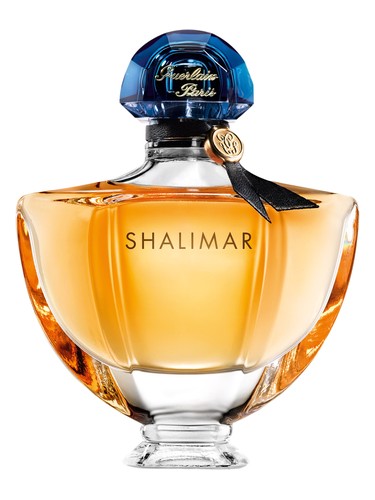
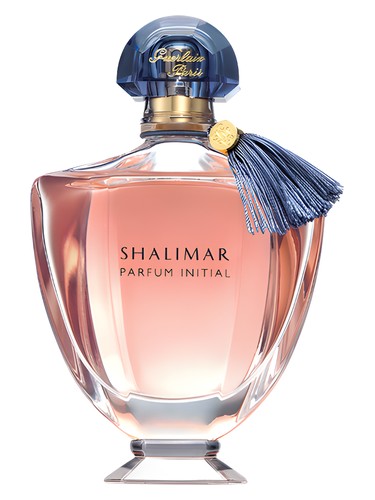
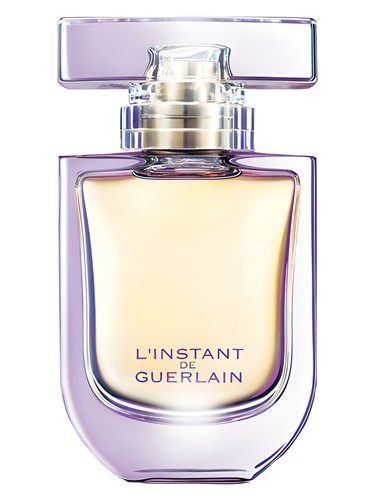
L''Heure Bleue exists within a constellation of Guerlain masterworks. The Eau de Parfum version offers a richer, more concentrated experience of the same composition. Shalimar, another Guerlain legend, shares some DNA but ventures into more overtly oriental territory. L''Instant de Guerlain and Samsara carry forward elements of that powdery Guerlain signature with more modern sensibilities.
Outside the house, LouLou by Cacharel appears as a spiritual descendant—sweeter, perhaps, but drawing from similar violet-powder inspirations. What distinguishes L''Heure Bleue is its restraint and its particular balance of violet, iris, and warm sweetness. It essentially defined a category that others would later explore.
The Bottom Line
L''Heure Bleue Eau de Toilette remains relevant not because it chases trends but because it helped establish what timeless means in perfumery. At 4.32 out of 5, it''s a fragrance that delivers on its century-old promise: to capture the ephemeral beauty of dusk in a bottle.
This Eau de Toilette concentration offers an accessible entry point to a legend. It''s softer than the parfum, more whispered than spoken, making it ideal for those who want to wear L''Heure Bleue as a personal signature rather than a broadcast. The value proposition is strong—you''re not just buying a fragrance but connecting with over 100 years of perfume history.
Who should seek this out? Anyone curious about classical French perfumery, lovers of powdery violets and iris, those who find modern fragrances too loud or too sweet. If you''ve never experienced a true vintage-style composition, L''Heure Bleue offers an education in elegance. Just wait for autumn, spray it as the day begins to fade, and understand why some beauties never go out of style.
KI-generierte redaktionelle Rezension