First Impressions
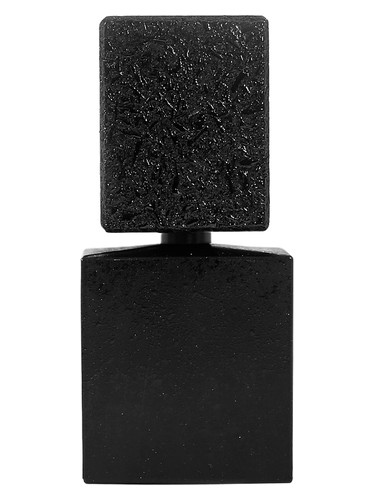
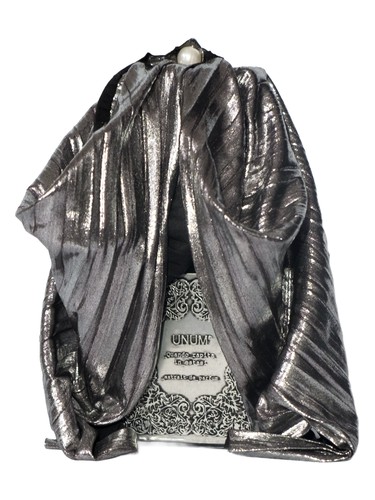
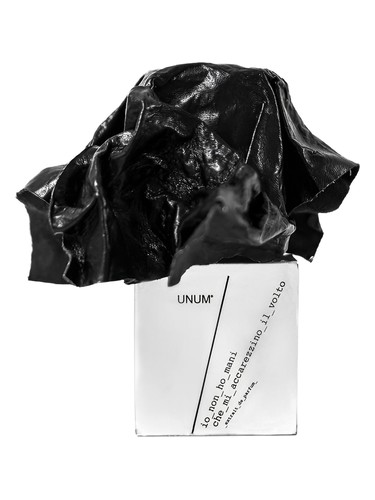
The title translates to "I Have No Hands to Caress My Face"—a phrase borrowed from a letter penned by Saint Maria Goretti that captures profound longing and spiritual yearning. Filippo Sorcinelli, himself a liturgical tailor and organist before becoming a perfumer, channels this devotional ache into olfactory form with breathtaking precision. The opening spray releases a cloud of resinous myrrh cut with the green, almost medicinal bite of galbanum—an unexpected juxtaposition that feels like stepping from harsh daylight into the hushed dimness of a centuries-old chapel. There's brightness here too: petitgrain and bergamot provide citric relief, but they're muted, filtered through stained glass rather than streaming through open windows. This is not a fragrance that announces itself with fanfare; it whispers an invitation to lean closer.
The Scent Profile
The opening act unfolds with myrrh taking center stage, its honeyed bitterness anchored by galbanum's verdant sharpness. Petitgrain adds a woody-floral transparency while bergamot offers fleeting brightness—just enough to prevent the composition from collapsing into complete solemnity. These top notes feel deliberately austere, almost penitential, establishing the sacred framework for everything that follows.
As the fragrance warms against skin, the heart reveals itself as a complex tapestry of spice and aromatics. Cinnamon emerges not as the sweet, bakery variety but as true cassia bark—dusty, slightly medicinal, with an edge that prickles. Clary sage contributes its herbaceous, almost narcotic quality, while styrax adds a leathery, balsamic richness that feels ancient. Geranium and ylang-ylang soften the composition with their rosy-floral sweetness, though they remain understated, reverential even. Cedar provides structural integrity, its dry woodiness preventing the spices from becoming cloying. This heart phase feels like the censers swinging during High Mass—smoke curling upward, spice mingling with prayer.
The base is where Io Non Ho Mani truly establishes its identity as a masterwork of amber-dominant composition. Incense—likely olibanum—forms the skeletal structure, its cool, penetrating smoke threading through everything. Tobacco adds a subtle earthy sweetness without reading as overtly masculine, while benzoin and amber create a resinous warmth that envelops like sanctuary walls holding centuries of devotion. Sandalwood contributes its creamy, meditative quality, and tonka bean rounds everything with its subtle almond-vanilla softness. The dry down is remarkably persistent, a skin-clinging veil of amber and smoke that lingers for hours, perhaps longer—a fragrance that refuses to be forgotten even after you've left its presence.
Character & Occasion
The data speaks unequivocally: this is a cold-weather fragrance, scoring perfect marks for both winter and fall wear. Only 31% of wearers find it appropriate for spring, and a mere 9% would venture it in summer heat—understandable given its dense, resinous character and 68% warm spicy accord rating. This is a fragrance that needs the contrast of cold air, the excuse of heavy fabrics and long nights.
Interestingly, while it performs admirably during daylight hours (53% day approval), it truly comes alive after dark (89% night approval). There's something about evening that suits its contemplative intensity—perhaps it's the way amber and incense feel at home in candlelight rather than fluorescent glare.
Though marketed as feminine, Io Non Ho Mani transcends such simple categorization. Its incense-tobacco-amber core would feel equally compelling on any wearer drawn to spiritual, meditative fragrances. This is for those who find comfort in ritual, who understand that sacred spaces exist not just in physical buildings but in moments of intentional presence. It suits the thoughtful, the artistic, the seekers—those who view fragrance as something beyond mere adornment.
Community Verdict
With 614 votes yielding a 3.93 out of 5 rating, Io Non Ho Mani sits in that fascinating territory of critical respect rather than universal adoration. This isn't a crowd-pleaser, nor does it aspire to be. The score suggests a fragrance that rewards those who meet it on its own terms—complex, challenging, ultimately revelatory for the right nose. It's polarizing in the best sense: those who connect with its liturgical intensity rate it highly, while those seeking conventional beauty or immediate gratification likely find it austere. The substantial vote count indicates genuine interest and discussion within the fragrance community, marking it as a serious composition worthy of exploration rather than a niche obscurity.
How It Compares
Io Non Ho Mani finds itself in distinguished company. Its closest parallel is Comme des Garcons Series 3 Incense: Avignon, Antoine Lie's legendary recreation of Romanesque cathedral incense. While Avignon leans cooler and more minimalist, Sorcinelli's creation embraces amber warmth and spice complexity. Serge Lutens' Ambre Sultan shares the dominant amber accord but takes a more overtly sensual, herbal direction. Black Afgano by Nasomatto brings similar smoky intensity but with cannabis and oud pushing it toward darker, more provocative territory. Within Sorcinelli's own line, Lavs and Quando rapita in estasi explore similar sacred themes, confirming this as the perfumer's signature territory—the intersection of liturgy and longing, devotion and desire.
The Bottom Line
Io Non Ho Mani Che Mi Accarezzino il Volto is not an easy fragrance, but the most meaningful rarely are. It demands attention, patience, and a willingness to sit with complexity. For those drawn to incense-forward compositions with genuine depth, for lovers of amber that transcends sweet simplicity, for anyone who has ever felt the strange comfort of beautiful melancholy—this is essential wearing. The 3.93 rating reflects not mediocrity but specificity: this fragrance knows exactly what it is and refuses to compromise. At its best in winter evenings, worn by someone who understands that luxury sometimes means contemplation rather than opulence, Sorcinelli's creation transforms the absence suggested by its title into overwhelming presence. Try it if you've ever stood in an empty church and felt profoundly less alone.
KI-generierte redaktionelle Rezension