First Impressions
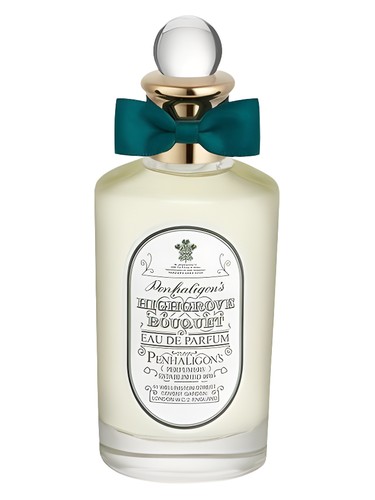
The first spray of Highgrove Bouquet feels like stepping into a sun-drenched English garden in May, when the lime trees are heavy with blossom and everything glows golden. This is Penhaligon''s love letter to King Charles III''s organic gardens at Highgrove House, and it opens with an unapologetic embrace of linden blossom—that intoxicating scent that hovers somewhere between honey, hay, and pure sunshine. There''s an immediate sweetness here, but it''s the natural sweetness of nectar-heavy flowers rather than anything cloying or synthetic. Within moments, you understand exactly what Penhaligon''s set out to achieve: bottling the precise moment when British spring reaches its peak, all warmth and promise and yellow-petaled optimism.
The Scent Profile
Highgrove Bouquet builds its entire architecture around lime blossom (also known as linden), and this singular focus becomes its greatest strength. The opening is dominated by this note''s characteristic honeyed-herbal quality, sweet yet green, floral yet somehow also reminiscent of fresh-cut grass and warm tree bark. It''s a note that many perfumers avoid because of its complexity—lime blossom refuses to be just one thing—but here it''s given room to express all its contradictions.
As the fragrance settles into its heart, mimosa emerges like a shaft of buttery yellow light breaking through leaves. This is mimosa at its most powdery and soft, adding a gentle talc-like quality that tempers the lime blossom''s intensity without diminishing its brightness. The mimosa here reads as almost honeyed itself, creating a seamless dialogue with the top notes rather than a dramatic transition. Together, these two golden florals create what the community data confirms: a fragrance that registers as 100% yellow floral, with significant sweetness (50%) and a notable powdery quality (48%).
The base of cedar provides structure rather than drama. This isn''t a woody fragrance by any measure—the green and floral aspects remain dominant throughout—but the cedar offers just enough grounding to prevent Highgrove Bouquet from floating away entirely into abstraction. It''s subtle enough that you might not consciously notice wood, but its absence would leave the composition feeling unfinished, like a watercolor painting without paper.
Character & Occasion
This is a fragrance with a clear point of view about when and where it belongs. The community has spoken decisively: spring is Highgrove Bouquet''s natural habitat (100%), with summer following close behind (82%). When temperatures drop into fall and winter, this perfume begins to feel out of step with the season—only 35% found it suitable for autumn, and a mere 14% for winter. This isn''t a criticism but rather a clarification of character. Some fragrances try to be all things to all seasons; Highgrove Bouquet knows it''s a warm-weather composition and wears that identity proudly.
The day versus night breakdown tells a similar story. With 77% finding it ideal for daytime wear compared to just 22% for evening, this is clearly a fragrance for sunlit hours. Picture it at garden parties, weekend farmers market visits, outdoor lunches where the dress code is linen and optimism. It''s too soft, too sweet, too honestly cheerful for candlelit dinners or cocktail sophistication.
While marketed as feminine, Highgrove Bouquet''s gentle sweetness and powdery florals do lean into traditionally feminine perfume territory. That said, anyone who loves honeyed florals and doesn''t mind smelling like the platonic ideal of a spring afternoon should feel welcome here.
Community Verdict
With a rating of 4.05 out of 5 based on 478 votes, Highgrove Bouquet has earned solid approval from those who''ve experienced it. This isn''t a polarizing fragrance—it delivers exactly what it promises without tricks or subversions. The rating suggests a well-executed composition that satisfies its target audience while perhaps not reaching the innovative heights that would push it into cult-favorite territory. Nearly 500 people have weighed in, providing a meaningful sample size, and their consensus is clear: this is a very good fragrance that does one thing exceptionally well.
How It Compares
The similarity map offers intriguing comparisons. Tilia by Marc-Antoine Barrois shares the lime blossom focus, making it perhaps the closest cousin. More surprising are references to Chergui by Serge Lutens and L''Eau d''Hiver by Frederic Malle—both fragrances that play with honeyed, powdery textures, though in very different contexts. The mention of Black Orchid by Tom Ford seems initially incongruous until you consider shared sweetness and intensity, even if the overall character differs dramatically. Philosykos by Diptyque connects through green, botanical honesty.
Where Highgrove Bouquet distinguishes itself is in its unabashed celebration of yellow florals. While many modern fragrances incorporate linden or mimosa as supporting players, few make them the entire story with this level of commitment.
The Bottom Line
Highgrove Bouquet is a fragrance for people who know they love lime blossom, mimosa, and the golden-sweet side of the floral spectrum. It''s not trying to convert skeptics or reinvent the wheel—it''s simply offering a beautifully executed expression of a specific olfactory idea. The 4.05 rating reflects this: high enough to indicate quality and broad appeal, not quite stratospheric enough to suggest groundbreaking artistry.
This is worth exploring if you''ve ever caught the scent of linden trees in bloom and wished you could carry that moment with you, or if you gravitate toward powdery florals with genuine sweetness. Skip it if you prefer your fragrances complex and challenging, or if warm-weather florals aren''t your language. At its best during spring and summer days, Highgrove Bouquet delivers exactly what its royal garden inspiration suggests: accessible beauty, cultivated charm, and the quiet confidence of knowing precisely what it is.
KI-generierte redaktionelle Rezension