First Impressions
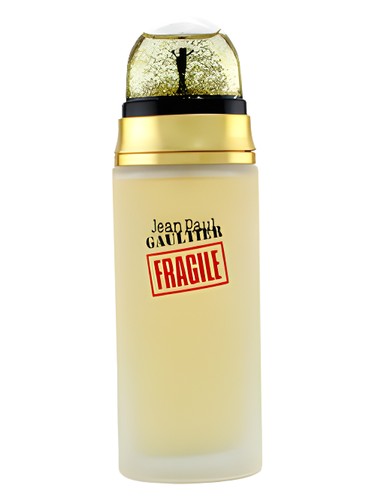
The first spray of Fragile Eau de Toilette delivers an immediate jolt of brightness—a sun-drenched cascade of citrus that feels almost effervescent against the skin. Mandarin and orange lead the charge, backed by the tart sparkle of lemon and an unexpected whisper of pink pepper that adds just enough bite to keep things interesting. There''s raspberry here too, lending a subtle jammy sweetness that prevents the opening from veering into household cleaner territory. This isn''t the delicate, tentative fragrance its name suggests. Instead, it announces itself with confidence, a luminous burst that feels both refreshing and deliberately optimistic.
The Scent Profile
Jean Paul Gaultier constructed Fragile around a deceptively simple architecture, but the execution reveals considerable sophistication. The opening act is dominated by that citrus trio—mandarin orange, orange, and lemon—which registers at maximum intensity in the fragrance''s accord structure. Pink pepper adds a modern edge, while raspberry provides just enough fruity sweetness to soften the citrus''s sharper angles without pushing the composition into gourmand territory.
As the initial brightness begins to settle, usually within twenty to thirty minutes, the heart reveals itself with striking clarity. Tuberose takes center stage, and this is where Fragile shows its true character. Rather than the heavy, narcotic tuberose found in many classic white florals, Gaultier''s interpretation maintains an airy quality, still carrying traces of that opening citrus like a memory. Orange blossom weaves through the tuberose, the two white florals creating a conversation between indolic richness and neroli-tinged freshness. This heart phase, accounting for 85% of the white floral accord and 61% of the tuberose signature, is where the fragrance lives most comfortably.
The base is where Fragile reveals its restraint. Musk and woody notes provide a soft, skin-like foundation that never demands attention but keeps the composition grounded. This isn''t a fragrance that develops into something dramatically different after hours of wear—instead, it gradually fades into a clean, slightly sweet musky veil that sits close to the skin. The woodsy elements add structure without darkness, maintaining that overall sense of luminosity that defines the entire composition.
Character & Occasion
The community data reveals Fragile''s remarkable versatility. With day wear registering at 100% and night wear at a strong 84%, this is a fragrance that refuses to be pigeonholed into a single occasion. That citrus-forward opening makes it an obvious choice for daytime wear—office-appropriate, bright enough for casual weekends, sophisticated enough for professional settings. Yet that substantial tuberose heart gives it enough presence to hold its own through dinner or evening events.
Seasonally, Fragile performs best in transitional weather. Fall comes in at 89% suitability, with spring close behind at 85%. This makes intuitive sense—the fragrance is substantial enough to project in cooler air but never feels heavy or cloying. Winter wearability at 64% suggests it can handle cold weather, though you might find yourself reaching for something richer during the deepest months. Summer, at 57%, is this fragrance''s least natural habitat, which tracks with that prominent tuberose note that can occasionally feel too dense in oppressive heat.
This is decidedly a feminine fragrance, crafted for someone who appreciates white florals but doesn''t want to disappear into a cloud of heady indoles. It suits the wearer who wants presence without projection, sophistication without stuffiness.
Community Verdict
With a rating of 4.17 out of 5 based on 637 votes, Fragile has earned genuine respect from a substantial number of wearers. This isn''t a niche fragrance with a tiny cult following inflating its scores—over six hundred people have weighed in, and the consensus is clear: this is a well-crafted, enjoyable fragrance that delivers on its promises. The rating suggests a fragrance with broad appeal that manages to avoid being bland or generic. It''s not quite a masterpiece (those tend to hover closer to 4.5), but it''s significantly better than merely competent.
How It Compares
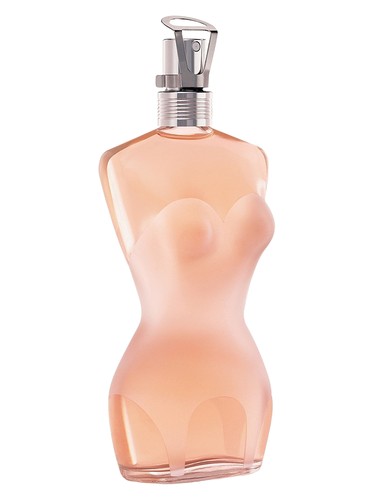
Fragile sits in interesting company. Its siblings in the Jean Paul Gaultier lineup—the original Fragile and Classique—share DNA but serve different purposes. When compared to Pure Poison by Dior, Fragile comes across as brighter and more citrus-forward, less mysterious and nocturnal. Next to Coco Mademoiselle''s patchouli-laced sophistication or J''adore''s champagne-like florals, Fragile feels more straightforward, more unabashedly cheerful. It doesn''t try to be complex or enigmatic. Instead, it does citrus-touched white florals with clarity and conviction, carving out its own space in a crowded category.
The Bottom Line
Fragile Eau de Toilette succeeds by doing a few things exceptionally well rather than attempting everything at once. That 4.17 rating reflects a fragrance that knows its strengths—radiant citrus, crystalline white florals, clean musks—and executes them with polish. Released in 2001, it feels largely timeless, avoiding the dated aquatics or heavy orientals that can mark fragrances of that era.
Who should try it? Anyone seeking a versatile white floral that doesn''t announce itself from across a room. Those who find pure tuberose fragrances overwhelming but still crave that creamy, narcotic quality. Anyone building a wardrobe fragrance for transitional seasons and adaptable occasions. At eau de toilette concentration, it offers accessibility without sacrificing quality. This isn''t a fragrance that will change your life, but it might become the one you reach for more often than expected—and sometimes, that''s exactly what you need.
KI-generierte redaktionelle Rezension