First Impressions
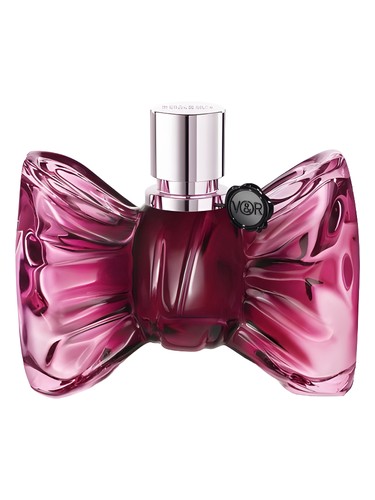
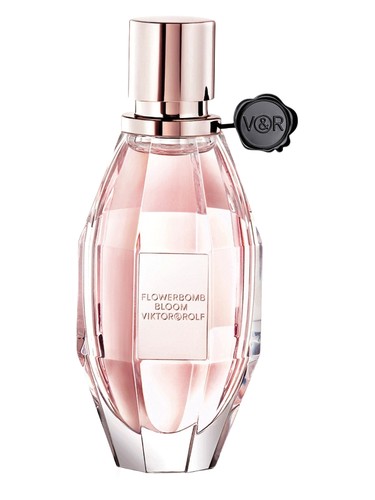
The first spray of Flowerbomb Bloom tells you immediately that this isn''t your typical Viktor&Rolf detonation. Where the original Flowerbomb announced itself with unapologetic opulence, Bloom whispers its arrival with a sparkling duet of pomegranate and mandarin orange. It''s an opening that feels more like sunrise than explosion—bright, optimistic, and surprisingly restrained for a fragrance carrying such a bombastic name. The citrus notes glisten with morning freshness, while pomegranate seeds add a translucent, slightly tart sweetness that never veers into candy territory. This is Flowerbomb reconsidered, reimagined for someone who wants the poetry without quite so much volume.
The Scent Profile
The journey from top to base reveals a composition built on paradox: a woody fragrance that reads predominantly floral, a fresh scent anchored by substantial base notes. Those opening notes of pomegranate and mandarin orange establish the fragrance''s lighter-than-expected personality, creating a fruity-citrus halo that hovers for the first fifteen minutes.
But the heart is where Bloom truly earns its name—and its departure from the original formula. Freesia takes center stage here, its green, slightly soapy floralcy providing the scaffolding around which everything else arranges itself. The mountain air accord (an unusual note to find listed explicitly) manifests as a crystalline, ozonic quality that creates literal breathing room between the blooms. Damask rose and jasmine complete the floral quartet, but they''re notably softer than you''d find in a traditional floral bomb. The rose reads pink rather than red, youthful rather than sophisticated, while the jasmine adds creaminess without the indolic heaviness that can make some white florals feel suffocating.
The base brings woody notes into play—unspecified but distinctly present, providing a gentle landing that keeps Bloom from floating away entirely. These woods don''t read as cedar or sandalwood specifically, but rather as a soft, slightly ambery warmth that grounds the composition just enough. It''s the anchor that allows the florals to feel substantial rather than merely pretty.
Character & Occasion
According to community data, Flowerbomb Bloom plays well across all seasons, and this makes intuitive sense once you understand its architecture. The citrus and freesia keep it appropriate for spring and summer heat, while the woody base and rose prevent it from feeling out of place as temperatures drop. This is a fragrance designed for versatility, though it truly shines in transitional weather—those perfect spring mornings or early autumn afternoons when the air itself seems to shimmer with possibility.
The dominant woody accord (registering at 100% in the fragrance''s profile) combined with strong floral notes (88%) creates something interesting: a floral fragrance for people who don''t typically gravitate toward florals, or a woody scent for those who find most woods too austere. The fresh accord (46%) ensures it never feels heavy, while the moderate citrus (51%) and rose (50%) notes keep it feminine without falling into cliché.
This is daytime fragrance through and through—appropriate for office environments, brunch with friends, casual weekend outings. It projects politely rather than insistently, making it suitable for those who want to smell intentional without dominating a room.
Community Verdict
With a rating of 3.66 out of 5 stars across 566 votes, Flowerbomb Bloom occupies interesting middle ground. This isn''t a fragrance that inspires fierce devotion or passionate hatred—instead, it garners the kind of moderate appreciation that suggests reliability rather than revolution. That rating tells a story: this is a well-executed, pleasant fragrance that does exactly what it sets out to do, even if it doesn''t necessarily break new ground or create converts.
The relatively substantial vote count indicates genuine interest and wear-testing from the community, lending credibility to that mid-range rating. This isn''t a fragrance dismissed after a single spray, but one that''s been lived with, evaluated across seasons and occasions, and ultimately deemed... quite nice. And sometimes, quite nice is exactly what you need.
How It Compares
The company Flowerbomb Bloom keeps tells us much about its position in the fragrance landscape. Its similarity to Light Blue by Dolce&Gabbana and Chance Eau Fraiche by Chanel places it firmly in the fresh, accessible designer category—fragrances designed for broad appeal and easy wearability. The connection to Miss Dior Blooming Bouquet suggests a shared aesthetic of softened, modernized florals that reject the powerhouse compositions of decades past.
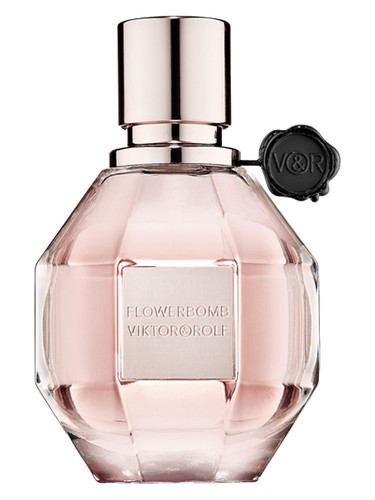
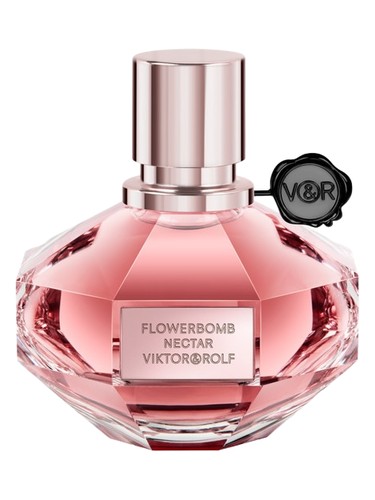
Most tellingly, its relationship to the original Flowerbomb frames it as a flanker that genuinely diverged from its parent. Where Flowerbomb brought patchouli intensity and Oriental richness, Bloom chose mountain air and restraint. It''s a flanker that actually justifies its existence by offering something meaningfully different, rather than simply reformulating the same idea in a new bottle.
The Bottom Line
Flowerbomb Bloom is the fragrance equivalent of a perfectly pleasant surprise—not groundbreaking, but genuinely likable and more thoughtfully composed than many flankers deserve to be. That 3.66 rating shouldn''t be read as mediocrity but rather as solid competence: this is a fragrance that delivers on its promises without overpromising in the first place.
It''s best suited for those who found the original Flowerbomb too heavy, too sweet, or too much—people who liked the idea but wanted the volume turned down and the windows opened. If you''re drawn to fresh florals with subtle complexity, or if you''re building a versatile fragrance wardrobe for professional settings, Bloom earns its place. At 2017 vintage, it represents Viktor&Rolf''s ability to adapt to changing tastes toward fresher, lighter compositions without abandoning their signature aesthetic entirely.
Should you blind-buy it? Probably not. But should you seek out a sample or department store tester? Absolutely. Sometimes the fragrances that inspire moderate ratings rather than passionate debates turn out to be the ones you reach for most often—reliable, appropriate, and easier to love than to describe.
KI-generierte redaktionelle Rezension