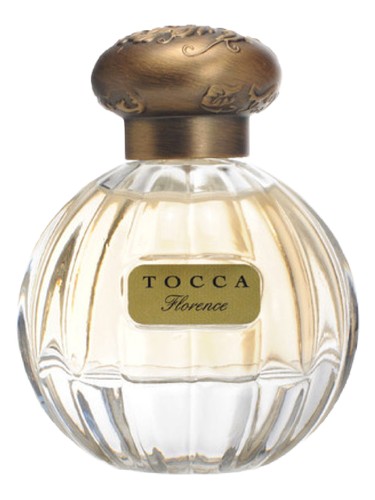
First Impressions
The first spray of Tocca Florence feels like stepping through wrought-iron gates into a sun-dappled Tuscan garden at the height of spring. There''s an immediate brightness—a crisp, fruit-forward opening that shimmers with the juice of ripe pears and the tart skin of green apples, accented by bergamot''s citrus sparkle and the slightly bitter greenness of grapefruit leaves. But this isn''t a fruit salad. Within moments, you sense what''s coming: the creamy, heady presence of white flowers waiting just beneath the surface, like gardenias floating in a crystal bowl. It''s a fragrance that announces itself with confidence but without aggression, balancing its fruity exuberance with an unmistakable femininity.
The Scent Profile
Florence reveals itself in distinct chapters, each more captivating than the last. That opening quartet of pear, apple, bergamot, and grapefruit leaf creates what I can only describe as an orchard rendered in watercolors—impressionistic, fresh, and utterly inviting. The pear note deserves special mention; it''s juicy without being cloying, more fresh-cut fruit than candy shop.
As the fragrance settles into its heart, the white floral accord—which dominates the composition at 100%—takes center stage. Gardenia and tuberose form the core, with the tuberose contributing that characteristic creamy, almost narcotic quality that scores 29% in the accord profile. This isn''t tuberose in its most indolic, rubber-scented glory; rather, it''s softened and sweetened, made approachable. Jasmine adds a bright, sunny quality, while violet leaf and iris introduce unexpected green and slightly powdery facets that prevent the florals from becoming overwhelming. The result is a white floral bouquet that feels alive and dimensional rather than flat or synthetic.
The lactonic accord (19%) manifests as a creamy, skin-like softness that bridges the floral heart to the base. It''s this quality that gives Florence its wearable intimacy despite its obvious presence. The base itself is admirably restrained—white woods and musk create a clean, barely-there foundation that allows the florals to fade gracefully without introducing heavy amber or vanilla. There''s a subtle animalic quality (21%) lurking in the musk that adds just enough warmth to keep the fragrance from smelling soapy or detergent-like.
Character & Occasion
The data tells a clear story: Florence is a spring fragrance first and foremost (100% seasonal suitability), with strong summer credentials (67%). Those fall and winter numbers (22% and 12% respectively) reveal what your nose already knows—this is a warm-weather composition through and through. The green and fruity elements need sunshine and humidity to truly sing; wear this on a cold January day and it might seem thin or sharp.
Florence is overwhelmingly a daytime scent (90% day versus 20% night), and this makes perfect sense. This is a perfume for brunch on a flower-filled terrace, for weekend farmers markets, for afternoon meetings where you want to smell polished but not overpowering. Could you wear it at night? Certainly, especially for casual evening plans or outdoor summer concerts. But if you''re looking for a date-night powerhouse or a dramatic evening signature, you''ll want to look elsewhere.
The fruity-floral profile and moderate intensity make this particularly appealing to those new to white florals or anyone who finds fragrances like Carolina Herrera''s 212 or even some gardenia soliflores too heavy. It''s feminine without being girlish, elegant without being stuffy—a rare balance.
Community Verdict
With 2,540 votes tallying to a 3.88 out of 5 rating, Florence sits comfortably in "very good" territory. This isn''t a polarizing avant-garde composition that some will worship and others will hate; it''s a well-executed, crowd-pleasing fragrance that delivers exactly what it promises. The healthy vote count suggests real staying power for a scent launched in 2006—people are still discovering, wearing, and rating Florence nearly two decades later.
That sub-4.0 rating isn''t a red flag; rather, it reflects the reality that this is a beautiful but not groundbreaking fragrance. It won''t be everyone''s holy grail, but it''s unlikely to disappoint anyone seeking a fresh white floral for spring and summer.
How It Compares
Tocca positions Florence alongside heavy hitters: Gucci Bloom, Dior''s J''adore, Thierry Mugler''s Alien, Marc Jacobs Daisy, and its sister scent Tocca Cleopatra. That''s instructive company. Like Gucci Bloom, Florence centers white florals but with more fruit and less earthy richness. Against J''adore, it''s lighter and greener, less golden and ylang-heavy. Alien''s jasmine is far more dramatic and sweet; Florence is comparatively subtle. Daisy shares the fruity-floral DNA but skews younger and sweeter.
In this lineup, Florence emerges as perhaps the most versatile and easy-wearing option—less expensive than the designer heavyweights, less ubiquitous than Daisy, more approachable than Alien''s sci-fi sweetness.
The Bottom Line
Tocca Florence succeeds brilliantly at what it sets out to do: deliver an elegant, wearable white floral with enough fruity brightness and green freshness to feel modern and versatile. At 3.88 out of 5 from over 2,500 votes, the community consensus confirms this is a solid, reliable choice rather than a transcendent masterpiece—and there''s absolutely nothing wrong with that.
The price point (Tocca generally offers excellent value compared to prestige designer brands) makes this an ideal candidate for anyone building a warm-weather rotation or seeking their first serious white floral. It''s sophisticated enough for the office, pretty enough for special occasions, and easy enough for daily wear.
Who should try Florence? Anyone who loves the idea of white florals but fears the intensity. Spring and summer lovers seeking something beyond citrus colognes. Those who wore fruity florals in their twenties and want something with more sophistication without abandoning brightness altogether. If you''ve ever wished J''adore came with a crisp pear on the side, this is your fragrance.
KI-generierte redaktionelle Rezension