First Impressions
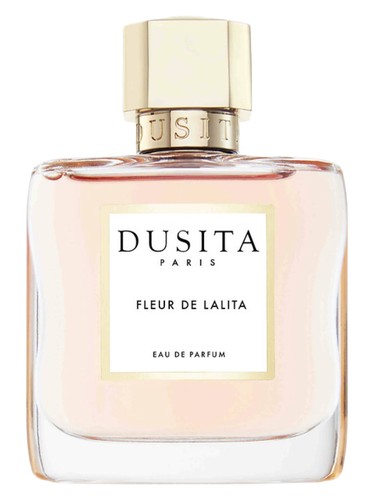
The first breath of Fleur de Lalita feels like stepping into a consecrated garden at dawn, where white petals gather their most potent oils before the sun rises. This is not the polite, watercolor sketch of white florals that often graces department store counters. Instead, Parfums Dusita''s 2018 creation announces itself with the full-throated confidence of a Thai perfumer who knows exactly how to layer European classical technique onto Southeast Asian sensibilities.
That opening spray delivers an immediate embrace of white lily and magnolia, softened only slightly by the sharp green cut of galbanum. It''s a bold introduction—almost brazen in its floral intensity—yet there''s sophistication in how these blooms interweave. The jasmine and ylang-ylang don''t wait their turn; they arrive alongside the lily, creating a heady chorus rather than a polite succession. May rose adds a powdery, vintage quality that prevents this from feeling too modern or too clean. This is white floral perfumery that remembers its roots in indolic richness, even as it reaches toward contemporary elegance.
The Scent Profile
Fleur de Lalita''s composition reads like a love letter to the white floral genre, scoring a perfect 100% on the floral accord with an 89% emphasis on white florals specifically. The opening movement is lush almost to the point of excess: white lily dominates, its creamy, slightly soapy facets mingling with magnolia''s lemonic shimmer and champaca-like warmth. The galbanum provides crucial architecture here, its green, resinous bitterness preventing the florals from collapsing into sweetness too soon.
Jasmine and ylang-ylang weave through this white tapestry with their characteristic indolic depth—that faintly animalic quality that makes expensive florals smell truly alive rather than sterile. The May rose, more subtle than its companions, contributes a damascene richness and a slight spiciness that emerges as the top notes begin their gradual fade.
The heart reveals what Dusita founder Pissara Umavijani calls "exotic floral notes"—a deliberate vagueness that likely conceals proprietary accords drawing on Thai floral traditions. Ambrette seed appears here, lending its subtle musk-like quality and a faint fruity sweetness that bridges the opulent florals with the warmer base to come. This middle phase is where Fleur de Lalita shows its aromatic side (27% of its character), likely from the interaction between the exotic florals and the first whispers of the base materials rising through.
The foundation reveals unexpected restraint given the exuberance above. Sandalwood provides creamy, woody grounding without stealing focus from the flowers. Ambergris adds a marine salinity and subtle animalic depth that enhances rather than competes. Madagascar vanilla and tonka bean appear in the balsamic accord (20%), but they''re measured—enough to sweeten and round the composition without turning it gourmand. The result is a base that feels luxurious and enveloping while maintaining the perfume''s essential identity as a floral showcase.
Character & Occasion
Fleur de Lalita presents an interesting versatility puzzle. The data shows it performing across all seasons, and the community hasn''t strongly aligned it with either day or night wear—both registering at 0%. This suggests a fragrance that adapts to context rather than demanding it.
In practice, this makes sense. The initial intensity would seem to call for evening occasions, yet the green freshness and floral transparency prevent it from feeling heavy even in warmer weather. The white floral dominance gives it a formal, dressed-up quality that suits special occasions, but the seamless blending means it never shouts for attention in close quarters.
This is decidedly feminine in presentation—unabashedly so, with no attempts to court a "unisex" market. It''s best suited for someone who appreciates classical perfumery but wants something richer and more layered than typical department store fare. The wearer should be comfortable with presence; Fleur de Lalita isn''t a skin scent.
Community Verdict
With 748 votes landing at 3.87 out of 5, Fleur de Lalita occupies that intriguing space above "well-liked" but below "cult classic." This rating suggests a fragrance of genuine quality that may be more selective in its appeal. White floral compositions often polarize—some find them intoxicating, others overwhelming—and this score indicates Fleur de Lalita has found its devoted audience while not converting every skeptic.
The voting base of 748 is substantial enough to trust, particularly for a niche brand. This isn''t a fragrance languishing in obscurity, nor is it overhyped. The rating reflects what''s in the bottle: serious perfumery executed with skill, appealing strongly to those who seek it out.
How It Compares
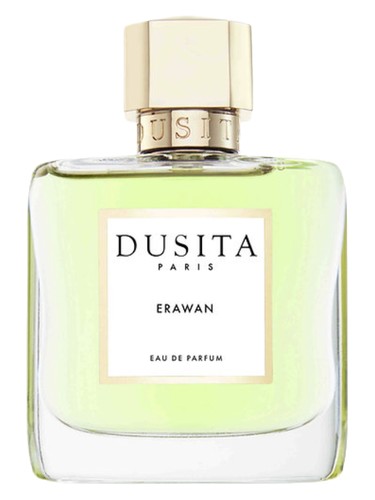
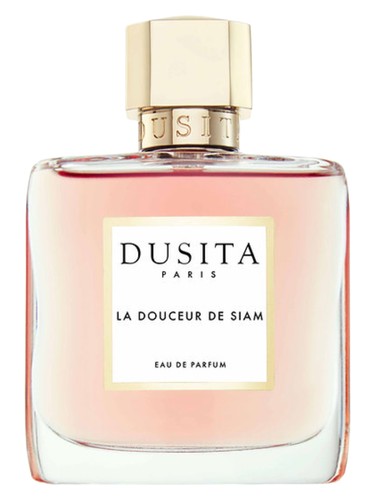
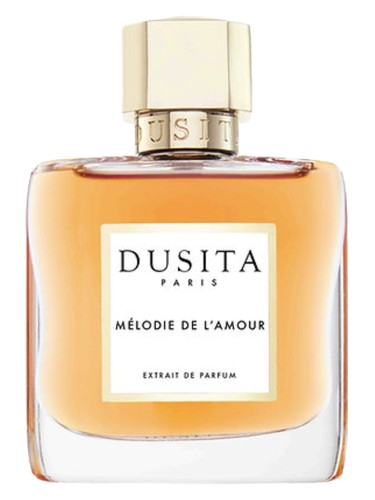
The comparisons to other Parfums Dusita creations (Melodie de L''Amour, La Douceur de Siam, Erawan) speak to a house signature—Pissara Umavijani''s distinctive approach to blending French perfume tradition with Thai aesthetic sensibilities. The reference to Amouage''s Honour Woman is telling; both fragrances share that commitment to opulent white florals with quality materials and careful balance.
The Tom Ford Black Orchid comparison is more curious, given that fragrance''s dark, gothic character. What they likely share is intensity and unapologetic richness—both are "more is more" perfumes in an era that often favors minimalism.
Where Fleur de Lalita distinguishes itself is in its particular greenness (46% green accord) and the exotic floral elements that give it a distinctive character beyond standard tuberose-jasmine-gardenia formulas.
The Bottom Line
Fleur de Lalita represents niche white floral perfumery firing on all cylinders. At 3.87/5, it''s not going to be everyone''s signature scent, but for those drawn to lush, complex florals with both classical structure and unexpected nuances, this is absolutely worth sampling. The rating suggests honest quality without hype.
The ideal wearer already knows they love white florals and is ready to explore beyond mainstream offerings. If your reference points include vintage Diorissimo or modern takes like Frederic Malle''s Carnal Flower, Fleur de Lalita deserves a place in your testing queue. It''s a perfume that reveals the breadth still possible within a seemingly well-explored category, proving that white florals can still surprise when crafted with both technical mastery and genuine artistic vision.
KI-generierte redaktionelle Rezension