First Impressions
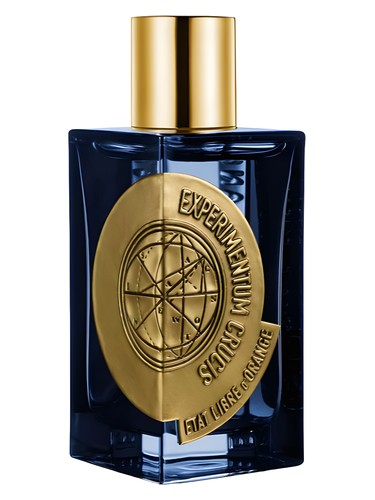
The first spray of Experimentum Crucis feels like walking into a room where someone has just sliced open a crisp apple while a pot of exotic spices simmers on the stove. There''s an immediate jolt—cumin announces itself without apology, backed by the sweet-tart brightness of apple and litchi. This isn''t a fragrance that tiptoes into the room. It''s Etat Libre d''Orange doing what they do best: taking familiar elements and twisting them into something that makes you pause and reconsider everything you thought you knew about rose perfumes.
The name itself—Experimentum Crucis, Latin for "crucial experiment"—hints at the alchemical ambition here. This is Newton''s term for a decisive test that proves or disproves a hypothesis. The hypothesis? That rose, that most classical of perfume notes, can be reimagined with an unexpected spice-and-fruit opening that challenges rather than comforts.
The Scent Profile
Those opening moments are genuinely fascinating. The cumin is the wild card—warm, slightly animalic, with that distinctive earthiness that can divide a room. But it''s softened by the juicy sweetness of apple and litchi, creating a contrast that shouldn''t work on paper but somehow does on skin. This fruity-spicy introduction sets up expectations that the perfume will gleefully subvert.
As the scent settles into its heart, rose takes center stage—and based on the accord data showing rose at 100%, this is undeniably a rose perfume. But it''s rose with depth and texture, enriched by honey''s golden sweetness and jasmine''s indolic richness. The honey brings a viscous, almost resinous quality that bridges the gap between the fruit-forward opening and the woody depths to come. This isn''t the fresh-cut rose of a garden; it''s rose with its petals already beginning to dry and concentrate, darkened with spice and sweetened with nectar.
The base is where Experimentum Crucis reveals its true woody character. Akigalawood—a modern synthetic that mimics agarwood—contributes that 51% oud accord, lending a dry, smoky woodiness without traditional oud''s barnyard intensity. Patchouli adds earthy depth (registering at 48% in the accord breakdown), while musk provides a skin-like softness that keeps the composition from becoming too austere. The overall effect is a rose perfume that stands on a foundation of wood rather than powder, giving it a contemporary edge and surprising tenacity.
Character & Occasion
This is decisively a cool-weather fragrance. The data confirms what your nose already knows: it''s perfect for fall (100%) and excels in winter (85%), with spring (79%) being viable territory. Summer wearers beware—only 40% of the community finds this appropriate for heat, and for good reason. The spice-honey-wood combination can feel heavy when temperatures climb.
Interestingly, while marketed as feminine, the woody and spicy accords give it a chameleon quality that might appeal beyond traditional gender boundaries. The night-leaning profile (84% night versus 75% day) suggests this is a fragrance that comes alive in lower light, when its complexity can unfold without competing with daylight''s demands for freshness.
This is for someone who appreciates rose but has grown weary of the predictable rose-patchouli or rose-vanilla combinations. It asks something of its wearer—a willingness to embrace that cumin opening, to let the oud-like Akigalawood cast its shadow over the florals. It''s a confident choice, best suited to occasions where you want to be remembered rather than merely pleasant.
Community Verdict
With a rating of 3.86 out of 5 from 2,390 votes, Experimentum Crucis sits in that interesting territory of being widely appreciated without achieving universal acclaim. This isn''t a crowdpleaser in the traditional sense, and that''s likely by design. The solid rating from a substantial voting base suggests a fragrance that delivers on its creative promises while acknowledging it won''t be everyone''s taste.
That cumin note in the opening is almost certainly divisive—some will find it thrilling, others off-putting. The fact that the fragrance maintains a near-4-star rating despite this polarizing element speaks to the quality of its composition and the loyalty of those who connect with its particular vision.
How It Compares
The most obvious point of reference is Frederic Malle''s Portrait of a Lady, the modern benchmark for spiced rose fragrances. Experimentum Crucis operates in similar territory but takes a fruitier, less intensely incense-driven approach. Where Portrait of a Lady is baroque and opulent, this Etat Libre d''Orange creation has a more experimental, almost playful quality despite its serious name.
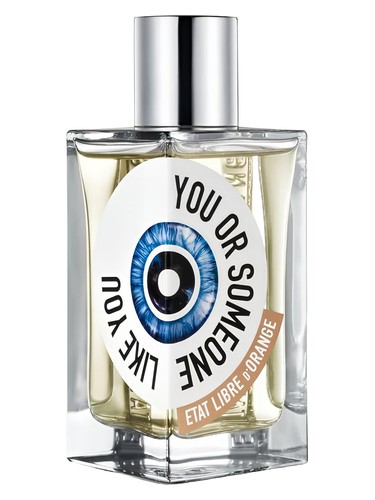
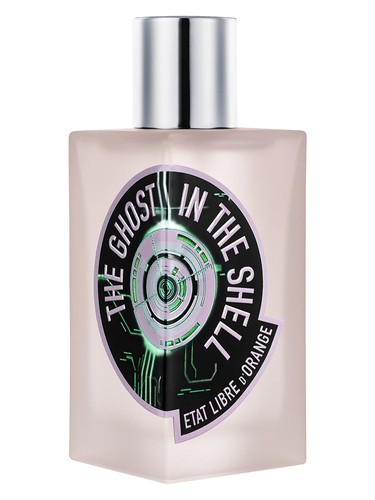
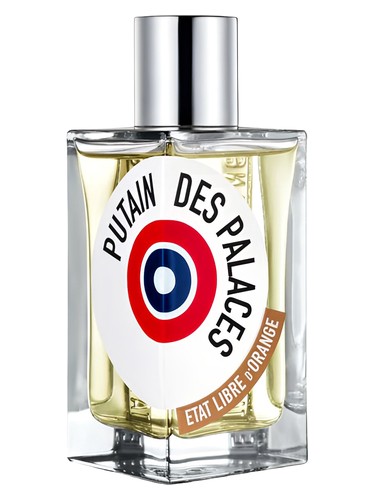
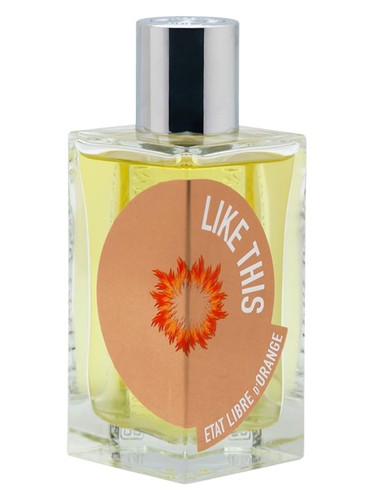
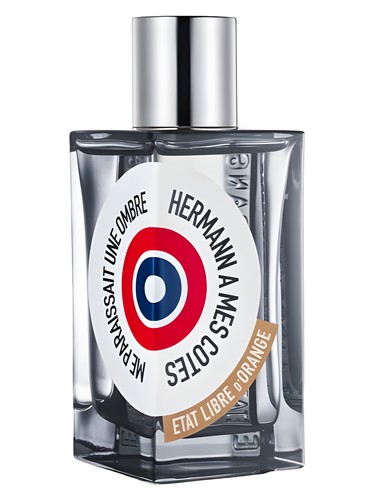
Within the brand''s own lineup, it shares DNA with Hermann à mes Côtés me Paraissait une Ombre and Spice Must Flow—both fragrances that explore spice in unconventional ways. The comparison to Bois Impérial by Essential Parfums highlights the woody backbone, while Exit The King suggests shared rose-oud territory. What sets Experimentum Crucis apart is that unusual fruity opening and the particular way cumin colors the entire composition.
The Bottom Line
Experimentum Crucis is proof that Etat Libre d''Orange still knows how to experiment with purpose. It''s not weird for weirdness''s sake; it''s a thoughtfully constructed take on rose that uses unexpected elements to create something genuinely distinctive. The rating reflects what it is: a very good fragrance with a specific point of view, not a safe masterpiece.
If you love Portrait of a Lady but wish it had more fruit, if you''re intrigued by cumin but want it embedded in something wearable, or if you simply want a rose perfume that refuses to play by the rules, this deserves a test. Give it time on your skin—that opening cumin mellows, and what remains is a sophisticated, woody rose with real character. Just maybe not in July.
KI-generierte redaktionelle Rezension