First Impressions
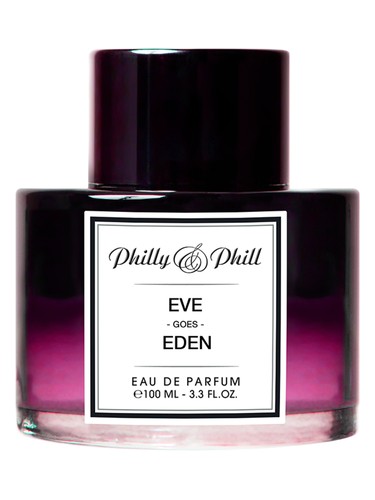
The moment Eve Goes Eden touches skin, you realize this isn't the garden paradise its name suggests—it's something far more complex and decidedly more rebellious. The opening spray delivers a jolt of tart cherry tempered by bergamot's citrus brightness, but within seconds, something darker lurks beneath. This isn't the candied, syrupy cherry of dessert fragrances; it's the kind you'd find fermenting in oak barrels, shadowed by the unmistakable presence of well-worn leather. Philly&Phill has crafted what can only be described as a beautiful contradiction: fruit meets hide, innocence encounters experience, and the result is utterly captivating.
The Scent Profile
Those opening notes of cherry and bergamot establish the fragrance's duality from the start. The cherry—which registers at 72% in the accord profile—brings a bright, slightly tart fruitiness that could easily veer into cloying territory if left unchecked. But the bergamot acts as a citrus counterbalance, adding just enough sharp freshness to keep things interesting. This opening act is brief but memorable, setting the stage for what's really remarkable about this composition.
The heart reveals the fragrance's true character. Leather dominates completely—and the data doesn't lie, clocking in at 100% as the primary accord. But this isn't brutish or overwhelmingly animalic leather. Instead, it's refined and supple, woven through with violet in a combination that shouldn't work but absolutely does. The violet adds an almost powdery (38% accord), slightly metallic facet that softens the leather's edges while maintaining sophistication. This interplay between the floral and the hide creates a tension that keeps you returning to your wrist throughout the wear.
The base is where Eve Goes Eden reveals its smoky, woody backbone. Patchouli and birch form the foundation—the birch particularly responsible for that 45% smoky accord that gives the fragrance its campfire-like depth. The woody notes (44% accord) emerge gradually, grounding the composition with earthy, almost resinous qualities. The patchouli here isn't the head-shop variety; it's clean and integrated, adding body without overwhelming the delicate balance established earlier. As the fragrance dries down over several hours, these base notes meld with lingering traces of leather and violet into something cohesive and surprisingly comforting.
Character & Occasion
The community data reveals Eve Goes Eden as decidedly cool-weather oriented, and wearing it confirms why. This is a fragrance that thrives in fall (100%) and winter (67%), when its leather-smoke combination feels most at home against crisp air and cozy sweaters. Spring (65%) can work, particularly during cooler months or evening occasions, but summer (31%) seems to overwhelm its nuances—the heat amplifies the leather in ways that can feel heavy.
Interestingly, the day/night split shows versatility: 74% for day wear versus 51% for night. This makes sense once you've lived with the fragrance. The cherry-violet elements keep it approachable and office-appropriate during daylight hours—sophisticated but not intimidating. Yet it has enough depth and smokiness to transition seamlessly into evening, where dim lighting and dinner conversation allow its more complex facets to shine.
This is decidedly marketed as feminine, but the leather-dominant profile will appeal to anyone who appreciates gender-blurring compositions. It's for the person who finds traditional florals boring, who wants fruit without sweetness, who understands that leather and violet can be the most elegant pairing imaginable.
Community Verdict
With a rating of 3.72 out of 5 from 360 votes, Eve Goes Eden sits firmly in "very good" territory—not a masterpiece that inspires universal worship, but a compelling composition that has clearly found its audience. This rating suggests a fragrance with personality, one that doesn't play it safe. The substantial vote count (360 reviews) indicates genuine community engagement, not just a handful of early adopters skewing perception.
The rating feels fair. This isn't a crowdpleaser designed for mass appeal, and that's precisely its strength. Those who connect with its leather-cherry core seem genuinely enthusiastic, while others may find the combination too unconventional or the leather too dominant. It's a fragrance that demands a test wear, not a blind buy.
How It Compares
The listed similarities are telling. Bibliothèque by Byredo shares that refined leather-meets-unexpected-note DNA. Lost Cherry by Tom Ford is an obvious comparison given the cherry note, though Tom Ford's version skews sweeter and more overtly luxurious. The Amouage references—Interlude Woman and Memoir Woman—suggest Eve Goes Eden plays in a more niche, complex space than typical commercial releases. Khaltat Night by Attar Collection rounds out the list, pointing to shared oriental and smoky characteristics.
Where Eve Goes Eden distinguishes itself is in restraint. It doesn't try to pummel you with luxury or intensity. Instead, it offers a more wearable, approachable take on the leather-fruit genre without sacrificing sophistication. It's less demanding than the Amouages, less sweet than Lost Cherry, more adventurous than Bibliothèque.
The Bottom Line
Eve Goes Eden is a fragrance for those ready to explore beyond the obvious. At 3.72/5, it represents solid quality with distinctive character—not perfect, but memorable. The leather-cherry combination won't appeal to everyone, and that's exactly why it should appeal to you if you're tired of safe choices.
The concentration being unknown is a minor frustration for technical perfume lovers, but performance seems adequate based on the complexity of the base notes. For fall and winter wardrobes, particularly if you lean toward day wear that can transition to evening, this deserves a spot on your testing list. It's sophisticated without being unapproachable, unusual without being unwearable, and confidently feminine without excluding anyone who appreciates well-crafted leather compositions.
Try before you buy, but definitely try.
KI-generierte redaktionelle Rezension