First Impressions
The first spray of Eau de Couture announces itself with a contradiction that perfectly captures its essence: a fruit basket colliding with a haute couture runway. Mandarin orange, passionfruit, watermelon, and green apple create an opening that could easily veer into juice-bar territory, yet something holds it back from that precipice. There''s a sophistication lurking beneath the fruit salad—a whisper of what''s to come that suggests this 2008 release was Juicy Couture''s attempt to prove they could do more than velour tracksuits translated into fragrance form.
That initial burst is cheerful without being cloying, fresh without feeling synthetic. The watermelon note, often a red flag in perfumery, stays mercifully restrained here, while the passionfruit adds a tropical warmth that prevents the composition from reading as purely green or citrus-forward. It''s the olfactory equivalent of slipping into something expensive while still keeping your personality intact.
The Scent Profile
The evolution of Eau de Couture reveals its true ambitions. Those fruity top notes—bright and inviting—serve merely as an introduction to the fragrance''s real star: an opulent white floral heart that dominates the composition at 100% according to community accord data, with tuberose commanding a striking 71% presence.
When tuberose, lily, and rose emerge in the heart, the transformation is dramatic. Tuberose brings its characteristic creamy, almost narcotic intensity, but it''s tempered by the lighter, more aqueous lily and the classic elegance of rose. This isn''t the aggressive, indolic tuberose of vintage perfumes; it''s been softened and modernized, made wearable for daytime without losing its inherent drama. The white floral accord here walks a tightrope between power and approachability.
The dry-down reveals where Eau de Couture truly distinguishes itself from its brand siblings. Woody notes provide structure (registering at 39% in the accord profile), while caramel and vanilla add a gourmand sweetness that never quite tips into dessert territory. Patchouli anchors everything with an earthy depth and contributes to that notable 30% animalic accord—unexpected in what could have been merely a pretty, safe fragrance. This base gives Eau de Couture its longevity and its complexity, transforming it from a simple white floral into something with genuine dimension.
Character & Occasion
The community data tells a story of versatility that the fragrance delivers on. With equal favor in spring (71%) and fall (68%), Eau de Couture proves itself a transitional season champion. The white florals shine in spring''s warmth, while those woody, vanilla-caramel base notes find their footing when temperatures drop. Winter (54%) and summer (50%) both work, though with caveats—the tuberose might feel heavy in extreme heat, and the fruity opening could seem incongruous in deep winter.
This is definitively a daytime fragrance (100%), though its 62% night-time rating suggests it can handle evening occasions when the setting isn''t too formal. Picture it at brunch, garden parties, daytime weddings, or as your signature office scent when you want to project competence with warmth. The white floral dominance gives it presence without aggression; you''ll be noticed, but not announced.
The profile suggests a wearer who appreciates femininity without frills, someone who might have initially dismissed Juicy Couture based on brand perception but finds themselves surprised by the sophistication here. It''s for those who want a white floral that doesn''t require an evening gown to justify its existence.
Community Verdict
With a rating of 3.97 out of 5 from 525 votes, Eau de Couture sits comfortably in "well-liked" territory. This isn''t a polarizing fragrance that inspires passionate devotion or vehement hatred—instead, it''s earned a solid reputation as a reliable, quality composition that exceeds expectations for its brand positioning.
That rating reflects a fragrance that does what it promises well, without necessarily breaking new ground. The vote count suggests a respectable following, though not the cult status of some contemporaries. For a 2008 release that''s now well into its second decade, maintaining engagement from over 500 reviewers speaks to its continued relevance and accessibility.
How It Compares
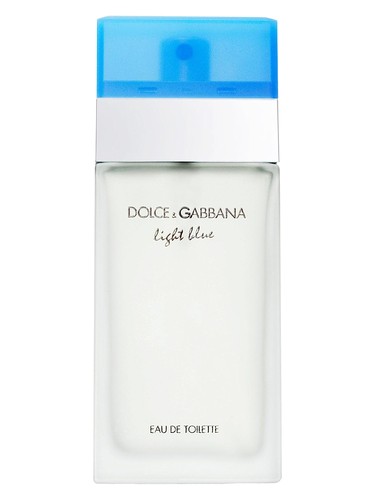
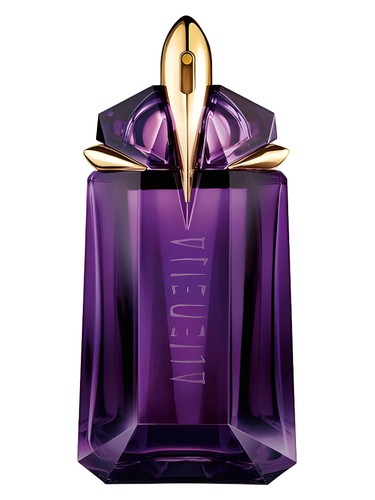
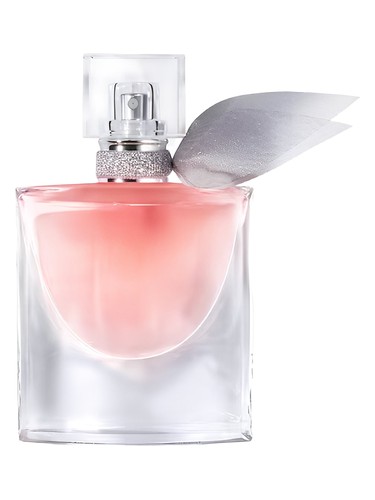
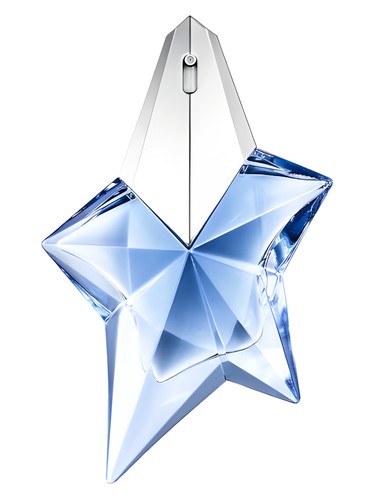
The listed similar fragrances paint an interesting picture. Positioned among brand siblings like the original Juicy Couture, Couture Couture, and Viva la Juicy, Eau de Couture distinguishes itself through that prominent tuberose-led white floral structure. While its sisters lean more heavily into fruits and candy sweetness, this composition shows restraint and sophistication.
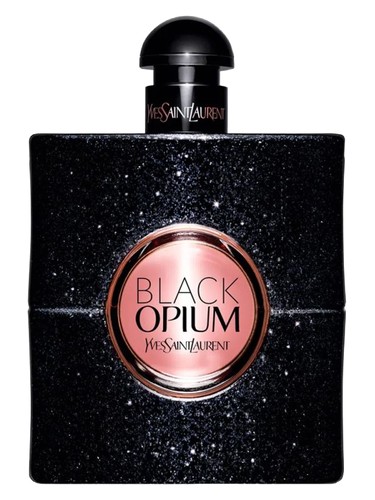
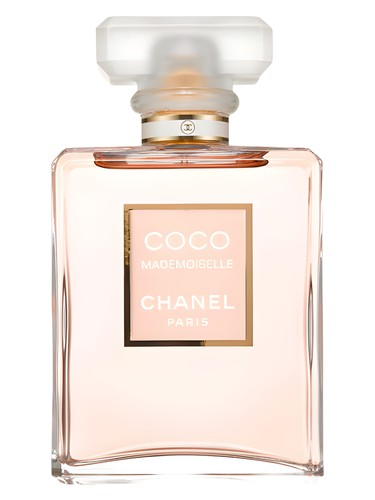
More telling are the comparisons to Pure Poison and J''adore by Dior. These luxury powerhouses traffic in similar white floral territory, which positions Eau de Couture as an accessible alternative to prestige perfumery. It won''t replace J''adore for die-hard fans, but for those seeking that general aesthetic without the department store price tag, it presents a compelling case.
The Bottom Line
Eau de Couture represents Juicy Couture at its most refined—a white floral fragrance with genuine character and wearability. That tuberose heart, supported by woody and subtly animalic base notes, elevates this beyond what you might expect from the brand. The fruity opening could be dismissed as typical early-2000s excess, but in context, it serves as an accessible entry point to the more sophisticated composition beneath.
At 3.97 out of 5, the community has spoken: this is a good fragrance worth exploring, particularly if you''re drawn to white florals but intimidated by their often heavy-handed execution. It''s approachable without being simple, feminine without being saccharine, and versatile enough to earn its place in a rotation.
For those willing to look past brand preconceptions, Eau de Couture offers quality composition at an accessible price point. Try it if you love tuberose but want daytime wearability, if you''re curious about white florals without committing to prestige pricing, or if you simply want a well-crafted fragrance that performs reliably across seasons. Sometimes sophistication comes from unexpected places.
KI-generierte redaktionelle Rezension